Non-Existent Animal Interpretation: How Psychologists Understand Symbolic Drawings
/https://freudly.ai/media/pages/images/94190364-d1ef-4606-9cf8-53f8395ab259.png "Non-Existent Animal Interpretation: How Psychologists Understand Symbolic Drawings")
Many people feel a mix of curiosity and uncertainty the first time they hear about symbolic drawing tests. In psychology, non-existent animal interpretation is a projective technique that helps explore emotional themes, problem-solving styles, and how a person organizes their inner world. It isn’t a diagnostic tool, and it can’t label anyone with a condition, but it can offer a gentle doorway into understanding how someone expresses themselves on paper.
The idea is simple: when you’re asked to draw an animal that doesn’t exist, your mind pulls from imagination, memory, and emotion at the same time. The drawing becomes a blend of creativity and instinct, revealing patterns that can be useful to discuss in a clinical interview. A licensed psychologist may look at elements like movement, size, orientation, or features not to judge, but to understand how you perceive challenges, boundaries, or safety.
In this guide, you’ll learn how psychologists use this projective method, what different drawing elements may reflect, and when it might help to talk with a therapist about your reactions. You’ll also see how this test fits alongside other projective techniques used in the United States and how to approach the conversation with a licensed clinician if you have questions.
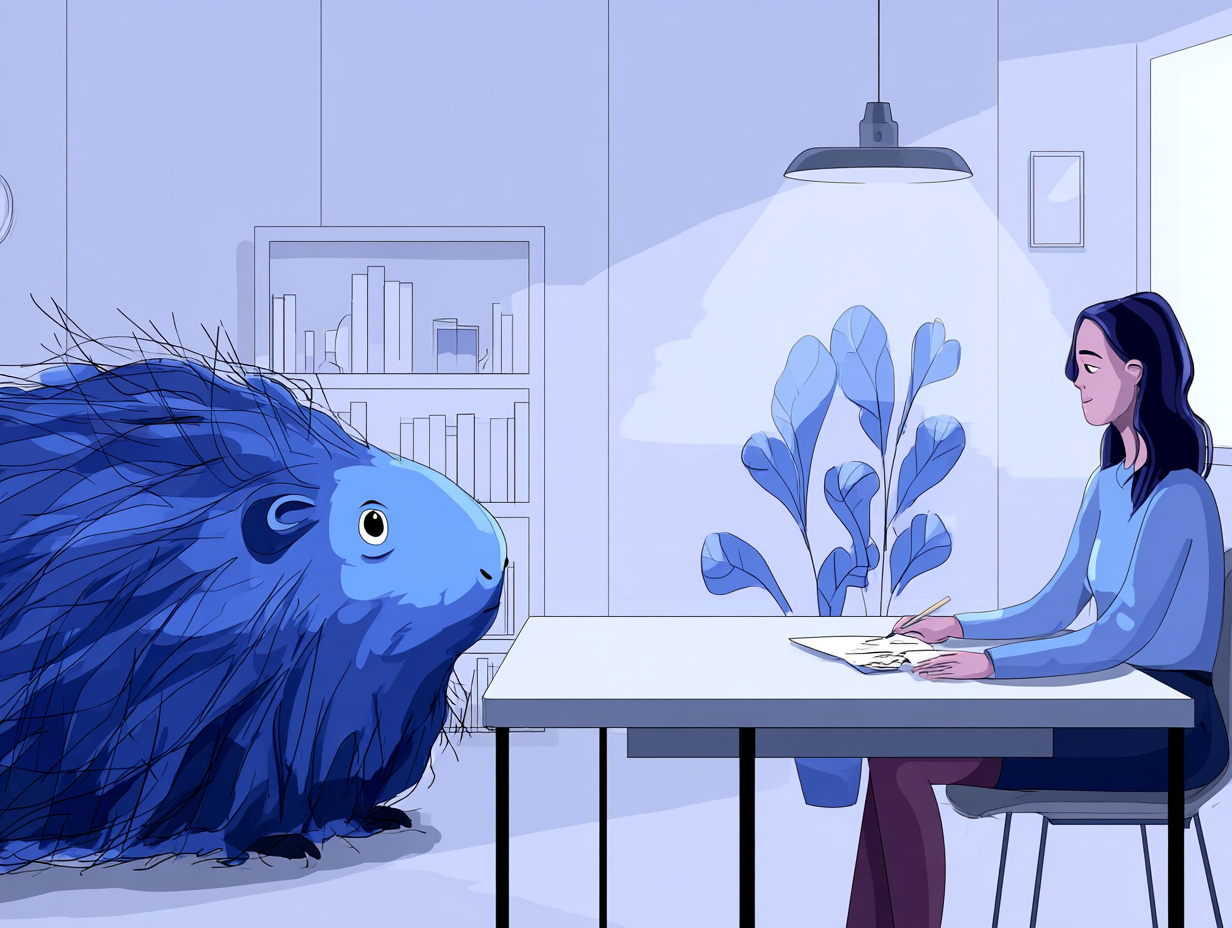
What Is the Non-Existent Animal Test and Why Do Psychologists Use It?
The non-existent animal test is a projective drawing task that invites a person to create an imaginary creature from scratch. Because the animal does not exist in reality, the mind can’t rely on fixed templates. Instead, the drawing reflects a spontaneous mix of imagination, emotion, and personal meaning. For psychologists, this offers a small window into how someone organizes their thoughts, relates to unfamiliar situations, and expresses internal themes symbolically.
The Projective Foundation
Projective techniques are based on the idea that people naturally express parts of their inner world through creative tasks. When someone draws an imaginary creature, they’re not following a script - they’re responding with instinct, preference, and emotional tone. Psychologists use this freedom to observe how a person approaches ambiguity, structure, and control. This doesn’t reveal pathology; it highlights tendencies that can be explored safely in conversation.
The non-existent animal test is often used alongside interviews or standardized tools. In US clinical practice, projective tasks function as supplementary material, helping clinicians understand how a person experiences themselves and their environment. As Harvard Health and other academic centers note in their assessment guidelines, symbolic tasks can help uncover emotional themes that may not appear in direct questioning.
How Symbolic Drawing Supports Emotional Insight
Symbolic drawings can highlight how someone approaches challenges or represents safety, danger, or autonomy. For instance, an animal facing forward may indicate readiness or vigilance, while one facing away may reflect avoidance or hesitation. The placement of the creature on the page can suggest how a person positions themselves in relation to their surroundings.
Here’s the thing: these interpretations are not conclusions. They are starting points - prompts that help a psychologist ask more meaningful questions. For example, a creature with exaggerated armor might lead to a conversation about feeling overprotected or guarded, while a tiny, delicate creature might open discussion about vulnerability. Each detail is viewed in context, not in isolation.
Projective drawings do especially well at revealing emotional tone. Some people draw lively, dynamic animals, while others create rigid, mechanical ones. Some choose soft features, others sharp ones. These choices aren’t right or wrong. They simply help illustrate the person’s relationship to energy, boundaries, and self-expression.
What This Test Cannot Diagnose
Despite popular belief, no projective drawing - including a non-existent animal - can diagnose a mental health condition. It cannot determine anxiety, trauma, personality disorders, or any clinical label. Psychologists in the US rely on multi-method assessment, which includes interviews, standardized tools, and collaborative discussion.
The drawing is never interpreted as evidence of a disorder. Instead, it highlights patterns that can be explored in a supportive, nonjudgmental way. This distinction is central to ethical practice endorsed by the American Psychological Association and reflected in modern assessment training programs.
How Psychologists Interpret a Non-Existent Animal Drawing
When a person sketches an imaginary creature, they reveal a blend of creativity, emotional tone, and instinctive choices. Psychologists don’t search for hidden codes or rigid meanings. Instead, they look at how the drawing expresses themes that can support a thoughtful clinical conversation. The goal is not to judge, label, or diagnose, but to understand how someone organizes their inner and outer world through symbolic form.
Structure, Shape, and Movement Direction
One of the first things psychologists notice is the overall structure. A creature drawn with a clear, balanced shape may reflect a preference for order or predictability, while one with unpredictable proportions may suggest flexible thinking or emotional looseness. Neither approach is “good” or “bad”; it simply points to how a person tends to manage ambiguity.
Movement direction can also offer insight. A creature facing right may suggest forward movement or task orientation, while a creature oriented left sometimes reflects reflection, rumination, or caution. When an animal faces forward, the stance can suggest preparedness or vigilance. These themes become meaningful only when integrated with the person’s story - they never stand alone.
The energy of the drawing matters, too. A poised, symmetrical form may reflect control or careful planning. A dynamic, tilted shape may suggest spontaneity or emotional momentum. Psychologists use these observations to craft questions rather than conclusions.
Body Features and Symbolic Additions
Imaginary creatures often include wings, horns, claws, shields, extra limbs, or fantastical armor. These details don’t “mean” something automatically, but they may highlight emotional motifs worth exploring.
- Wings can reflect a wish for freedom or mobility.
- Armor or spikes may indicate themes of protection or defensiveness.
- Oversized limbs may point to a focus on action or competence.
- Tiny or fragile features may reflect vulnerability or self-doubt.
Psychologists interpret these choices by asking, “What does this feature do for the creature?” The answer can open a gentle conversation about how the person approaches strength, safety, boundaries, or identity.
Sometimes, people include symbolic additions like tools, weapons, or expressive facial features. A tool might suggest problem-solving. A weapon might reflect fear, not aggression. A smiling face may imply approachability, while a blank expression could suggest emotional reserve. Again, context and conversation guide the meaning.
Size, Orientation, and Use of Space
Where the creature sits on the page can offer clues about how someone positions themselves in their environment. A drawing placed at the top may hint at aspiration or distance. A drawing at the bottom may suggest grounding or heaviness. A creature centered on the page often reflects stability or balance.
Size also matters. A large creature might express confidence, intensity, or a need for visibility. A very small creature could reflect modesty, caution, or a sense of limitation. US clinicians emphasize that these are themes, not diagnoses. The drawing expands the discussion rather than replacing it.
Orientation - forward, backward, upward, or downward - adds nuance. Upward imagery may connect with ambition or fantasy; downward imagery may relate to caution or introspection. Some drawings spread wide across the page, suggesting expansiveness or restlessness.
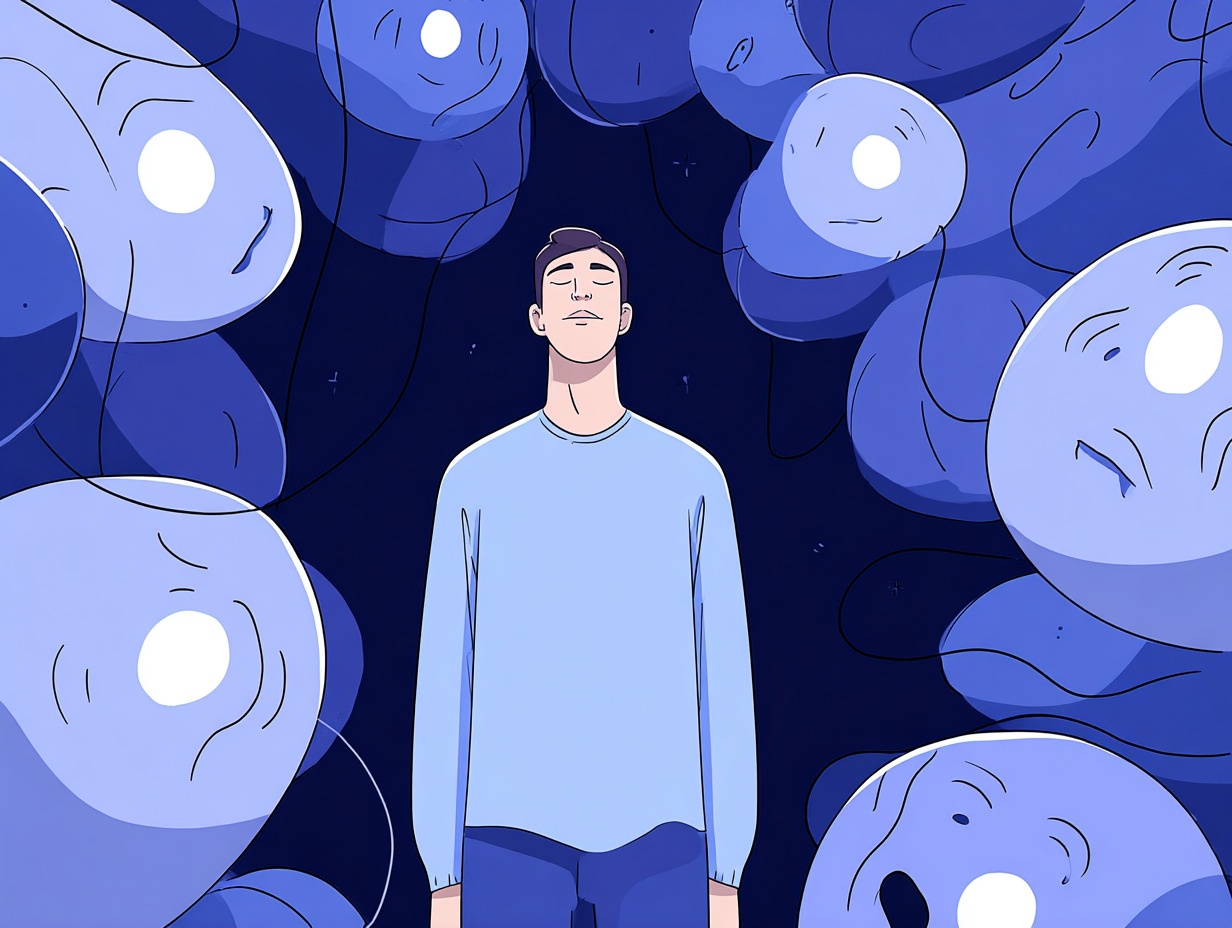
Integrating Observations Into a Clinical Interview
Here’s the interesting part: interpretation does not happen on the page alone. Psychologists fold these visual observations into a collaborative interview. They may ask:
- “What does this creature do?”
- “What environment does it live in?”
- “Which part was easiest or hardest to draw?”
- “How does it protect itself or move through its world?”
These questions create a space where the person can talk about themes that matter to them - autonomy, fear, responsibility, creativity, conflict, or resilience. The drawing becomes a starting point for insight, not a final answer. In US practice, this collaborative approach aligns with APA guidelines on transparency, informed consent, and shared meaning-making.
What Different Drawing Elements May Suggest (Without Diagnosing)
A non-existent animal drawing can highlight themes related to emotion, behavior, and self-perception, but it cannot diagnose any mental health condition. Psychologists in the United States use these symbolic cues as conversation starters that help clarify how a person experiences themselves and the world. Each element is viewed within context - the person’s history, cultural background, and emotional state at the moment of drawing.
Themes of Protection, Fear, or Confidence
Sometimes, the features added to an imaginary animal point toward how someone thinks about safety or strength. Protective elements like armor, shells, or spikes may reflect a desire to stay guarded, especially if someone feels overwhelmed or insecure. On the other hand, creatures with open, soft features may express trust, playfulness, or a tendency to approach situations directly.
The emotional tone can also show up in posture. Animals drawn in defensive stances, crouched positions, or with exaggerated alertness may highlight worry or internal tension. Upright, expansive postures may lean toward confidence or readiness. These interpretations are never taken at face value; they guide gentle clinical inquiry.
Cognitive and Emotional Patterns in Symbolic Form
The way a creature is put together often says something about how a person thinks and solves problems. A drawing packed with tiny details or perfectly balanced features can point to someone who likes structure and clarity. A looser, more playful sketch may show a mind that moves quickly, shifts gears easily, or enjoys bending the rules a bit. Some creatures look almost machine-like, others feel soft and alive. Some cling to the ground, others float or soar. Each version opens a slightly different window into someone’s style of thinking, creating, and managing emotion.
These symbolic choices often brush up against bigger themes - independence, tension, hope, pressure, or endurance. Extra limbs might hint at juggling too many responsibilities. Wings can nod to the desire to escape, aim higher, or simply breathe more freely. Heavy armor or thick skin may point toward self-protection, while small, delicate bodies sometimes echo uncertainty or emotional tenderness.
These themes cannot be interpreted without dialogue. A psychologist may ask, “What part of this creature stands out to you most?” or “How does this creature survive in its world?” The person’s response provides meaning beyond what the drawing alone can offer.
Table: Common Elements and Possible Psychological Themes
(Used as a discussion tool, never as a diagnostic chart.)
| Drawing Element | Possible Psychological Theme | When Clinicians Explore Further |
|---|---|---|
| Large body or wide posture | Confidence, intensity, need for visibility | When the person reports overwhelm or pressure |
| Very small or compressed creature | Caution, modesty, self-limiting beliefs | When paired with statements of helplessness |
| Armor, spikes, or protective shell | Guarding, defensiveness, fear of harm | When emotional avoidance is evident in conversation |
| Wings or floating movement | Aspiration, escape, fantasy, flexibility | When discussing goals or coping with stress |
| Multiple limbs or tools | Feeling overextended, striving, resourcefulness | When the person describes burnout or responsibility overload |
| Tilted, unstable stance | Tension, imbalance, emotional momentum | When instability in daily functioning is mentioned |
| Blank or minimal face | Emotional reserve, privacy, self-containment | When the person struggles to express feelings |
Projective tests gain meaning only when paired with personal narrative. If a person feels frightened, confused, or emotionally activated by their drawing, that becomes a clinically meaningful part of the conversation. Psychologists integrate these moments with kindness and care, following APA ethics on collaborative meaning-making.
When Does a Non-Existent Animal Drawing Suggest a Need to See a Therapist?
A non-existent animal drawing is not a diagnostic tool, but it can highlight emotional themes that feel heavy, confusing, or difficult to talk about. In US clinical practice, psychologists look not at the picture alone, but at the person’s reaction to creating it. When someone feels overwhelmed, distressed, or shaken by what they drew, that emotional response may deserve gentle attention. The drawing becomes a signal to pause, reflect, and consider additional support.
When Emotional Themes Become Overwhelming
Some people finish the drawing and immediately sense discomfort. They may feel unsettled by the creature’s appearance or surprised by the intensity of what came out on the page. A drawing with heavy fear-based or violent imagery does not automatically indicate danger - many people channel anxiety symbolically - but it may be worth exploring why those themes surfaced.
If the drawing reflects persistent tension, hopelessness, or emotional exhaustion, a psychologist may encourage a deeper conversation. The focus is never on judging the art; it’s on understanding the emotions behind it.

Distress During or After the Drawing Task
Sometimes, it’s the process, not the image, that signals a need for support. People may feel frustrated, stuck, or overly self-critical while drawing. Others report sadness, numbness, or racing thoughts. If creating the creature brings up strong emotions that linger afterward, this may be a meaningful sign that talking to a licensed clinician could help.
In US settings, psychologists pay attention to:
- difficulty starting or completing the drawing;
- intense anxiety or shame during the task;
- emotional shutdown or withdrawal afterward;
- statements of hopelessness or feeling “broken”;
- fear of what the drawing might “reveal.”
These reactions are treated with care, not alarm. They simply guide the next steps in support.
US Crisis Guidance (988, 911)
If the drawing includes explicit self-harm themes, or if someone expresses thoughts of not wanting to live, clinicians take this seriously. Emotional content in art does not diagnose risk, but it does open the door for a conversation about safety.
Here’s an important reminder for anyone in the United States:
- Call or text 988 to reach the Suicide & Crisis Lifeline anytime.
- If there is immediate danger, call 911.
These resources are confidential, available 24/7, and designed to support people in moments of emotional pain.
In most situations, a non-existent animal drawing simply becomes a tool for reflection. But when it stirs strong reactions, reaching out to a therapist can bring clarity, relief, and grounding.
How This Test Fits with Other Projective Methods
Projective techniques have a long history in psychological assessment, especially in contexts where direct questions may not capture the full emotional picture. The non-existent animal test is one of the simplest and most flexible tools in this family. It asks for imagination without constraints, making it easier for many people to participate without feeling exposed or evaluated. In US clinical settings, this method is often paired with other projective approaches to create a fuller, more nuanced understanding of a person’s inner world.
Similarities and Differences
The non-existent animal task shares some conceptual ground with well-known projective methods - such as the Rorschach Inkblot Test, the Thematic Apperception Test (TAT), and the House-Tree-Person (HTP) drawing. All these tools rely on open responses and symbolic expression. However, they differ in structure, purpose, and how much interpretation is required.
For example:
- Rorschach invites interpretation of ambiguous shapes and is tightly governed by scoring systems.
- TAT asks people to create stories about pictures, revealing themes in narrative form.
- HTP explores how someone represents basic elements of daily life and self-concept.
- The non-existent animal test, by contrast, removes all real-world constraints and asks the person to invent a creature entirely from imagination.
This freedom makes the task especially useful for exploring themes of agency, creativity, and emotional tone without the pressure of “getting it right.” It’s also less structured than other projective tools, which means psychologists rely heavily on conversation, context, and the person’s own meaning-making.
Why Clinicians Combine Methods in the US
In modern US practice, assessment follows a multi-method, collaborative model. Psychologists rarely rely on one tool alone - especially not a projective task - because each method highlights different aspects of functioning. A clinician may combine:
- a standardized mood or anxiety measure;
- a clinical interview;
- an observation-based task;
- and one or two projective elements, such as the non-existent animal drawing.
This approach helps ensure that interpretations are grounded in evidence, not assumptions. It also aligns with guidelines from the American Psychological Association, which emphasize transparency, informed consent, and integrating multiple data sources for accurate understanding.
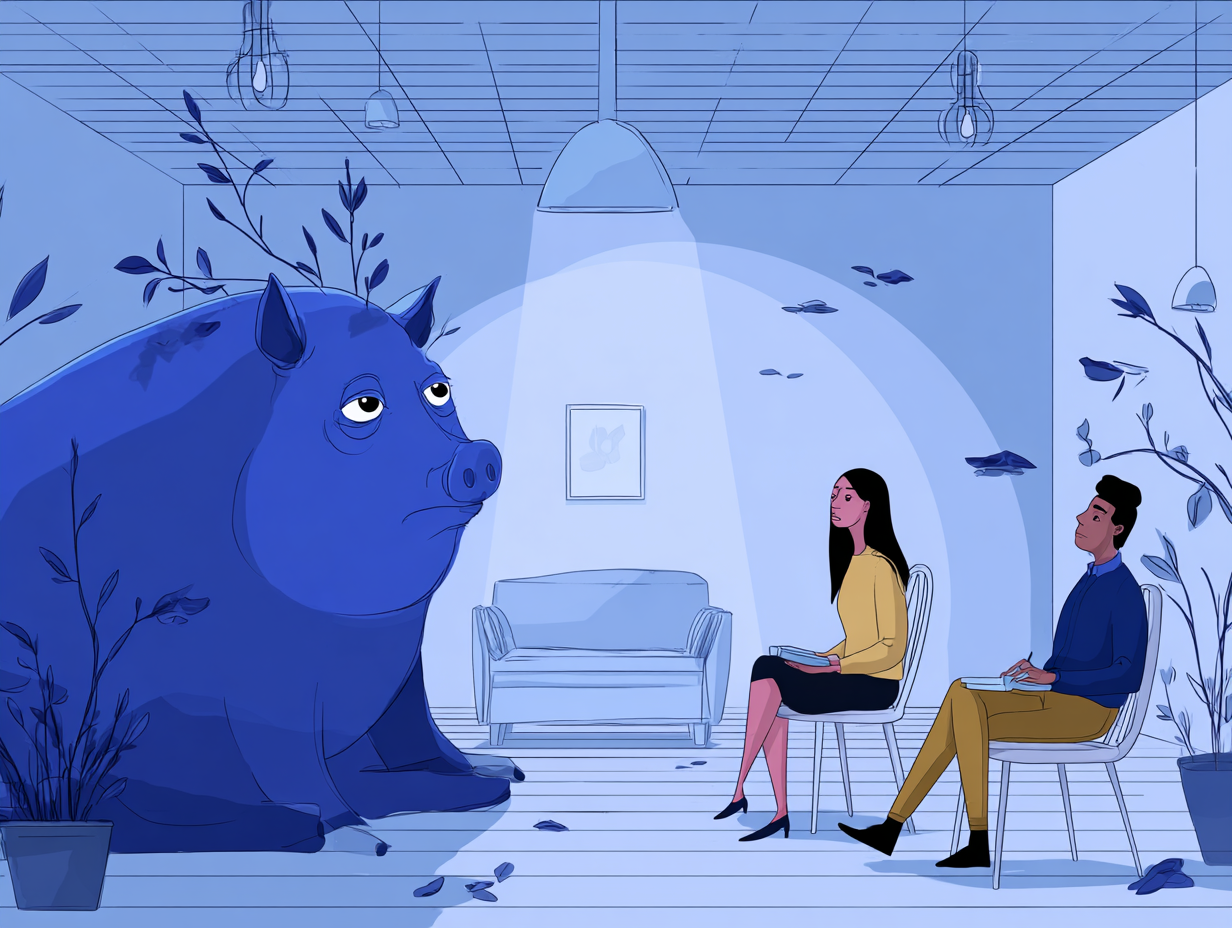
Here’s the key idea: projective drawings are starting points, not verdicts. They help reveal emotional patterns that people may not express directly, but they gain meaning only when woven together with dialogue, history, and standardized assessment tools. When used thoughtfully, they offer a humane, creative way to explore a person’s experience - not a test that judges or labels them.
How to Talk With a Psychologist About Your Drawing
Discussing a symbolic drawing can feel vulnerable, especially when the image is unusual, intense, or emotionally charged. In US clinical settings, psychologists understand that creative tasks often bring up mixed feelings. Their role is to help you explore those reactions with clarity and compassion, not to judge the artwork itself. A conversation about a non-existent animal drawing is collaborative - your perspective matters as much as the clinician’s observations.
Questions You Can Ask a Licensed Clinician
Many people aren’t sure where to begin when discussing a symbolic drawing. Starting with simple, open questions helps create a shared understanding. You might ask:
- “What stood out to you in my drawing?”
- “How do you usually interpret symbolic details like size or movement?”
- “Can you explain how this drawing fits into the larger assessment?”
- “Is there anything here that would be helpful for us to explore together?”
These questions keep the process transparent and grounded. They also reinforce that the drawing is just one part of your story - not a self-contained judgment.
Some people prefer to share how the drawing made them feel: calm, uneasy, playful, surprised. Talking about your emotional response offers valuable context and helps your psychologist understand what the image represents for you personally.
What Collaboration Looks Like in US Practice
US clinicians are trained to integrate projective material with other forms of assessment. This means they’ll typically combine the drawing with interview questions, standardized tools, or real-life examples. The goal isn’t to “decode” the creature but to understand how the themes in the drawing relate to your lived experience.
Here’s the thing: your interpretation matters as much as the psychologist’s. If you’re confused by a specific element - a weapon, a wing, a strange expression - you can simply ask, “How would you understand this?” or “Why do you think I drew it this way?” The clinician will usually respond with curiosity rather than certainty.
If something in the drawing worries you, it’s okay to say so. Psychologists expect these reactions and handle them gently. In many cases, a conversation about the drawing leads to insights about stress, boundaries, self-expression, or resilience. It’s a dialogue, not an evaluation.
Ultimately, talking about your drawing is a chance to make sense of your own symbolic language. A skilled clinician helps connect the dots, but the meaning unfolds through collaboration - grounded in transparency, professionalism, and care.
References
1. American Psychological Association. Projective Methods in Psychological Assessment. 2004.
2. National Institute of Mental Health (NIMH). Mental Health Topics. 2023.
3. Mayo Clinic. Psychological Evaluation Overview. 2023.
4. Substance Abuse and Mental Health Services Administration (SAMHSA). Behavioral Health Resources. 2022.
5. APA Services. Assessment and Professional Practice Guidelines. 2023.
Conclusion
A non-existent animal drawing offers a rare chance to express imagination and emotion without rules. Instead of diagnosing or labeling, psychologists use this projective technique to spark conversations that help clarify how a person experiences their inner world. The drawing becomes a bridge - connecting creative expression with deeper insight.
If your creature brought up strong feelings, or if you’re unsure how to understand your reaction, talking with a licensed therapist can help you make sense of those emotions in a supportive, judgment-free space. And if you ever feel unsafe or overwhelmed, remember that help is available: call or text 988, or 911 in an immediate emergency.
Frequently Asked Questions
Is the non-existent animal test a real psychological tool?
Yes. It is a projective drawing technique used in some assessments and therapeutic settings. It is not diagnostic on its own, but it can highlight emotional themes and support a conversation with a psychologist.
Does my drawing mean something is wrong with me?
No. A single drawing cannot diagnose anything. Psychologists view projective images as starting points for discussion, not evidence of a disorder. Your emotional response to the drawing is often more important than the drawing itself.
How do psychologists interpret features like wings or armor?
They look at symbolic patterns - such as protection, movement, or vulnerability - and explore them through questions. Features like wings or armor do not have fixed meanings. Their significance emerges through conversation with a licensed clinician.
Should I see a therapist if my drawing bothered me?
If the drawing brought up strong emotions or left you feeling uneasy, a therapist can help you explore those reactions safely. If you ever feel at risk of harming yourself, call or text 988 in the U.S. or dial 911 if there is immediate danger.
Is this test similar to the Rorschach or TAT?
It belongs to the same family of projective methods, but it is simpler and less structured. Unlike Rorschach or TAT, the non-existent animal test relies entirely on personal imagination and has no pre-set scoring system.
Can children and adults both use this test?
Yes. The task is easily adaptable across ages. Children often approach it playfully, while adults may reflect more on symbolic meaning. In all cases, the drawing is interpreted collaboratively and never in a judgmental way.