No Emotional Connection With Husband: What It Means and How to Rebuild It

/https://cdn.freudly.ai/media/pages/images/0fcd87ff-cf85-4a2c-808a-dd820a1c6fb2.png)
Feeling emotionally distant in a marriage can be confusing and quietly painful. If you’re noticing no emotional connection with husband, it often means the sense of closeness, safety, and mutual understanding has weakened, not necessarily that the relationship is beyond repair. Many people experience periods where conversations feel flat, affection fades, or connection is replaced by routine.
At the same time, emotional disconnection usually develops for understandable reasons like stress, unresolved conflict, or shifting life roles. It’s not a personal failure, and it doesn’t automatically mean the relationship is over. What matters is how you understand it and what you do next.
In this guide, you’ll learn what emotional disconnection really means, why it happens, how to rebuild connection step by step, and when it may be time to seek professional support.
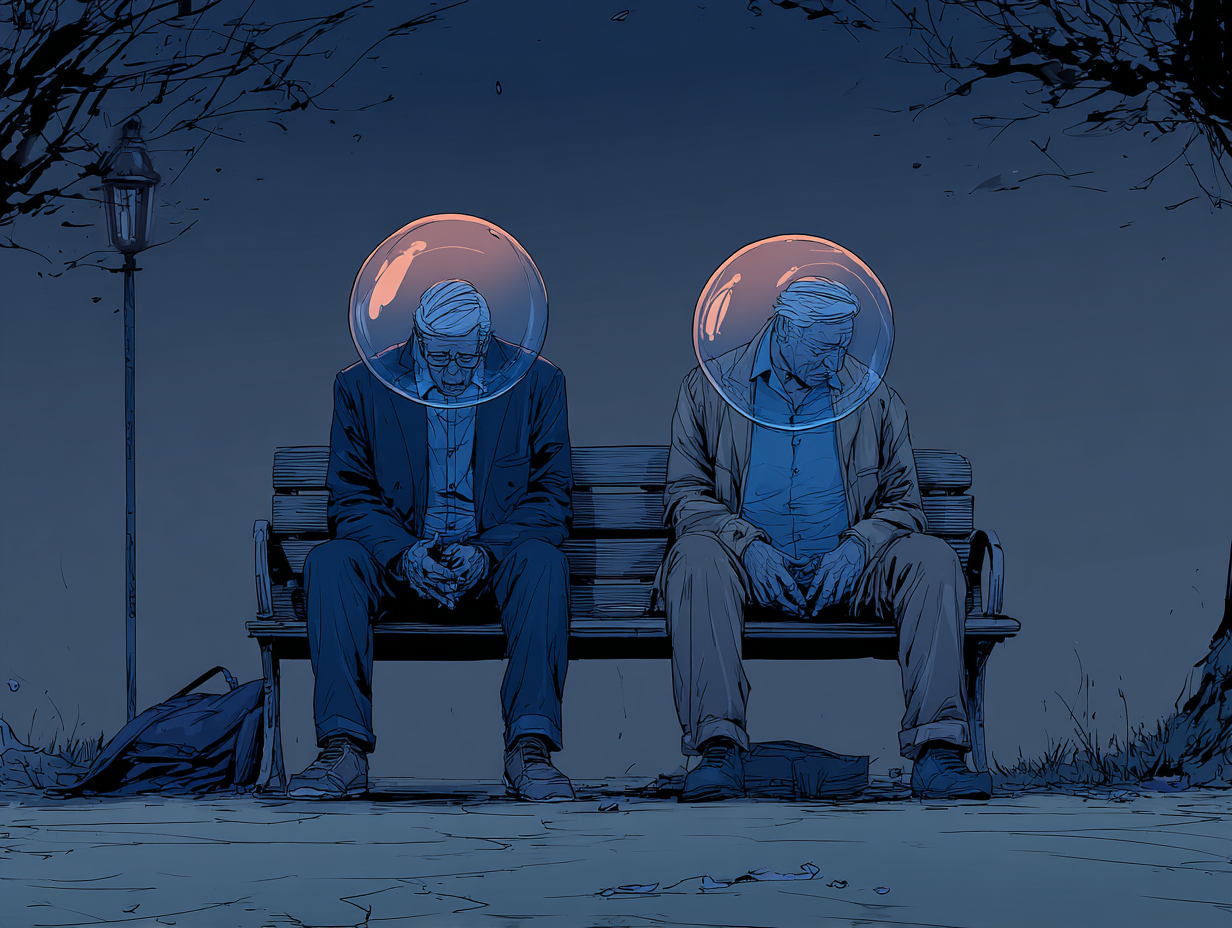
What Does “No Emotional Connection With Husband” Really Mean?
A lack of emotional connection usually means that the sense of closeness, trust, and emotional safety between partners has weakened. When people describe no emotional connection with husband, they’re often pointing to a shift from feeling understood and supported to feeling distant, unseen, or alone within the relationship.
This doesn’t always happen suddenly. In many cases, it develops gradually, almost unnoticed, until one day the relationship feels different.
Here’s how emotional disconnection often shows up in daily life:
- conversations stay on the surface, focused on logistics rather than feelings;
- sharing personal thoughts or vulnerabilities feels uncomfortable or pointless;
- physical closeness may decrease, or feel mechanical instead of meaningful;
- conflicts are avoided or repeated without resolution;
- you feel more like roommates than partners.
For example, imagine coming home after a stressful day and not wanting to share it with your partner because you expect indifference or misunderstanding. Over time, those small moments of not reaching out start to accumulate, creating a wider emotional gap.
Here’s the key point: emotional connection is not just about talking often. It’s about feeling emotionally safe enough to be open, and trusting that your partner will respond with empathy. When that safety weakens, even frequent communication can feel empty.
At the same time, experiencing emotional distance does not automatically mean the relationship is broken. Many long-term couples go through periods where connection fluctuates due to stress, life transitions, or unresolved tension.
The important question is not whether the connection has changed, but whether both partners are willing to understand and rebuild it.
Why Do You Feel No Emotional Connection With Husband?
Feeling emotionally disconnected rarely has a single cause. When someone experiences no emotional connection with husband, it is usually the result of several psychological and relational processes building over time.
Let’s break down the most common ones.
Emotional Safety Has Decreased
At the core of emotional connection is a sense of safety. This means feeling that you can express yourself without being dismissed, criticized, or ignored.
If past conversations led to arguments, shutdown, or indifference, your brain may start protecting you by holding back. Over time, this creates distance, even if both partners still care.
For example, if sharing feelings often turns into conflict, it becomes easier to stay silent. Silence then reinforces the emotional gap.
Attachment Patterns Shape Reactions
Attachment theory helps explain why partners respond differently to emotional closeness. In simple terms:
- people with anxious attachment may seek more closeness and reassurance;
- people with avoidant attachment may withdraw when emotions feel intense.
When these patterns interact, one partner may pursue connection while the other pulls away. This creates a cycle where both feel misunderstood, even though neither intends harm.
Stress and Life Load Reduce Connection
Here’s the thing: emotional connection requires mental and emotional energy. Chronic stress can quietly drain both.
Work pressure, parenting, financial concerns, or health issues can shift focus toward survival and routine. Conversations become functional instead of meaningful. Over time, the relationship starts to feel flat.
Imagine both partners ending the day exhausted, discussing only tasks and responsibilities. There’s little space left for emotional sharing.

Unresolved Conflicts Create Distance
Unresolved issues don’t disappear. They often turn into emotional barriers.
Even small repeated conflicts can lead to resentment or emotional withdrawal. Instead of addressing tension directly, partners may avoid sensitive topics, which reduces openness and trust.
Emotional Needs Are Not Recognized
Sometimes the issue is not conflict, but misalignment. One partner may need more verbal reassurance, while the other expresses care through actions.
If these differences are not understood, both may feel unappreciated. Over time, this creates the sense that “something is missing,” even when effort is present.
Here’s the key insight: emotional disconnection is usually a pattern, not a single event. Understanding that pattern is the first step toward changing it.
Is No Emotional Connection With Husband a Phase or a Serious Problem?
Experiencing no emotional connection with husband can feel alarming, but not every period of distance signals a permanent problem. In many relationships, emotional closeness naturally fluctuates over time.
The key is to understand whether what you’re experiencing is temporary or part of a deeper pattern.
When It May Be a Temporary Phase
Emotional distance often appears during periods of increased stress or transition.
For example:
a demanding work period, caring for young children, or major life changes can reduce emotional availability. During these times, partners may still care about each other but lack the energy to express it.
Signs it may be temporary:
- the relationship felt emotionally connected in the past;
- both partners still show care in small ways;
- there is willingness to reconnect;
- stressors are situational and time-limited.
In these cases, emotional connection can often return once pressure decreases and intentional effort is made.
When It May Be a Deeper Issue
Sometimes disconnection becomes chronic. Instead of coming and going, it stabilizes as the “new normal.” This may indicate deeper relational patterns that need attention.
Signs of a more serious problem:
- emotional distance has lasted for months or longer;
- attempts to reconnect are avoided or shut down;
- conversations feel consistently empty or tense;
- there is growing resentment, indifference, or emotional numbness.
Here, the issue is not just external stress, but how the relationship itself is functioning.
Disconnection vs. Falling Out of Love
These two experiences can feel similar, but they are not the same. Emotional disconnection often involves blocked access to feelings that may still be present underneath. Falling out of love, on the other hand, usually involves a more stable loss of emotional investment.
A useful question to ask yourself:
If the connection improved, would you want to stay?
If the answer is yes, the issue is likely disconnection, not absence of love. Here’s the important part: emotional distance is a signal, not a verdict. It tells you something in the relationship needs attention, not necessarily that it’s over.
How to Rebuild Emotional Connection With Your Husband
Rebuilding connection is possible in many cases, even if you’ve been feeling no emotional connection with husband for a while. The key is not to force closeness, but to gradually restore emotional safety and openness. Here’s what actually helps.
Start With Small, Low-Pressure Moments
Trying to “fix everything” in one conversation often backfires. Emotional connection grows through consistent, manageable interactions.
For example, instead of a heavy discussion, you might start by sharing one small personal thought or asking about your partner’s day in a more intentional way. The goal is to reintroduce emotional presence without pressure. Consistency matters more than intensity.
Shift From Blame to Curiosity
When connection is lost, it’s easy to focus on what the other person is doing wrong. That approach usually increases defensiveness and distance.
A more effective approach is curiosity.
Ask yourself: what might my partner be experiencing right now?
You can reflect that curiosity in communication:
“I’ve noticed we’ve been feeling distant, and I want to understand what this has been like for you.”
This reduces pressure and opens the door to a real conversation.

Express Needs Clearly and Specifically
Emotional needs often go unspoken or are expressed indirectly. Over time, this creates frustration on both sides.
Instead of general statements like “we’re not close anymore,” try something specific:
“I miss talking about how we feel, not just what we need to do.”
Clear communication helps your partner understand what connection actually looks like for you.
Reintroduce Emotional Rituals
Connection is built through repeated experiences, not single breakthroughs.
Simple shared habits can help restore emotional closeness:
- having a short daily check-in without distractions;
- sharing one positive or meaningful moment from the day;
- spending intentional time together without screens.
These rituals create predictable space for emotional interaction.
Address Avoidance Patterns
Here’s the thing: in many relationships, both partners are protecting themselves in different ways.
One may avoid conflict, the other may stop initiating. Over time, this mutual protection turns into distance.
Recognizing this pattern allows you to interrupt it. Even one partner choosing to respond differently can begin to shift the dynamic.
For instance, if you usually withdraw after a tense moment, staying engaged just a little longer can change the outcome of the interaction.
Accept That Reconnection Takes Time
Emotional distance doesn’t develop overnight, and it doesn’t disappear instantly.
There may be moments where attempts feel awkward or one-sided. That’s normal. What matters is persistence without pressure.
Consider this example: a couple who hasn’t had a meaningful conversation in months starts with brief daily check-ins. At first, responses are short. Over weeks, those conversations become more open. The connection returns gradually, not suddenly.
Here’s the key takeaway: rebuilding connection is less about saying the perfect thing and more about creating repeated opportunities for emotional presence.
When to Seek Help for No Emotional Connection With Husband
If you’ve been experiencing no emotional connection with husband for some time, it can be hard to know when to keep trying on your own and when to involve a professional. In many cases, support from a licensed clinician can help clarify what’s happening and guide the next steps.
Here are situations where seeking help is especially important.
Reconnection Efforts Aren’t Working
If you’ve tried to communicate, reconnect, or rebuild closeness but nothing seems to change, this may indicate deeper patterns that are difficult to shift alone.
For example, conversations may repeatedly end in misunderstanding, withdrawal, or conflict. A trained therapist can help identify these patterns and create a safer structure for communication.
Emotional Distance Is Affecting Daily Life
When disconnection starts to influence mood, sleep, or overall well-being, it becomes more than just a relationship issue.
You might notice increased anxiety, irritability, or a sense of emotional numbness. According to frameworks like DSM-5-TR, persistent interpersonal stress can contribute to broader mental health strain, even if it does not meet criteria for a specific diagnosis.
In this case, individual therapy, couples therapy, or both can be helpful.
There Are Signs of Emotional Withdrawal or Avoidance
If one or both partners consistently avoid emotional conversations, shut down during conflict, or disengage from the relationship, outside support can provide structure and guidance.
A therapist can help slow down interactions, improve emotional awareness, and rebuild communication step by step.
What Types of Therapy Can Help
In the United States, several evidence-based approaches are commonly used:
- Emotionally Focused Therapy (EFT) - focuses on rebuilding emotional bonds and attachment security;
- Cognitive Behavioral Therapy (CBT) - helps identify patterns in thoughts and communication;
- Couples counseling - creates a structured space for dialogue and repair.
You can access these services through private practice clinicians, community mental health centers, or insurance provider directories. If cost is a concern, some therapists offer sliding-scale fees or out-of-network reimbursement options.
Safety and Crisis Support
If emotional distress escalates to feelings of hopelessness, isolation, or thoughts of self-harm, it’s important to seek immediate support. Call or text 988 to reach the Suicide and Crisis Lifeline in the United States.

If you or someone else is in immediate danger, call 911. These services are confidential and available 24/7. Here’s the key point: asking for help is not a sign that the relationship has failed. It’s a step toward understanding, clarity, and, in many cases, meaningful repair.
References
1. American Psychological Association. Marriage and Relationships. 2023.
2. National Institute of Mental Health. Stress. 2023.
3. Substance Abuse and Mental Health Services Administration (SAMHSA). Find Support for Mental Health. 2022.
4. Mayo Clinic. Healthy Relationships: Tips for Strengthening Your Bond. 2023.
Conclusion
Emotional disconnection in a marriage can feel isolating, but it is often a signal rather than a final outcome. In many cases, the experience of no emotional connection reflects patterns that have developed over time, not a permanent loss of care or attachment.
Understanding what is happening beneath the surface, recognizing the factors that contribute to distance, and taking small, consistent steps toward reconnection can gradually restore closeness. Even when progress feels slow, meaningful change is possible.
At the same time, you don’t have to navigate this alone. Support from a licensed therapist or counselor can provide clarity, structure, and a safe space to rebuild communication.
If emotional distress becomes overwhelming or includes thoughts of self-harm, reach out immediately. Call or text 988 in the United States, or call 911 if you are in immediate danger. Help is available, and support can make a difference.
Frequently Asked Questions
Is it normal to feel no emotional connection with your husband?
Yes, many relationships go through periods of emotional distance, especially during stress or life changes. If the feeling persists or causes distress, it may be helpful to address it directly or seek professional support.
Can emotional connection come back in a marriage?
In many cases, yes. Emotional connection can be rebuilt through communication, shared experiences, and intentional effort. Couples therapy can also support this process when needed.
Does no emotional connection mean the relationship is over?
Not necessarily. Emotional disconnection is often a sign that something in the relationship needs attention. It does not always indicate a permanent loss of love or commitment.
What is the first step to reconnect emotionally?
A helpful first step is to create small, low-pressure moments of connection, such as brief daily conversations or sharing personal thoughts. Consistency is more important than intensity.
When should we see a therapist for emotional disconnection?
If emotional distance persists for months, affects well-being, or leads to repeated unresolved conflict, it may be beneficial to consult a licensed therapist or counselor.