Lion Chronotype: Traits, Ideal Schedule and Best Work Hours
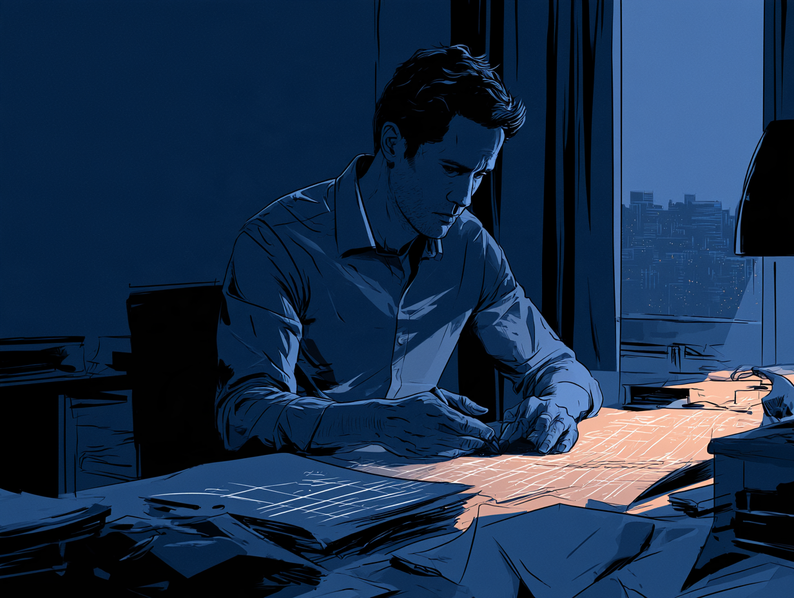

Do you wake up feeling ready to tackle your biggest tasks, only to find your energy fading while everyone else is still going strong? If mornings feel like your most productive time and evenings leave you craving an early bedtime, you might identify with the Lion chronotype.
In the popular four-chronotype model, Lions are natural early risers who tend to feel more alert during the first half of the day. Their preferred routine often includes an early start, focused morning work, and a quieter evening. However, individual sleep needs and energy patterns vary, so there is no single schedule that works for every Lion.
Understanding your natural rhythm can make planning your day easier. This guide explores the defining traits of Lions, suggests a realistic daily schedule, and explains how to organize demanding work, exercise, and rest around your preferred hours. You'll also learn what sleep science actually says about chronotypes and how to adapt these recommendations to your lifestyle.
What Is a Lion Chronotype?
A Lion chronotype describes someone who naturally prefers waking up early, feels particularly alert in the morning, and tends to get sleepy earlier in the evening. The term comes from sleep specialist Michael Breus's popular four-chronotype model, which groups people into Lions, Bears, Wolves, and Dolphins based on their typical sleep and activity preferences.
In sleep research, Lions most closely resemble people with a morning chronotype. However, the animal-based categories are not clinical diagnoses or formally established scientific classifications.
Lion Chronotype Meaning and Key Characteristics
Lions often feel ready to start their day before most people have finished their first cup of coffee. They may find it easier to concentrate on demanding tasks in the morning and prefer winding down when evening arrives.
Common characteristics include:
- Early waking: Feeling comfortable getting up around 5:30-7:00 a.m., sometimes without an alarm;
- Morning alertness: Experiencing greater mental clarity during the first few hours after waking;
- Earlier sleepiness: Preferring to go to bed earlier than friends or coworkers;
- Predictable routines: Finding consistent sleep and wake times comfortable;
- Afternoon energy changes: Noticing that mentally demanding tasks feel harder later in the day.
These are tendencies, not fixed rules. Being an early riser doesn't automatically make someone more disciplined, ambitious, or successful than people with other chronotypes.
How to Tell If You Have a Lion Chronotype
Your natural sleep habits offer more useful clues than your personality. Think about when you wake up without an alarm, when concentration feels easiest, and when you start feeling genuinely sleepy.
For example, someone who wakes naturally at 6:00 a.m., completes challenging work before lunch, and feels ready for bed around 9:30 p.m. may have a strong morning preference.
To explore your chronotype more systematically, consider tracking your sleep for two weeks, including days without work obligations. Established tools such as the Morningness-Eveningness Questionnaire (MEQ) can also help assess whether your preferences lean toward mornings or evenings.
If you're unsure whether your natural preferences lean toward mornings or evenings, try the Chronotype Test, based on the Morningness-Eveningness Questionnaire (MEQ). The results can help you understand your sleep preferences, although they do not establish a medical diagnosis.
Lion Chronotype Daily Schedule: Wake-Up to Bedtime
The ideal Lion chronotype schedule starts early, places demanding activities in the morning, and allows enough time for sleep at night. While Lions often prefer an earlier routine, the best schedule depends on individual sleep needs, work commitments, and natural energy patterns.
A Sample Lion Chronotype Daily Routine
If you naturally wake up around 6:00 a.m., you can organize your day to take advantage of your morning alertness without sacrificing your evenings. The following schedule offers a practical starting point rather than a strict biological timetable.
| Time | Activity | Purpose |
|---|---|---|
| 6:00-7:00 a.m. | Wake up, hydrate, and get daylight | Establish a morning routine |
| 7:00-8:00 a.m. | Breakfast and preparation | Get ready for the day |
| 8:00-11:00 a.m. | Deep work and complex tasks | Use preferred focus hours |
| 11:00 a.m.-1:00 p.m. | Meetings and collaboration | Handle shared responsibilities |
| 1:00-3:00 p.m. | Routine tasks and administration | Manage lighter workloads |
| 3:00-5:00 p.m. | Finish assignments and plan ahead | Complete the workday |
| 5:00-8:00 p.m. | Dinner, personal activities, and relaxation | Transition into the evening |
| 8:00-10:00 p.m. | Wind down and prepare for sleep | Support a consistent bedtime |
The goal isn't to fill every productive minute. It's to place your most mentally demanding work where concentration feels most natural while leaving room for unexpected responsibilities.
Best Wake-Up and Bedtime for Lions
Many people who identify as Lions prefer waking between 5:30 and 7:00 a.m. However, there is no scientifically established wake-up time that every Lion should follow.
For example, if you wake at 6:00 a.m. and need eight hours of sleep, aim to be asleep around 10:00 p.m. Allow additional time to wind down and fall asleep rather than treating bedtime as the exact moment sleep begins.
The Centers for Disease Control and Prevention recommends that adults ages 18-60 get at least seven hours of sleep per night. Maintaining a consistent schedule and getting adequate rest matter more than waking up at a particular hour.
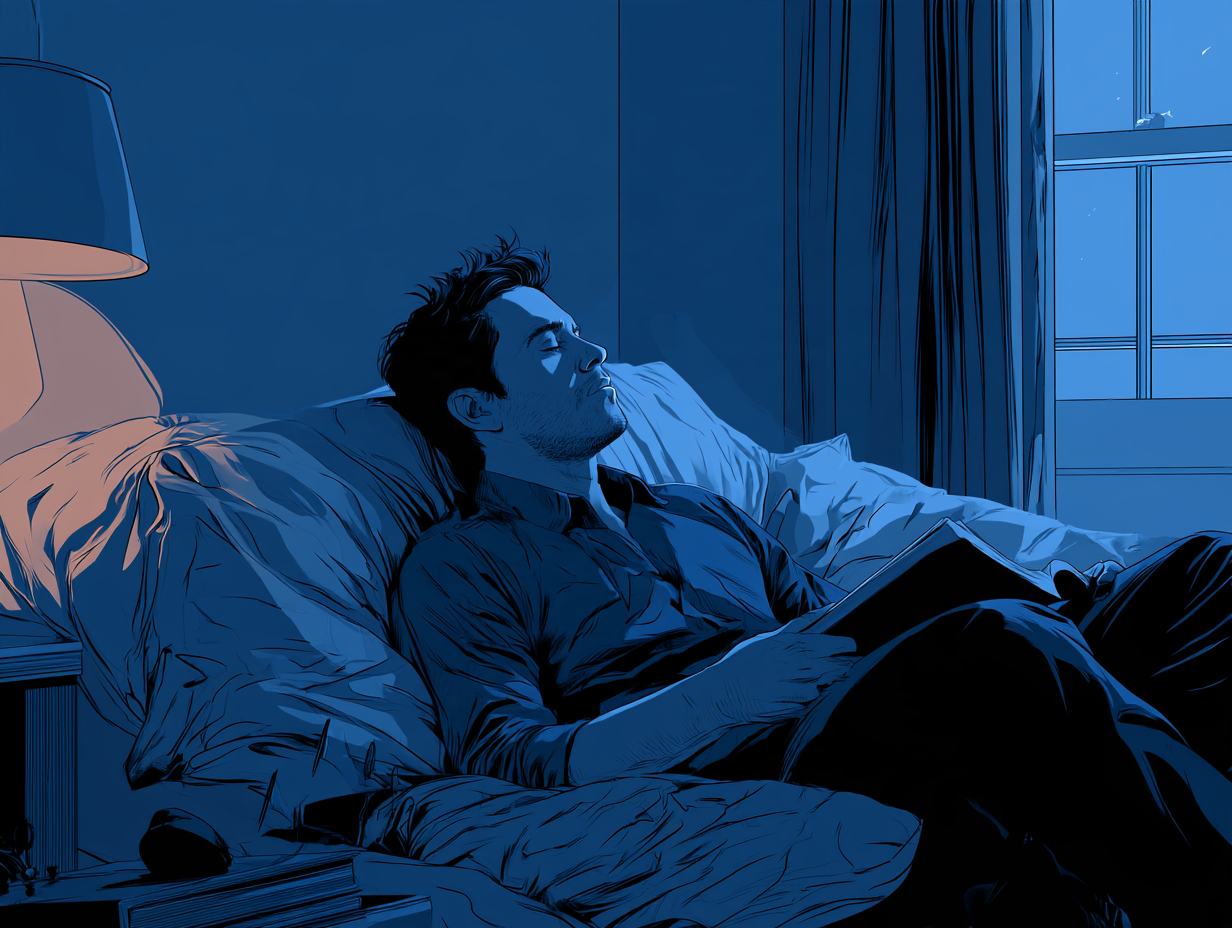
If an early start leaves you exhausted throughout the day, reconsider your bedtime or wake-up time. A schedule that matches your chronotype should support your well-being, not create ongoing sleep deprivation.
When Are Lions Most Productive at Work?
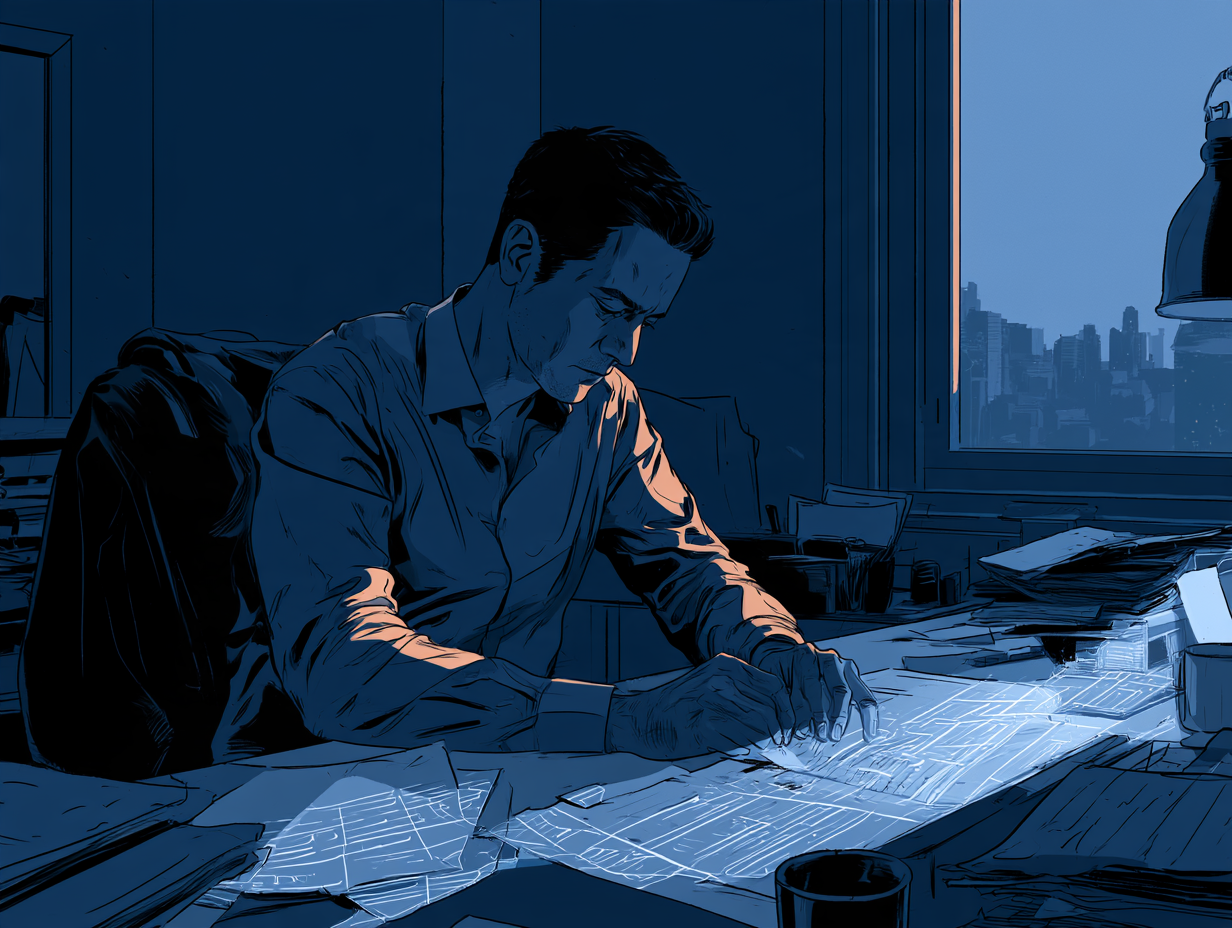
People with a Lion chronotype often prefer tackling challenging work earlier in the day, when they feel naturally alert and motivated. For many morning-oriented individuals, concentration comes more easily after waking than during the late afternoon or evening. However, peak performance depends on sleep quality, the type of task, and individual differences.
Best Hours for Deep Work and Concentration
If you identify as a Lion, consider reserving approximately 8:00-11:00 a.m. for work that requires sustained attention. This might include writing reports, analyzing financial information, solving technical problems, or making complex decisions.
Rather than checking email immediately, try starting with one important assignment. A focused 60-90-minute work block can help you make progress before meetings and messages interrupt your concentration.
You don't need to follow these hours exactly. If your clearest thinking happens at 7:00 a.m. or closer to noon, use that observation to guide your schedule.
How to Organize Meetings and Afternoon Tasks
Late morning and early afternoon can be convenient times for collaborative activities, especially if your concentration begins to decline after several hours of demanding work.
Consider organizing your responsibilities around the following pattern:
- Early morning: Strategic planning, analysis, and independent projects;
- Late morning: Meetings, presentations, and collaborative decisions;
- Early afternoon: Email, administrative work, and routine assignments;
- Late afternoon: Reviewing progress and preparing for the next day.
This approach doesn't mean afternoon work is inherently less valuable. It simply helps you match demanding tasks with the periods when you personally feel most capable of handling them.
What If You Cannot Control Your Work Schedule?
Not everyone can choose when meetings happen or when their workday begins. If you have a standard 9-to-5 schedule, start by protecting even 30-60 minutes for focused work before your calendar fills up.
You can also prepare demanding assignments the previous afternoon so you're ready to begin the next morning. When urgent tasks arrive later in the day, short breaks and realistic priorities may help you maintain concentration.
The most useful schedule is one you can follow consistently. Treat your chronotype as a planning tool, not a limitation on what you can accomplish.
Sleep, Exercise, and Lifestyle Tips for Lions
Having a morning-oriented chronotype doesn't mean you need to organize every activity around sunrise. The goal is to build habits that support your natural sleep-wake rhythm while leaving enough flexibility for work, relationships, and personal commitments.
Exercise and Meal Timing
If you feel energetic shortly after waking, morning exercise might fit comfortably into your routine. A brisk walk, strength-training session, or short workout can be a convenient way to stay active before the workday begins.
However, exercising early isn't a requirement for people with a Lion chronotype. Afternoon workouts can be equally practical, especially if you prefer having more time to warm up or exercise with others.
Meal timing should also reflect your daily routine rather than a rigid chronotype-based formula. Eating breakfast when you're hungry, planning a satisfying lunch, and avoiding unusually heavy meals close to bedtime may help you maintain a comfortable schedule.
Pay attention to how different habits affect your sleep and energy instead of assuming that one routine works for everyone.
A consistent routine can also support your overall well-being. Learn more about the connection between daily habits and emotional balance in our guide to emotional health.
Evening Habits That Support Better Sleep
Because morning-oriented people often feel sleepy earlier, protecting your evening routine can make early mornings more sustainable.
Consider these habits:
- Keep a consistent schedule: Aim for similar bedtimes and wake-up times throughout the week;
- Manage evening light: Dim bright lights as bedtime approaches and reduce stimulating screen activities;
- Watch caffeine timing: Avoid consuming caffeine too close to your intended bedtime;
- Create a comfortable sleep environment: Keep your bedroom quiet, dark, and comfortably cool;
- Allow time to unwind: Choose relaxing activities that help you transition from work to rest.
If you regularly wake up tired despite spending enough time in bed, don't assume your chronotype explains everything. Persistent fatigue or poor sleep quality may warrant a conversation with a healthcare professional.
Is the Lion Chronotype Scientifically Valid?
The Lion chronotype is a useful popular description of morning-oriented sleep preferences, but it is not a formally recognized medical or psychological diagnosis. Scientific research supports differences in when people naturally prefer to sleep and feel alert, although it does not establish the four animal categories as validated clinical classifications.
Lion Chronotype vs. Scientific Chronotype Research
Chronobiology examines how biological rhythms influence sleep, alertness, and other physiological processes. Researchers commonly describe people along a spectrum from morning-oriented to evening-oriented, with many individuals falling somewhere in between.
Questionnaires such as the Morningness-Eveningness Questionnaire (MEQ) and Munich Chronotype Questionnaire (MCTQ) help researchers examine these preferences. Neither assigns people to the popular Lion, Bear, Wolf, or Dolphin categories.
While a Lion generally resembles a morning type, claims about universal personality traits or precise productivity peaks should be treated cautiously.
Can Your Chronotype Change Over Time?
Chronotype is not necessarily fixed throughout life. Adolescents often develop later sleep preferences, while older adults tend to shift toward earlier schedules.
Work demands, light exposure, and daily routines can also influence when you sleep and wake. However, changing your bedtime does not automatically change your underlying circadian preference.
If your schedule no longer feels comfortable, observe your sleep patterns before deciding that your chronotype has changed.

When Should You Talk to a Sleep Specialist?
An early bedtime or preference for morning activities is not inherently a problem. However, persistent daytime sleepiness, difficulty sleeping, or fatigue that interferes with daily activities deserves attention.
A healthcare professional can help assess whether insufficient sleep, a circadian rhythm sleep-wake disorder, or another health condition may be contributing to your symptoms.
If you regularly wake up feeling tired, the Sleep Quality Questionnaire can help you reflect on your sleep patterns. It does not replace a professional medical evaluation.
If stress or emotional difficulties are affecting your sleep and daily functioning, understanding how a psychologist can help may be a useful next step. Psychological support can complement medical evaluation when needed.
Your chronotype can help guide daily planning, but it should never replace an appropriate medical evaluation.
References
1. National Institute of General Medical Sciences (NIGMS). Circadian Rhythms. National Institutes of Health.
2. National Heart, Lung, and Blood Institute (NHLBI). Sleep-Wake Cycle. National Institutes of Health.
3. Centers for Disease Control and Prevention (CDC). About Sleep.
4. Horne, J. A., & Östberg, O. (1976). A Self-Assessment Questionnaire to Determine Morningness-Eveningness in Human Circadian Rhythms. International Journal of Chronobiology, 4(2), 97-110.
5. Roenneberg, T., Wirz-Justice, A., & Merrow, M. (2003). Life Between Clocks: Daily Temporal Patterns of Human Chronotypes. Journal of Biological Rhythms, 18(1), 80-90.
6. National Institute of Neurological Disorders and Stroke (NINDS). Brain Basics: Understanding Sleep. National Institutes of Health.

Conclusion
The Lion chronotype offers a practical way to understand why some people naturally prefer early mornings and quieter evenings. If you identify with this pattern, scheduling demanding work during your most alert hours may help you manage your energy more effectively.
However, no single routine works for everyone. Prioritize adequate sleep, maintain consistent habits, and adjust your schedule around your responsibilities and personal needs. Rather than following an exact timetable, use your natural preferences as a starting point for building a healthier, more sustainable daily routine.
Frequently Asked Questions
What time should a Lion chronotype wake up?
People who identify with the Lion chronotype often prefer waking between 5:30 and 7:00 a.m. However, there is no universal wake-up time. Choose a schedule that feels natural and allows you to get enough sleep.
What is the best bedtime for a Lion chronotype?
Many morning-oriented people prefer going to bed earlier in the evening. If you wake at 6:00 a.m. and need eight hours of sleep, aim to fall asleep around 10:00 p.m. Adjust your bedtime according to your individual sleep needs.
Are Lion chronotypes more productive in the morning?
People with strong morning preferences often feel more alert earlier in the day. However, productivity also depends on sleep quality, task complexity, and individual circumstances. Morning hours may be convenient for demanding work, but they are not automatically optimal for everyone.
Can a Lion chronotype become a night owl?
Chronotype preferences can change with age and other influences. Light exposure, work schedules, and daily habits may also shift sleep timing. However, adopting a later bedtime does not necessarily mean your underlying circadian preference has changed.
Is the Lion chronotype rare?
There is no scientifically established prevalence rate for the Lion category because the four-animal model is not a standardized clinical classification. Research does identify people with strong morning preferences, but those findings cannot be directly converted into a reliable percentage of Lions.
What is the difference between Lion and Bear chronotypes?
In the popular four-chronotype model, Lions generally prefer earlier sleep and wake times, while Bears are described as having schedules more closely aligned with conventional daytime routines. These are broad descriptions rather than scientifically validated diagnostic categories.