I Hate My Husband: 7 Reasons Why and What to Do About It
Feeling intense anger toward someone you once loved can be deeply unsettling. If you’ve caught yourself thinking, I hate my husband, you may feel shocked, guilty, or even scared about what that means for your marriage. These feelings usually don’t appear out of nowhere. In many cases, they grow slowly from unresolved resentment, emotional disconnection, chronic stress, or repeated conflict.
The truth is, strong relationship anger does not automatically mean your marriage is over. It often signals that something important feels unmet or unaddressed. In this guide, you’ll learn why these emotions develop, how to tell the difference between temporary resentment and deeper problems, and what practical steps can help you regain clarity and stability before making major decisions.
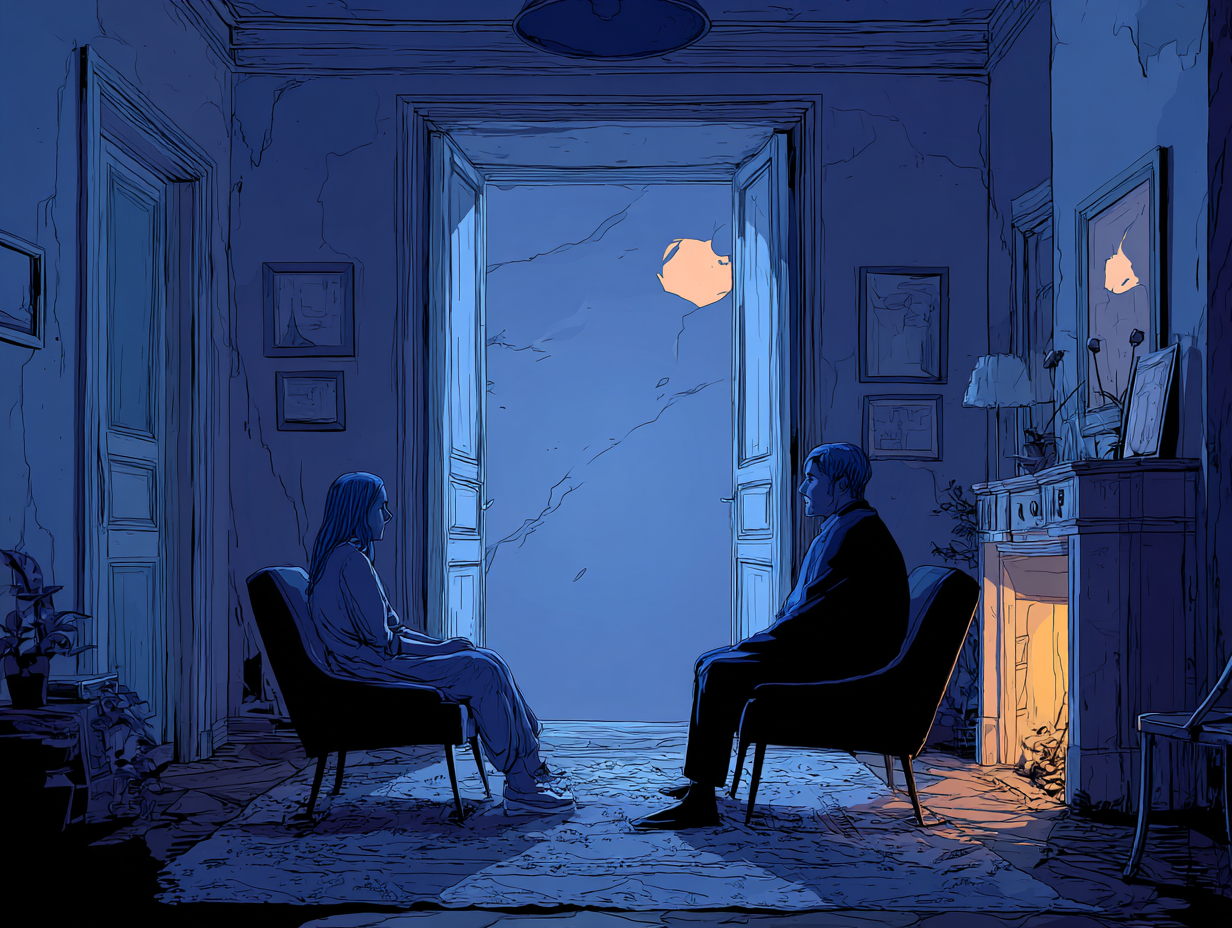
Why Do I Feel Like I Hate My Husband?
When you think I hate my husband, the emotion is usually a signal, not a final verdict. What often feels like hatred is layered resentment, hurt, or chronic emotional overload that has been building over time.
1. Unresolved Resentment
Resentment grows when needs go unspoken or repeatedly ignored. It can stem from unequal emotional labor, feeling unheard during arguments, or carrying most of the mental load at home. Over months or years, small disappointments accumulate. The brain begins to associate your partner with stress instead of safety.
Here’s how it can unfold: you ask for help with childcare several times, nothing changes, and eventually you stop asking. On the surface, you function normally. Internally, irritation hardens into contempt. According to relationship research often cited by the American Psychological Association, persistent contempt is one of the strongest predictors of marital dissatisfaction.
Resentment does not mean you are cruel or irrational. It means something important feels consistently unmet.
2. Emotional Disconnection
Long-term relationships require ongoing emotional repair. When communication becomes transactional - focused only on logistics - couples slowly drift apart. Without emotional intimacy, affection decreases and irritability rises.
- feeling lonely even when you are together
- reduced physical intimacy
- fewer meaningful conversations
- interpreting neutral behaviors as negative
Chronic stress also plays a role. The body’s stress system, sometimes described as the HPA axis, stays activated under prolonged pressure from work, finances, or parenting. When stress remains high, patience drops. Minor behaviors begin to feel intolerable.
In these moments, the thought I hate my husband may actually mean, “I feel disconnected and overwhelmed.”
3. Repeated Conflict Without Resolution
Some couples argue frequently but repair quickly. Others argue, withdraw, and never truly resolve anything. When conflicts repeat without closure, emotional exhaustion sets in.
For example, imagine arguing about money every month. The discussion escalates, both of you feel unheard, and the issue resurfaces weeks later unchanged. Over time, your nervous system starts reacting defensively before the conversation even begins. That anticipatory tension fuels anger.
Cognitive distortions can intensify this pattern. Thoughts like “He never listens” or “He always dismisses me” create all-or-nothing thinking. Even if those statements are not fully accurate, they reflect how stuck you feel.
4. Personal Burnout or Depression
Sometimes the emotion is not solely about the relationship. Irritability is a common symptom in depressive disorders described in the DSM-5-TR. When someone feels emotionally depleted, their tolerance for frustration decreases.
If you notice low energy, sleep disturbance, loss of interest in activities, or persistent sadness beyond relationship conflict, it may be helpful to speak with a licensed mental health professional. Relationship anger and individual mental health often overlap.
This does not mean your feelings are imaginary. It means multiple layers may be interacting.
5. Feeling Unsafe or Disrespected
It is important to draw a clear boundary here. Chronic disrespect, emotional manipulation, coercive control, or any form of violence are not “normal marital problems.” If your anger is rooted in feeling unsafe, that requires a different level of attention.
- threats or intimidation
- controlling finances or social contacts
- verbal degradation
- physical aggression
If you ever feel unsafe, seek immediate help. In the United States, you can call or text 988 for crisis support. If you are in immediate danger, call 911.
A Key Reframe
Hatred is rarely the primary emotion. More often, it is a protective response. Underneath it, there may be grief for how the relationship used to feel, disappointment about unmet expectations, or fear that things will never improve.
Understanding the root matters. Once you identify whether your anger comes from resentment, disconnection, burnout, or safety concerns, you can respond intentionally instead of reactively.
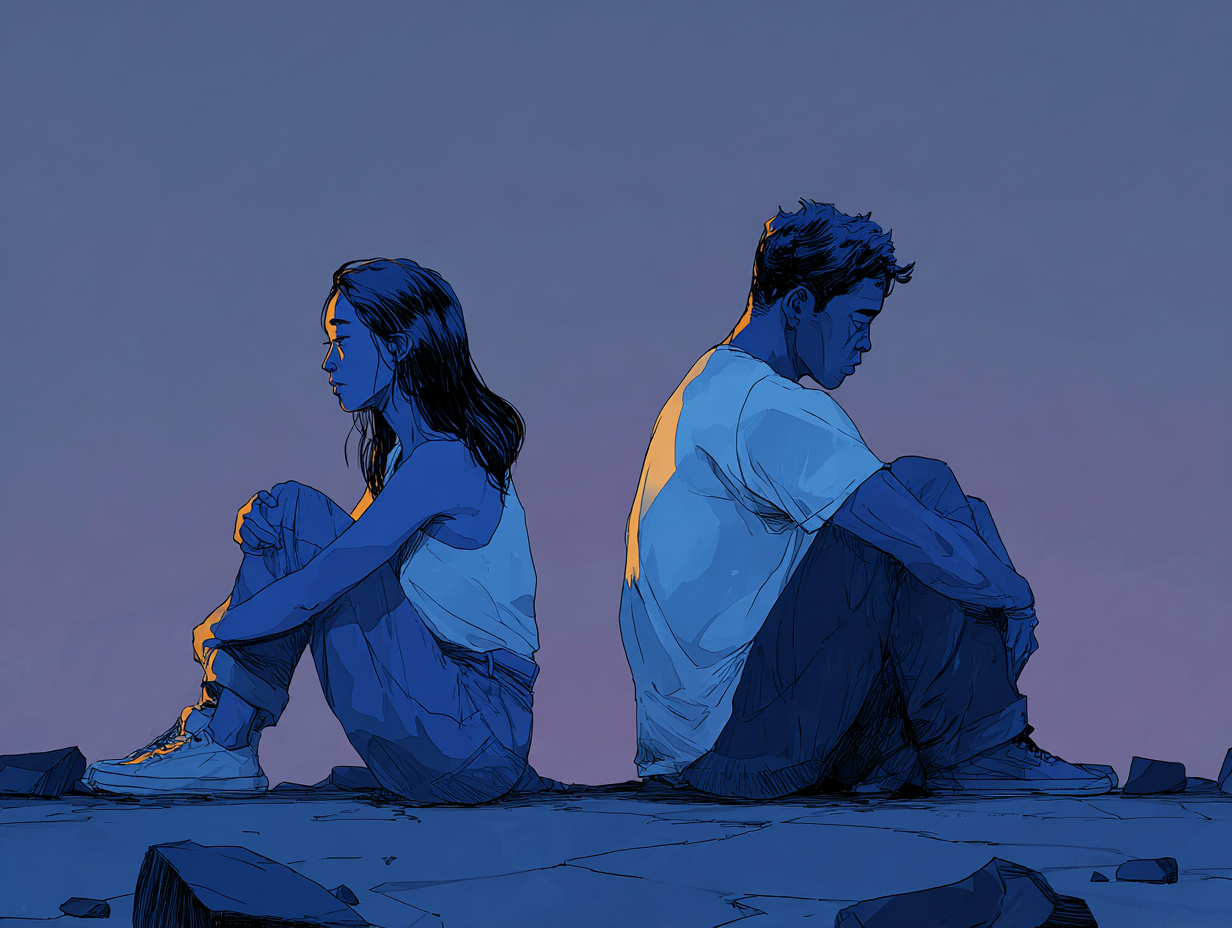
Is It Resentment, Depression, or Something More Serious?
When you think I hate my husband, the intensity can blur important distinctions. Not all anger in marriage has the same root. Sometimes it reflects relationship strain. Other times it overlaps with depression, chronic stress, or even emotional abuse. Understanding the difference helps you respond wisely instead of react impulsively.
Let’s break this down clearly.
How Relationship Resentment Typically Shows Up
Resentment in marriage is usually specific. It connects to identifiable patterns such as unequal responsibility, repeated dismissive comments, or emotional withdrawal. The anger often spikes around certain topics and softens during neutral or positive moments.
For example, you may feel warmth during a family outing but intense irritation when discussing finances. That fluctuation suggests the relationship still contains positive emotional threads.
- frustration tied to repeated behaviors
- mental replaying of past arguments
- feeling unappreciated or unheard
- hope that things could improve if patterns change
Even when the thought I hate my husband appears, it may coexist with sadness or longing.
When Depression Is Contributing
Irritability is a recognized feature of depressive disorders in the DSM-5-TR. When depression is present, negative feelings are usually broader and less situational.
- low mood most of the day
- loss of interest in previously enjoyable activities
- sleep or appetite changes
- difficulty concentrating
- irritability toward multiple people, not just your spouse
In this case, your husband may feel like the closest or safest target for displaced frustration. The anger may not fully resolve even after constructive conversations.
If these symptoms persist for two weeks or more, speaking with a licensed psychologist, counselor, or primary care provider can help clarify what is happening.
When It Signals Emotional Abuse or Coercive Control
This distinction matters most.
If your anger stems from feeling controlled, demeaned, threatened, or isolated, that is not standard marital conflict. Emotional abuse often includes patterns such as:
- monitoring your movements or communications
- gaslighting or persistent denial of your reality
- financial control
- humiliation in private or public
- escalation to physical intimidation
In abusive dynamics, anger may mix with fear. You may feel hypervigilant or constantly on edge. The stress response system remains activated, which can lead to anxiety, sleep problems, and emotional exhaustion.
If you feel unsafe at any point, reach out for support. In the United States, call or text 988 for crisis support. If you are in immediate danger, call 911.
Quick Comparison for Clarity
| Pattern | Resentment | Depression-Related Irritability | Emotional Abuse |
|---|---|---|---|
| Scope of anger | Situation-specific | Widespread | Triggered by control or harm |
| Presence of fear | Usually no | No | Often yes |
| Moments of warmth | Still present | Reduced overall | Often unpredictable |
| Primary emotion under anger | Hurt or disappointment | Hopelessness | Fear or intimidation |
| What helps most | Repair conversations | Individual treatment | Safety planning |
This table is not a diagnostic tool. It is a guide for reflection.
Questions to Ask Yourself
- Do I feel safe expressing disagreement?
- Does my anger soften when we reconnect?
- Am I irritable in other areas of my life too?
- If our main conflicts improved, would my feelings likely change?
Honest answers provide direction. Sometimes the conclusion is that both partners need structured support. Other times the work begins with individual therapy to address burnout or depressive symptoms.
The key is precision. When you move beyond the blanket statement I hate my husband and identify the exact pattern underneath, your next step becomes clearer and more grounded.
How to Talk to Your Husband Without Escalating Conflict
If you keep thinking I hate my husband, communication may already feel tense or explosive. The goal is not to win arguments. It is to lower defensiveness and create a space where repair is possible.
The way you start a conversation often determines how it ends.
1. Start With Experience, Not Accusation
Research frequently cited by the American Psychological Association and relationship experts shows that criticism triggers defensiveness almost immediately. When someone hears “You always…” or “You never…,” the brain shifts into self-protection.
- Instead of: “You never help around here.”
- Try: “I feel overwhelmed handling the evenings alone. I need more support.”
This shifts the focus from character to impact. It increases the chance your husband can hear you without escalating.

2. Choose Timing Intentionally
Hard conversations should not happen in the middle of an argument, late at night, or when either of you is already flooded with stress hormones.
- “I want to talk about something important. Can we set aside time tomorrow evening?”
Scheduling reduces surprise and allows both of you to enter the conversation prepared rather than reactive.
3. Focus on One Pattern at a Time
When anger has built up for months, it is tempting to list every grievance. That usually overwhelms both partners.
- identify one repeating pattern
- describe specific examples
- state the emotional impact
- ask for a clear behavioral change
For example: “When we discuss money and my concerns are dismissed, I feel invisible. I need us to slow down and both speak fully before responding.”
Specific requests are actionable. Global complaints are not.
4. Watch for Contempt
Contempt shows up as sarcasm, eye-rolling, mockery, or disgust. Long-term studies on marital stability consistently link contempt with relationship breakdown.
If your tone includes statements like “You’re impossible” or “You’re just like your father,” pause. Even if you feel justified, contempt erodes safety quickly.
- “Help me understand what’s happening for you when this comes up.”
Curiosity does not excuse behavior. It creates information.
5. Establish Boundaries Without Threats
Boundaries are not ultimatums. They clarify what you will do to protect your well-being.
- “If conversations turn into shouting, I will step away and return later.”
- “I’m not willing to continue discussions where I’m called names.”
Boundaries reduce chaos. They also communicate self-respect without escalating into threats of divorce during every argument.
When Communication Feels Impossible
If every attempt at calm discussion turns into defensiveness or stonewalling, that may signal the need for structured support.
Couples therapy, especially evidence-based approaches like Emotionally Focused Therapy or cognitive-behavioral couples therapy, focuses on breaking negative cycles rather than assigning blame. A trained therapist helps both partners identify underlying fears and unmet attachment needs.
Sometimes people who say I hate my husband discover that what they truly hate is the conflict cycle itself.
A Small but Powerful Shift
Before initiating a conversation, ask yourself:
- What outcome do I want from this discussion?
- Am I seeking connection, clarity, or control?
Entering with clarity about your intention lowers emotional volatility.
Communication alone does not fix every marriage. However, without intentional communication, resentment almost always deepens.
When to Seek Therapy or Consider Separation
If the thought I hate my husband feels persistent and overwhelming, it may be time to bring in professional support. Strong emotions are information, but when they start shaping your identity or daily functioning, outside perspective becomes valuable.
Not every struggling marriage needs separation. Not every marriage can or should be repaired. The key is thoughtful evaluation rather than reaction.
When Individual Therapy Makes Sense
Consider individual therapy if:
- anger spills into other areas of your life
- you feel emotionally numb or chronically hopeless
- you are unsure whether the problem is internal, relational, or both
- past trauma or attachment wounds may be influencing your reactions
A licensed psychologist, clinical social worker, or counselor can help you untangle patterns without immediately pushing toward divorce. Individual therapy creates a space where you can speak freely and explore your own needs without pressure.

If symptoms of depression, anxiety, or sleep disturbance are present, a primary care provider or psychiatrist may also help evaluate whether additional support is needed. This is not about labeling. It is about understanding the full picture.
When Couples Therapy Is Appropriate
Couples therapy is often effective when:
- both partners are willing to participate
- there is no active violence or coercive control
- communication patterns are repetitive but not dangerous
- emotional connection still matters to both people
Evidence-based couples therapies focus on cycle interruption. Instead of debating who is right, the therapist identifies the negative loop and helps both partners respond differently.
Many couples enter therapy saying, “We fight constantly.” Often they leave understanding the deeper fear driving those fights.
If cost is a concern, some community clinics, university training programs, or insurance plans offer reduced-fee services. Check whether your insurance covers outpatient mental health and whether telehealth is available in your state.
When Separation May Be Healthier
There are circumstances where creating distance is the safest or most stabilizing choice.
- there is ongoing emotional or physical abuse
- repeated betrayal continues without accountability
- one partner refuses any effort toward repair
- you consistently feel unsafe or psychologically destabilized
Safety always takes priority over relationship preservation.
If you are experiencing threats, intimidation, or violence, reach out immediately. In the United States, call or text 988 for confidential crisis support. If you are in immediate danger, call 911.
A Structured Self-Check Before Major Decisions
Before making a permanent decision, ask:
- Have I clearly communicated my needs?
- Have we attempted structured repair with professional guidance?
- Am I making this decision from regulated clarity or acute anger?
- If patterns changed, would I still want to leave?
Clarity often emerges when emotional intensity decreases.
The Core Principle
Saying I hate my husband does not automatically define your future. It signals that something important requires attention. For some couples, that attention leads to reconnection. For others, it leads to respectful separation.
Either path deserves thoughtfulness rather than panic.
If you feel stuck, overwhelmed, or unable to assess the situation clearly, reaching out to a licensed mental health professional is a responsible step. Seeking help is not weakness. It is informed decision-making.
References
1. American Psychological Association. Marriage and Relationships. 2023.
2. American Psychological Association. Burnout and Stress Are Everywhere. 2022.
3. National Institute of Mental Health. Depression. 2023.
4. Substance Abuse and Mental Health Services Administration. National Helpline and Crisis Services. 2023.
5. American Psychological Association. Couples and Family Psychology Guidelines. 2022.
Conclusion
Strong relationship anger often masks deeper emotions such as hurt, exhaustion, or fear. When you think I hate my husband, it usually signals that something feels chronically unmet or unsafe rather than a sudden collapse of love.
Before making permanent decisions, slow the process down. Identify the root pattern, regulate your stress response, and consider structured communication or professional support. Many marriages improve when negative cycles are addressed directly. Others clarify that separation is the healthier path.
If you ever feel emotionally overwhelmed or unsafe, confidential help is available. Call or text 988 to reach the Suicide and Crisis Lifeline in the United States. If you are in immediate danger, call 911. You do not have to navigate intense relationship distress alone.
Frequently Asked Questions
Is it normal to feel like I hate my husband sometimes?
Intense anger in long-term relationships is not uncommon, especially when resentment builds over time. Feeling this way does not automatically mean your marriage is over. It often signals unresolved conflict or unmet emotional needs that require attention.
How do I know if it’s depression instead of relationship problems?
If irritability is accompanied by persistent low mood, sleep changes, loss of interest in daily activities, or difficulty concentrating for two weeks or more, depression may be contributing. A licensed mental health professional can help clarify whether symptoms are primarily relational or individual.
Can couples therapy really help if we fight constantly?
Yes. Evidence-based couples therapies focus on identifying and interrupting negative communication cycles rather than assigning blame. When both partners are willing to participate and there is no ongoing abuse, structured therapy can significantly improve communication and emotional connection.
What if I feel unsafe in my marriage?
Feeling unsafe due to threats, intimidation, or physical aggression is not a typical marital issue. Seek immediate support. In the United States, you can call or text 988 for crisis assistance. If you are in immediate danger, call 911.
Should I decide on divorce while I’m this angry?
Major decisions made during intense emotional activation may not reflect your long-term values. Whenever possible, reduce stress, gather clarity, and consider individual or couples therapy before making permanent choices, unless safety is at risk.