How to Be a Better Boyfriend: 15 Practical Tips That Actually Improve Relationships
Wanting to be a better partner usually starts with a quiet realization: something isn’t working the way you hoped. Maybe conflicts repeat themselves, emotional closeness feels harder to maintain, or your partner has hinted that they need more support. These moments don’t mean you’re failing — they mean you’re paying attention.
Being a better boyfriend is not about grand romantic gestures or trying to become a different person overnight. It’s about learning specific, repeatable behaviors that strengthen trust, emotional safety, and connection over time. Most relationship problems don’t come from bad intentions; they come from missed signals, defensive reactions, and habits we were never taught to examine.
In this guide, you’ll find 15 practical, psychology-informed tips that focus on what actually improves relationships. We’ll look at emotional support, communication during conflict, consistency, and accountability — without shaming or unrealistic expectations. You’ll also learn when self-improvement is enough and when professional support, such as counseling, can be a helpful next step. This is about progress, not perfection, and about building a relationship that feels secure for both of you.
What Does It Actually Mean to Be a Better Boyfriend?
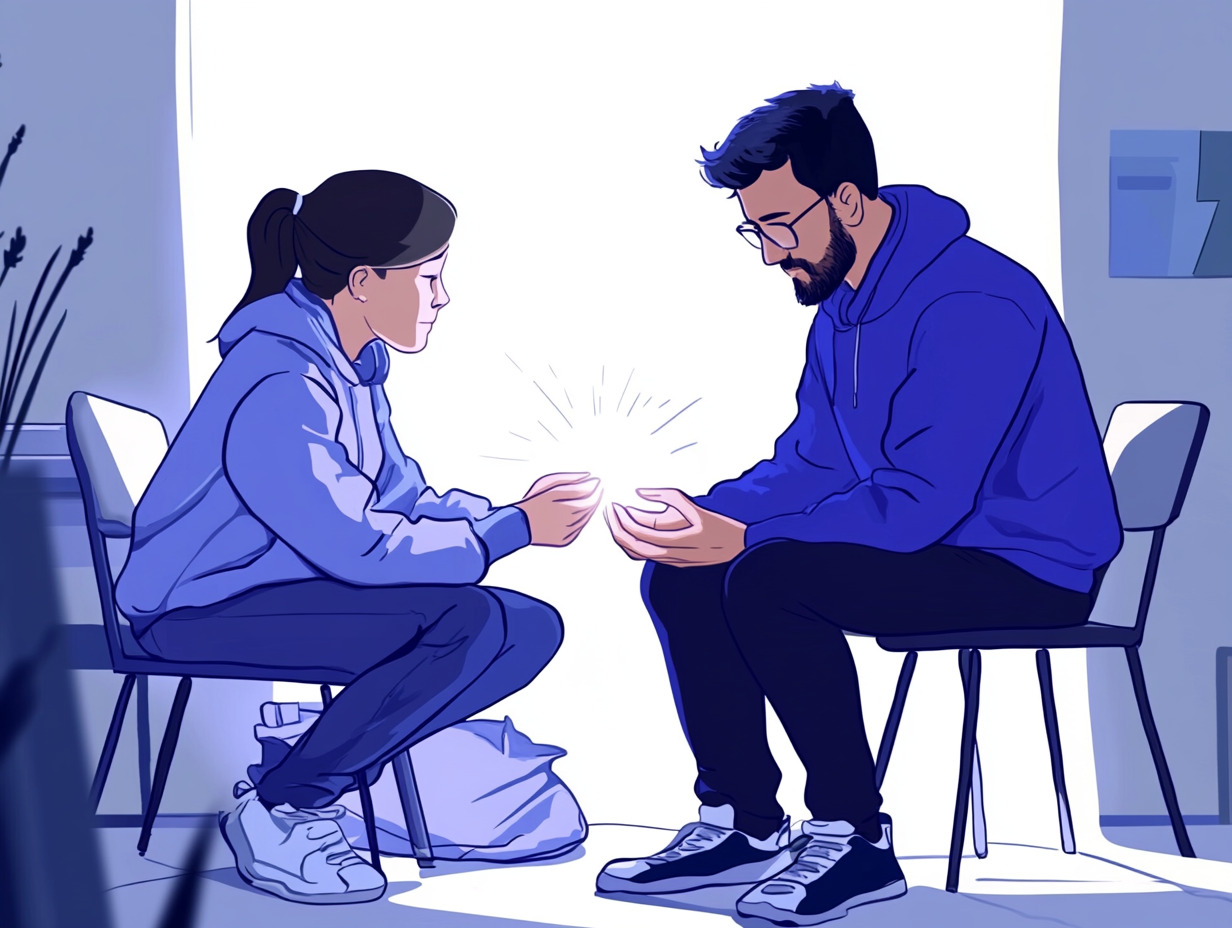
Being a better boyfriend doesn’t mean being perfect or constantly agreeing. It means understanding how your behavior affects your partner and taking responsibility for that impact. Many people assume that good intentions are enough, but relationships are shaped far more by what is experienced than by what is meant.
At its core, being a better boyfriend is about reliability, emotional presence, and respect. Your partner needs to feel that you are attentive when it matters, consistent over time, and willing to reflect on your actions. This doesn’t require dramatic change. It requires awareness and follow-through.
One common misconception is that being “nice” automatically makes someone a good partner. Niceness can coexist with avoidance, emotional distance, or defensiveness. For example, someone may avoid difficult conversations to keep the peace, not realizing that this avoidance creates insecurity or resentment. In that case, the intention is kindness, but the effect is disconnection.
Another misunderstanding is believing that love should be intuitive. In reality, relationship skills are learned. Most people were never taught how to listen without interrupting, how to validate emotions without fixing them, or how to repair after conflict. Expecting yourself to “just know” these skills sets you up for frustration.
Being a better boyfriend also means separating feedback from identity. When a partner says, “I don’t feel supported,” it’s easy to hear, “I’m a bad partner.” Those are not the same. Feedback is information about what isn’t working, not a verdict on who you are. Growth starts when you stay curious instead of defensive.
Consider this scenario: your partner comes home upset about work. You immediately offer solutions, thinking you’re helping. Instead, they withdraw and say you don’t listen. A better response isn’t smarter advice, it’s pausing and asking, “Do you want support or solutions right now?” That small shift changes the emotional experience completely.
Ultimately, being a better boyfriend is about closing the gap between intention and impact. When you’re willing to notice patterns, adjust behaviors, and stay engaged even when it’s uncomfortable, relationships tend to feel safer and more stable. That foundation makes everything else — communication, trust, intimacy — much easier to build.
15 Practical Tips to Be a Better Boyfriend
1. Pay attention to how your actions affect your partner, not just what you intended to do.
2. Treat feedback from your partner as useful information about the relationship, not as a judgment of your character.
3. Accept that relationship skills are learned over time and are not something people simply know instinctively.
4. Be emotionally available in moments that matter instead of trying to impress with intensity or dramatic gestures.
5. Stay present when your partner shares difficult emotions, even if you feel uncomfortable or unsure what to say.
6. Notice patterns in when your partner tends to open up and try to be attentive during those moments.
7. Validate your partner’s emotions before offering advice or solutions.
8. Use language that acknowledges feelings rather than logic when your partner is emotionally upset.
9. Ask directly whether your partner wants emotional support or practical advice instead of assuming.
10. Follow up on things your partner has shared with you earlier to show that you listen and remember.
11. Check in after stressful events even if your partner does not explicitly ask for support.
12. Reduce distractions such as your phone during meaningful conversations to show full attention.
13. Listen during conflicts without preparing your defense or trying to prove that you are right.
14. Pause arguments when emotions escalate and return to the conversation once both of you are calmer.
15. Repair after conflicts by acknowledging your part, taking responsibility for your behavior, and following through with change.
How Can You Be More Emotionally Supportive as a Boyfriend?
Emotional support is one of the strongest predictors of relationship satisfaction. It’s not about saying the perfect thing or always knowing what your partner needs. It’s about being emotionally available in moments that matter and responding in a way that helps your partner feel seen and understood.
Emotional Availability vs. Emotional Intensity
Being emotionally supportive doesn’t require intense displays of emotion. Many people equate support with big reactions, deep talks every night, or dramatic reassurance. In practice, emotional availability is quieter. It shows up as attention, responsiveness, and willingness to stay present even when emotions are uncomfortable.
For example, if your partner shares something vulnerable and you feel the urge to change the subject or make a joke, that’s often discomfort, not lack of care. A more supportive response is simply staying with the moment. Saying, “That sounds really hard,” signals presence without pressure.
Emotional availability also means noticing patterns. If your partner tends to open up after a stressful day, being mentally checked out or distracted at that time can feel rejecting, even if it’s unintentional. Support often lives in timing as much as in words.
Validation Without Fixing
One of the most common mistakes well-meaning partners make is trying to solve emotional problems too quickly. When someone shares frustration, sadness, or anxiety, they’re often seeking understanding, not advice. Jumping straight to solutions can unintentionally communicate that their feelings are inconvenient or excessive.
Validation means acknowledging the emotional experience before offering input. This can be as simple as, “I get why that upset you,” or, “Anyone would feel overwhelmed in that situation.” You’re not agreeing with every detail, you’re recognizing the emotional reality.
Imagine your partner is worried about an upcoming family event. Offering a plan right away might feel logical, but pausing to say, “It makes sense that you’re nervous,” helps regulate emotion first. Once someone feels understood, problem-solving becomes easier and more collaborative.
Everyday Behaviors That Communicate Support
Emotional support isn’t limited to serious conversations. It’s built through small, repeatable actions that show attentiveness over time.
- remembering important details and following up on them later
- checking in after stressful events, not just during them
- putting away distractions during meaningful conversations
- noticing changes in mood instead of waiting to be told
Being a better boyfriend emotionally doesn’t mean carrying your partner’s feelings or taking responsibility for fixing everything. It means creating a space where emotions are welcome and taken seriously. When your partner feels safe expressing themselves without being dismissed or rushed, trust and closeness tend to grow naturally.
How Do You Communicate Better and Handle Conflict Without Damaging the Relationship?
Conflict is not the problem in most relationships. How conflict is handled is what determines whether trust grows or erodes over time. Communicating better doesn’t mean avoiding disagreement; it means staying emotionally regulated and engaged when things get tense.
When communication breaks down, it’s usually because one or both partners feel unheard, blamed, or overwhelmed. Improving this area is one of the most effective ways to become a more reliable and emotionally safe partner.
Listening Without Defensiveness
Defensiveness is a natural stress response. When feedback feels personal, the nervous system shifts into protection mode, making it hard to listen. Unfortunately, defensiveness often shuts down the very conversation that could lead to understanding.
Listening well starts with slowing your reaction. Instead of preparing a rebuttal, focus on grasping what your partner is actually saying. You can reflect it back with a sentence like, “What I’m hearing is that you felt dismissed earlier.” This doesn’t mean you agree with everything; it shows you’re engaged.
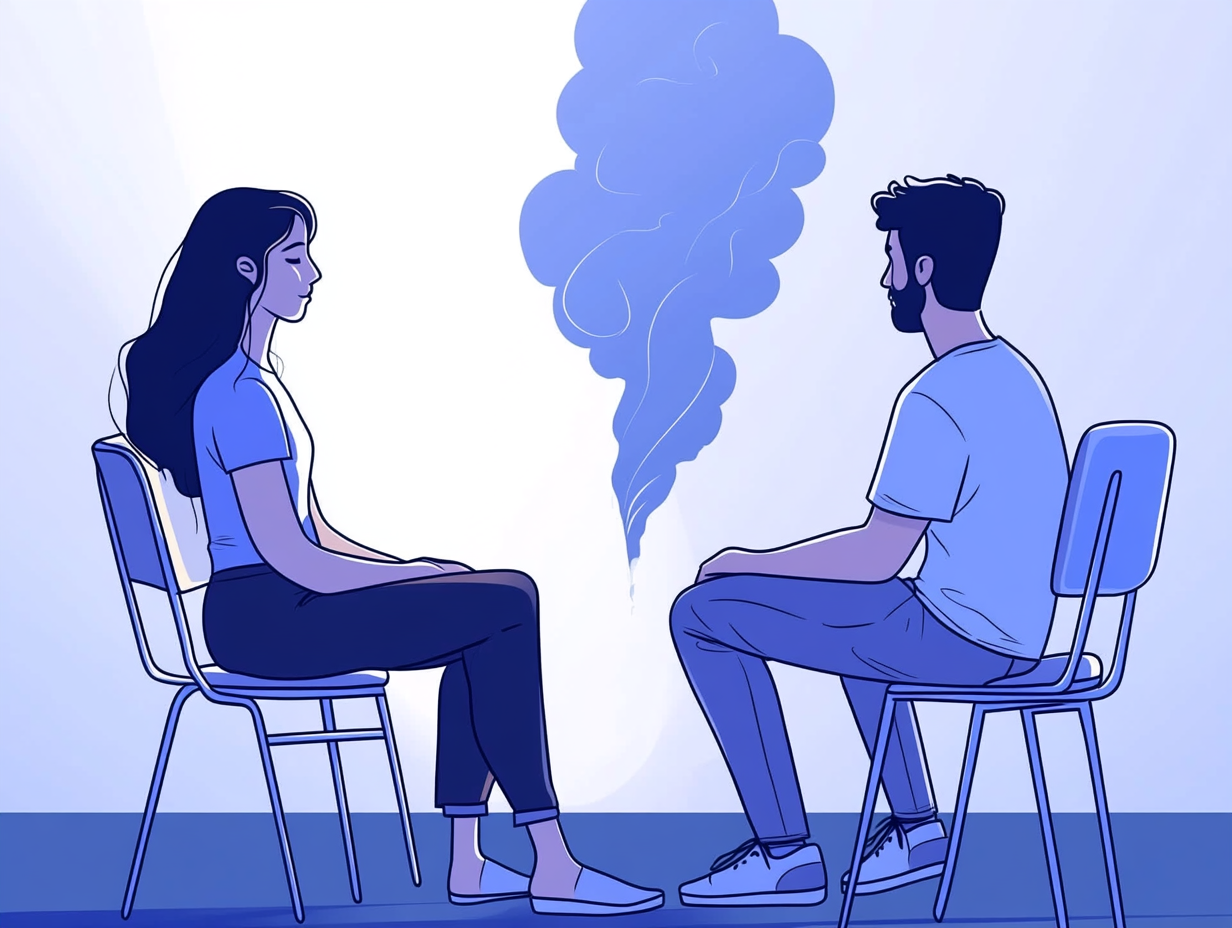
A common pattern looks like this: your partner raises a concern, you explain your intentions, and they feel ignored. Intentions matter, but timing matters more. Understanding needs to come before explanation.
Managing Emotional Reactivity During Conflict
Strong emotions narrow attention and reduce flexibility. Raised voices, sarcasm, or shutting down are often signs that one or both partners are overwhelmed rather than unwilling to communicate.
If you notice your body reacting, it’s reasonable to pause. Saying, “I want to keep talking, but I need a few minutes to calm down,” protects the conversation instead of abandoning it. Taking space with a clear plan to return helps prevent escalation without creating distance.
Regulation also means noticing triggers. Certain topics may activate fear of rejection or failure, leading to disproportionate reactions. Naming this internally can reduce the intensity and keep the focus on the issue at hand.
Repairing After Arguments
Even healthy couples argue in ways they later regret. What matters most is what happens afterward. Repair attempts, such as acknowledging hurt or taking responsibility, rebuild trust faster than avoiding conflict altogether.
A repair might sound like, “I didn’t handle that well earlier. I was defensive, and I see how that hurt you.” This kind of statement focuses on behavior, not self-criticism. It reassures your partner that the relationship is more important than being right.
The table below highlights common communication missteps and what helps instead.
| Common reaction | Why it hurts | What helps instead |
|---|---|---|
| Explaining intentions immediately | Feels dismissive of emotions | Validate feelings first |
| Shutting down or leaving | Creates insecurity | Pause with a clear return plan |
| Raising your voice | Triggers threat response | Lower tone and slow pace |
| Winning the argument | Turns partner into opponent | Focus on mutual understanding |
Becoming a better boyfriend in conflict doesn’t mean never getting upset. It means recognizing when communication is slipping into reactivity and choosing responses that protect the relationship rather than damage it.
Consistency, Accountability, and Trust: How Real Change Happens
Trust is rarely built through dramatic promises or one-time gestures. It grows through consistency — the steady alignment between what you say and what you do. For many relationships, the difference between feeling secure and feeling uncertain comes down to reliability over time.
Being a better boyfriend often means focusing less on intentions and more on patterns. Anyone can apologize or promise change in the moment. What matters is whether those changes show up repeatedly, especially when no one is watching or reminding you.
Why Consistency Matters More Than Grand Gestures
Big gestures can feel reassuring in the short term, but they lose impact if everyday behavior stays the same. Consistency creates predictability, and predictability creates emotional safety. When your partner knows how you tend to respond, they don’t have to brace themselves for uncertainty.
For example, saying you’ll be more communicative means little if messages go unanswered for days afterward. On the other hand, small, reliable actions — checking in, following through, showing up when you say you will — send a powerful message of care.
Apologies vs. Changed Behavior
Apologies are important, but they are only the beginning of repair. A sincere apology acknowledges harm, but behavior change is what restores trust. Without that follow-through, apologies can start to feel hollow or even manipulative.
Accountability means owning your role without minimizing it. Phrases like “I’m sorry you felt that way” shift responsibility away from your actions. A more accountable response focuses on what you’ll do differently next time and then actually doing it.
| Short-term promise | Long-term behavior | Impact on trust |
|---|---|---|
| “I’ll communicate more” | Regular check-ins | Stability increases |
| “I won’t do that again” | Clear boundary respect | Safety grows |
| “I understand now” | Consistent behavior change | Credibility returns |
Taking Responsibility Without Self-Shame
Accountability doesn’t require beating yourself up. Self-shame often leads to withdrawal or defensiveness, which undermines trust further. Responsibility is about clarity, not punishment.
If a pattern keeps repeating, it’s useful to ask what’s getting in the way of change. Sometimes it’s habit, sometimes stress, and sometimes a skill gap that hasn’t been addressed. Recognizing this opens the door to learning rather than stagnation.
When your partner sees consistent effort, even imperfect progress tends to be received positively. Trust isn’t rebuilt by being flawless; it’s rebuilt by being reliable.
When Self-Improvement Isn’t Enough: Boundaries, Red Flags, and Getting Help
Working on yourself can significantly improve a relationship, but self-improvement has limits. Some patterns don’t shift with effort alone, especially when stress, emotional regulation difficulties, or long-standing relational habits are involved. Knowing when to seek support is part of being a responsible partner, not a sign of failure.

Recognizing When Patterns Aren’t Improving
If the same conflicts keep resurfacing despite genuine effort, it’s worth pausing to assess what’s happening. Ongoing issues such as frequent emotional shutdowns, escalating arguments, or persistent feelings of resentment often indicate that deeper skills or support are needed.
Other warning signs include difficulty managing anger, repeated boundary violations, or feeling constantly misunderstood despite attempts to communicate. These patterns don’t mean the relationship is broken, but they do suggest that willpower alone may not be enough.
When Therapy Can Be Helpful
Individual counseling can help you understand emotional triggers, attachment patterns, and stress responses that affect how you show up in relationships. Couples therapy focuses on interaction patterns rather than assigning blame, helping both partners communicate more effectively and repair trust.
According to the American Psychological Association, therapy is most effective when it’s approached proactively, not as a last resort. Many couples seek support not because their relationship is failing, but because they want tools to handle challenges more constructively.
Boundaries and Safety Matter
It’s also important to name boundaries clearly. Emotional support does not mean tolerating disrespect, control, or harm. If interactions involve intimidation, emotional manipulation, or fear, professional help is essential. In situations involving emotional or physical safety, immediate support should be prioritized.
If distress escalates to thoughts of hopelessness or self-harm, reach out for immediate help. In the United States, you can call or text 988 to reach the Suicide and Crisis Lifeline. If you or someone else is in immediate danger, call 911.
Becoming a better partner includes recognizing when you need guidance beyond self-help. Seeking support shows maturity and care for both yourself and the relationship.
References
1. American Psychological Association. Healthy Relationships. 2023.
2. American Psychological Association. Repairing Relationships After Conflict. 2021.
3. National Institute of Mental Health. Stress and Coping. 2022.
4. American Psychological Association. Couples Therapy and Relationship Support. 2023.
Frequently Asked Questions
Can anyone learn how to be a better boyfriend?
Yes. Relationship skills are learned behaviors, not personality traits. With awareness, practice, and feedback, most people can improve how they show up as a partner.
Is being a better boyfriend just about communication?
Communication is important, but it’s only part of the picture. Emotional support, consistency, accountability, and respect for boundaries are just as critical for a healthy relationship.
What if I’m trying, but my partner still feels unsupported?
This often means there’s a gap between intention and impact. Asking directly what support looks like to your partner and listening without defensiveness can clarify what’s missing.
Does couples therapy mean the relationship is failing?
No. Many couples seek therapy proactively to improve communication and prevent recurring conflicts. It’s a tool for growth, not a sign of failure.
When should I consider individual counseling?
If you notice repeated emotional reactions, difficulty regulating anger, or patterns that don’t change despite effort, individual counseling can help build insight and skills.