Forensic Psychologist: What They Do, When to Consult, and How to Find One
If you’ve ever watched a courtroom drama and wondered who decides whether someone is “fit to stand trial” or how mental health evidence is used in court, you’ve brushed up against the world of forensic psychology. Many people feel confused or even uneasy when they hear they’ll be evaluated by a forensic psychologist - that reaction is completely normal.
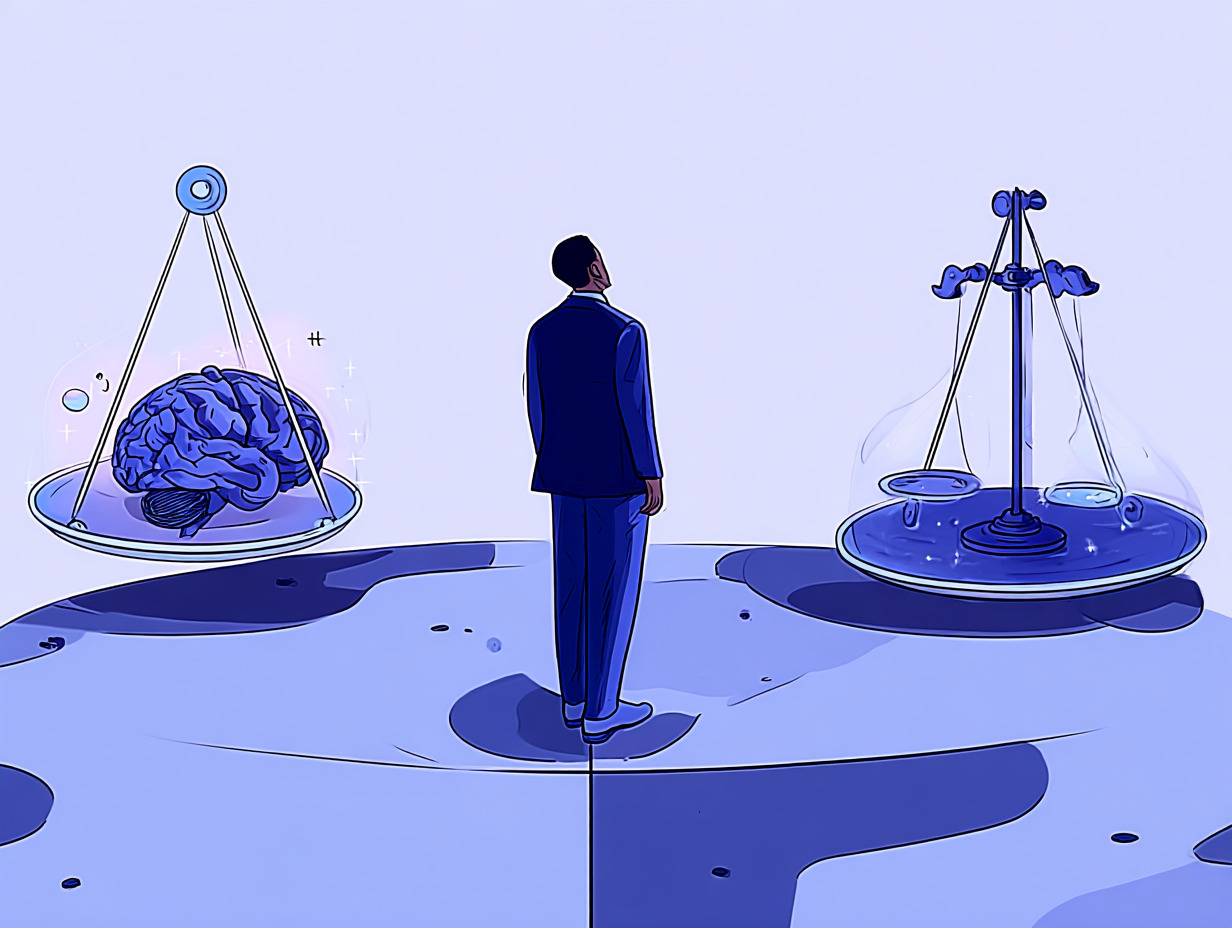
A forensic psychologist is a licensed mental health professional who applies psychological science to legal questions. They don’t act as a therapist for the person being evaluated; instead, they provide objective assessments to help courts, attorneys, or agencies understand how mental and behavioral factors relate to a legal issue.
In this article, you’ll learn what forensic psychologists do, what to expect during an evaluation, how confidentiality works in legal contexts, and how to find a qualified expert in your state. Whether you’re facing a court-ordered assessment or simply curious about the profession, this guide breaks down the process in clear, trustworthy language - with insights from U.S. psychological and ethical standards.
Disclaimer: This article is for informational purposes only and does not provide legal or medical advice.
If you’re in crisis, call or text 988 (Suicide and Crisis Lifeline) in the U.S. If you’re in immediate danger, call 911.
What Is a Forensic Psychologist and When Are They Involved?
A forensic psychologist bridges two worlds: psychology and law. Their job is to apply psychological knowledge to questions that arise in courtrooms, correctional settings, and legal investigations. They don’t decide guilt or innocence - instead, they help judges, juries, and attorneys understand how a person’s mental state, history, or behavior might relate to a legal issue.
Understanding the Role
In most cases, forensic psychologists are asked to provide evaluations, expert testimony, or consultation. The American Psychological Association defines forensic psychology as the application of psychological principles to legal questions in both civil and criminal settings. This can include:
-
Competency evaluations: determining whether a person can understand legal proceedings and assist their attorney.
-
Criminal responsibility assessments: evaluating whether a mental disorder affected someone’s actions at the time of a crime.
-
Risk assessments: estimating the likelihood of future violence or reoffending.
-
Child custody evaluations: helping courts decide what arrangement best serves a child’s psychological well-being.
-
Sentencing or mitigation evaluations: providing insight into mental health factors that may inform judicial decisions.
These evaluations are evidence-based, relying on structured interviews, standardized psychological testing, and review of relevant records.
When Forensic Psychologists Step In
Forensic psychologists become involved when a legal decision requires psychological input. Attorneys, judges, or correctional systems might request their expertise to clarify issues such as:
-
“Is this person competent to stand trial?”
-
“Does a mental illness explain or influence this behavior?”
-
“What is the individual’s risk of harming themselves or others?”
They may also consult with law enforcement, provide training on mental health awareness, or assist in jury selection through behavioral insights.
Objectivity and Ethics
Here’s the key point: forensic psychologists are neutral experts. Their ethical duty is to the court, not to either side of the case or the person being evaluated. That means their role differs from a therapist’s - they don’t build ongoing relationships, offer treatment, or provide emotional support. Instead, they interpret psychological data objectively, using research and standardized methods to support their opinions.
The American Board of Forensic Psychology (ABFP) emphasizes this impartiality as essential to maintaining credibility in legal settings. Every report and testimony must clearly distinguish between facts, inferences, and professional opinions.
Where They Work
Forensic psychologists practice in a variety of environments, including:
-
State and federal courts
-
Correctional institutions and forensic hospitals
-
Private practices specializing in forensic assessment
-
Law enforcement or consulting agencies
-
Academic and research institutions
Some also serve as expert witnesses, testifying about psychological findings in civil or criminal cases.
A forensic psychologist’s job is not to diagnose or label someone but to help the legal system understand behavior through psychological science.

What Happens During a Forensic Psychological Evaluation?
If you’ve been told you’ll be meeting with a forensic psychologist, it’s natural to feel uneasy. You might wonder what will happen, what you’re expected to say, or whether your words could be misunderstood. Understanding the evaluation process can help you prepare and reduce anxiety.
A forensic psychological evaluation is not therapy - it’s an objective, structured process used to answer specific legal questions. According to the American Psychological Association, these evaluations rely on psychological testing, clinical interviews, and collateral information to form professional opinions grounded in science.
Step 1: Clarifying the Referral Question
Every forensic evaluation begins with a clear legal purpose. The psychologist is hired or appointed to address one or more specific questions, such as:
-
Is the person competent to stand trial?
-
Was the person mentally responsible at the time of the offense?
-
What is the person’s risk for future violence or self-harm?
-
In custody cases, what parenting arrangement best serves the child’s psychological interests?
The psychologist’s report will focus only on answering these questions - not on diagnosing or providing treatment.
Step 2: Informed Consent and Explanation of Limits
Before the evaluation starts, the forensic psychologist explains the process and clarifies confidentiality boundaries. This is crucial, because forensic evaluations are not private in the same way therapy sessions are.
You’ll be informed that what you say may appear in a written report or be presented in court. You’ll also have the chance to ask questions about the process before agreeing to proceed.
In forensic contexts, the “client” is typically the court or referring agency, not the person being evaluated. This changes the confidentiality rules that apply.
Step 3: Interviews and Psychological Testing
Next comes the clinical interview, which can last several hours or even multiple sessions. The psychologist may ask about:
-
Personal and medical history
-
Education and work background
-
Family relationships
-
Past mental health or substance use issues
-
The specific situation or alleged offense
The goal is to understand how your thoughts, emotions, and behaviors connect to the legal questions at hand - not to judge or assign guilt.
The psychologist may also administer standardized psychological tests. These can include:
-
Personality inventories (e.g., MMPI-2, PAI)
-
Cognitive or neuropsychological assessments
-
Structured interviews for psychiatric symptoms
-
Specialized risk-assessment tools (e.g., HCR-20, Static-99R)
These instruments provide objective data to support professional conclusions.
Step 4: Collateral Information and Record Review
A forensic evaluation also involves gathering outside information. The psychologist may review:
-
Medical and psychiatric records
-
Police reports or witness statements
-
Academic or employment files
-
Prior psychological evaluations
Collateral sources - such as family members, teachers, or supervisors - may also be interviewed (with appropriate authorization). This ensures that the psychologist’s opinion is based on multiple data points, not just self-reporting.
Step 5: Integration and Report Writing
Once all data are collected, the psychologist integrates findings to form an evidence-based opinion. The final report usually includes:
-
Background information (history and context)
-
Behavioral observations
-
Test results and interpretations
-
Summary and professional opinions
-
Answers to the legal referral question(s)
Reports are written for clarity, objectivity, and transparency, following standards from the American Board of Forensic Psychology (ABFP) and the APA Ethics Code.
Step 6: Testimony or Feedback
In many cases, the forensic psychologist provides expert testimony to help the court interpret findings. Other times, the report is submitted directly to the judge or attorneys. If you’re part of the evaluation, you typically receive feedback through your attorney rather than directly from the psychologist.
At every stage, the evaluator’s responsibility is to remain neutral and fact-based. Their opinions must be grounded in data, not advocacy.
Is What I Say Confidential? Ethics, Reports, and the Court
One of the most common and understandable concerns people have before meeting a forensic psychologist is, “Will what I say be kept private?” The short answer: not in the same way as therapy. Confidentiality in forensic psychology follows a very different set of rules because the purpose is legal evaluation, not treatment.
Let’s take a closer look at how this works and what protections - and limits - exist.
How Confidentiality Works in Forensic Psychology
In therapy, your sessions are protected by strict confidentiality laws (HIPAA), and your counselor cannot share details without your consent except in rare safety emergencies.
In a forensic evaluation, however, the psychologist’s client is the court or requesting agency, not the person being evaluated. This means your information is collected for the purpose of helping the legal system answer a question - such as your mental state, competency, or level of risk.
The evaluator must share findings in a report or testimony. This report might be read by attorneys, judges, and sometimes probation officers or correctional staff. You’ll usually be informed of this in writing before the evaluation begins through a document called informed consent.
A forensic psychologist cannot keep information private if it’s relevant to the legal question they were asked to address. However, they are required to include only necessary details and to maintain professional ethics and respect in how that information is presented.
Ethical Standards and Legal Duties
According to the American Psychological Association’s (APA) Specialty Guidelines for Forensic Psychology, psychologists must balance two ethical responsibilities:
-
Accuracy and honesty - providing truthful, evidence-based information to the legal system.
-
Respect for individuals - minimizing potential harm and avoiding unnecessary disclosure of sensitive material.
These guidelines also require that psychologists:
-
Explain confidentiality limits clearly before beginning.
-
Avoid dual roles (for example, being both a therapist and evaluator for the same person).
-
Remain impartial and avoid advocacy for either side in a legal case.
If a forensic psychologist were to withhold findings that could influence a court decision, they could violate ethical and legal standards.
What Goes Into the Final Report
The forensic report is a key part of the process and typically includes:
-
The purpose of the evaluation
-
The methods used (interviews, tests, records)
-
Findings based on psychological data
-
Professional opinions relevant to the referral question
Reports are written to be objective, meaning they include facts, test results, and explanations for how conclusions were reached. Personal opinions or value judgments are avoided.
In some situations, your attorney may review the report before it’s submitted to court and can raise questions or concerns.

What If You Disagree With the Evaluation?
If you feel the report doesn’t accurately reflect your experience, you can speak with your attorney about requesting a second opinion or independent evaluation. This is common in complex cases - such as those involving criminal responsibility or custody disputes - and is fully within your rights.
Remember, forensic psychologists are expected to base conclusions on multiple data sources, so factual errors or differing interpretations can sometimes occur. Seeking a second evaluation helps ensure fairness and transparency.
Boundaries Around Communication
Unlike therapy, you generally won’t have ongoing communication with the forensic psychologist after the evaluation. They can’t offer advice, emotional support, or personal guidance outside the scope of the legal question.
If the process leaves you feeling stressed or anxious, it’s appropriate - and wise - to reach out to a licensed therapist who’s independent from the court process. Therapy can help you process feelings about the evaluation without affecting legal proceedings.
If you’re in distress or having thoughts of harming yourself, call or text 988 (Suicide and Crisis Lifeline). In an emergency, call 911.
What Skills and Education Does a Forensic Psychologist Need?
Becoming a forensic psychologist takes years of advanced education, clinical experience, and ethical training. It’s not a quick path - but for those drawn to the intersection of psychology and law, it can be deeply meaningful work. Understanding the qualifications helps clarify why courts rely on these professionals for some of the most complex human judgments.
Educational Pathway
Most forensic psychologists in the United States hold a doctoral degree - either a Ph.D. (Doctor of Philosophy) or a Psy.D. (Doctor of Psychology) - in clinical or counseling psychology, often with specialized coursework or supervised experience in forensic settings.
Here’s what the process typically looks like:
-
Bachelor’s degree (4 years): Often in psychology, criminology, or a related field.
-
Graduate school (5–7 years): Includes training in psychological assessment, research methods, psychopathology, and ethics.
-
Doctoral dissertation: A major research project, often focused on mental health and the law.
-
Supervised internship: At least one year in a clinical or forensic environment such as a correctional facility, state hospital, or court clinic.
-
Postdoctoral supervision: One to two additional years of supervised forensic experience (varies by state).
To legally practice, psychologists must also pass the Examination for Professional Practice in Psychology (EPPP) and obtain state licensure.
Not every psychologist who works in court is a “forensic psychologist.” The title is generally reserved for those with specialized training and experience in legal applications of psychology.
Specialized Training and Certification
After licensure, many professionals pursue board certification through the American Board of Professional Psychology (ABPP), specifically in Forensic Psychology (ABFP). This credential demonstrates expertise in forensic assessment, testimony, and ethics.
Certification involves:
-
Documenting years of forensic experience
-
Submitting work samples (e.g., reports, testimony transcripts)
-
Passing a written and oral examination
Holding ABFP certification signals a high level of competence and adherence to best practices recognized nationwide.
Core Skills Required
Forensic psychology demands a rare blend of scientific, interpersonal, and analytical skills. Common competencies include:
| Skill Area | Why It Matters in Forensic Work |
| Analytical reasoning | Evaluating evidence and drawing objective conclusions. |
| Clinical assessment | Using standardized psychological tools to evaluate behavior and cognition. |
| Communication | Explaining findings clearly in written reports and courtroom testimony. |
| Emotional regulation | Remaining calm and impartial in emotionally charged legal contexts. |
| Ethical judgment | Following professional codes despite external pressure. |
| Cultural competence | Recognizing how culture, identity, and systemic bias affect perception and behavior. |
When and Why Someone Might Work With a Forensic Psychologist
Most people never expect to meet a forensic psychologist until life suddenly takes a legal turn - a court order, custody dispute, or criminal charge. These situations can be stressful and confusing, especially when mental health becomes part of a legal decision. Understanding when and why forensic psychologists get involved can ease some of that uncertainty.
Criminal Cases
In the criminal justice system, forensic psychologists help courts understand the connection between mental health and legal responsibility. They may be asked to evaluate questions like:
-
Is this person competent to stand trial - can they understand court proceedings and work with their attorney?
-
Was the person legally sane or insane at the time of the alleged offense?
-
Does the person present a risk of future violence if released?
Their assessments can affect major outcomes such as trial continuation, sentencing, or treatment recommendations.
For example, according to the American Psychological Association, competency evaluations must address a defendant’s ability to comprehend charges, understand potential penalties, and assist in their defense. The psychologist’s goal is not to excuse behavior but to ensure that justice is carried out fairly and ethically.
Civil Cases
In civil law, forensic psychologists often evaluate emotional distress claims, capacity for decision-making, or the psychological impact of trauma. Examples include:
-
Personal injury cases, where they assess the psychological effects of accidents or workplace harm.
-
Guardianship or conservatorship cases, where they determine whether an adult can manage finances or medical decisions.
-
Employment discrimination suits, where mental health evidence may be relevant to damages or workplace conditions.
Their testimony helps courts understand how psychological factors influence functioning, responsibility, or recovery.
Family and Juvenile Cases
Family courts frequently use forensic psychologists in child custody, parental fitness, and child welfare evaluations. These assessments focus on the best interests of the child, using interviews, observations, and testing to guide decisions about living arrangements or visitation.
In juvenile courts, forensic psychologists may evaluate whether a youth can be tried as an adult, their capacity for rehabilitation, or their psychological needs during detention.
Here’s the thing - these professionals don’t decide outcomes. They offer objective information so judges and legal teams can make informed choices that balance safety, fairness, and development.
Correctional and Law Enforcement Settings
Forensic psychologists also work within prisons, probation systems, and police departments. They may:
-
Provide risk assessments to inform parole decisions.
-
Develop treatment programs for offenders with substance use or mental health conditions.
-
Train officers to recognize and de-escalate mental health crises.
-
Conduct fitness-for-duty evaluations for law enforcement personnel.
In these settings, they help balance public safety with rehabilitation and ethical standards.
Civil Commitment and Competency Restoration
When someone is found not competent to stand trial, a forensic psychologist may recommend competency restoration treatment - structured education and therapy designed to help the person understand the court process.
They may also participate in civil commitment hearings, where courts decide whether someone should be hospitalized involuntarily for safety reasons.
These are sensitive cases, and psychologists must ensure recommendations are grounded in evidence, not stigma.
Forensic psychologists don’t “side” with defendants or victims. Their duty is to the truth - supported by data, ethics, and law.
Community and Preventive Roles
Outside courtrooms, forensic psychologists sometimes contribute to policy development, violence prevention programs, or training for judges and attorneys on trauma-informed approaches.
Their insights help shape fairer systems that recognize how mental health affects behavior and justice outcomes.
How Do I Find a Qualified Forensic Psychologist in My State?
If you’ve been told that you need a forensic psychological evaluation - or if you’re an attorney or family member helping someone through that process - finding the right professional can feel overwhelming. Because this field blends psychology and law, it’s crucial to work with someone properly trained, licensed, and impartial.
Here’s a step-by-step guide to locating a qualified forensic psychologist in the United States.
1. Verify Licensure and Credentials
Every practicing forensic psychologist must hold a state-issued license to practice psychology. You can confirm this through your state’s Board of Psychology website. Most boards offer an online lookup tool that shows:
-
Active license status
-
Disciplinary history (if any)
-
Degree and training details
You can also look for board certification through the American Board of Professional Psychology (ABPP), specifically under the American Board of Forensic Psychology (ABFP). This credential indicates advanced expertise and adherence to national ethical and practice standards.
Forensic evaluations should never be conducted by unlicensed individuals or by therapists who also serve as your treating clinician in the same legal matter - that’s a conflict of interest under APA ethics.
2. Check Experience in the Relevant Legal Area
Not all forensic psychologists handle every type of case. Look for someone whose experience matches your legal situation:
-
Criminal law: Competency, sanity, or risk assessments.
-
Family law: Custody or parental fitness evaluations.
-
Civil litigation: Personal injury, capacity, or emotional distress claims.
-
Correctional or employment cases: Fitness-for-duty or parole assessments.
You can ask questions like:
-
“How many cases like mine have you worked on?”
-
“Do you have courtroom testimony experience?”
-
“Are you familiar with local courts or attorneys?”
Their ability to answer clearly and without bias is a good sign of professionalism.
3. Use Trusted Directories
Several reputable sources can help you find a vetted forensic psychologist:
-
American Academy of Forensic Psychology (AAFP): Offers a searchable directory of diplomates.
-
APA’s Psychologist Locator: Filter by forensic specialization and state.
-
Psychology Today Therapist Finder: Use filters such as “forensic psychology” or “legal evaluations” (check credentials carefully).
-
State psychological associations: Many maintain lists of licensed forensic practitioners.
Be cautious of listings that lack full credentials, degree details, or license numbers.
4. Confirm Neutrality and Ethical Practice
A forensic psychologist’s credibility depends on objectivity. They must stay neutral, even if hired by one side of a case. When interviewing potential evaluators, ask:
-
“How do you ensure impartiality in your evaluations?”
-
“What steps do you take to avoid bias?”
-
“Can you describe how you disclose findings to all parties?”
Look for professionals who emphasize ethics, transparency, and evidence-based reasoning rather than advocacy.
5. Understand the Evaluation Process and Costs
Before agreeing to an evaluation, request a written agreement or informed consent form that explains:
-
Purpose of the evaluation
-
What will happen during interviews or testing
-
Who will receive the final report
-
Estimated timeline
-
Fees and payment responsibilities
Forensic evaluations can be expensive - typically $2,000–$6,000 or more - because they require extensive testing, document review, and report writing. Some courts or public agencies may cover the cost if the evaluation is court-ordered.
If you have insurance, note that forensic services are rarely reimbursed since they’re considered legal rather than medical.
6. Red Flags to Avoid
Be wary of anyone who:
-
Promises a specific outcome (e.g., “I’ll make sure you win custody”)
-
Refuses to provide written policies on confidentiality and data handling
-
Offers both therapy and forensic evaluation for the same case
-
Has unclear or expired licensure
Ethical forensic psychologists will always define boundaries, maintain transparency, and explain your rights clearly.
7. If You Feel Overwhelmed
It’s completely normal to feel anxious about involving a mental health professional in a legal matter. If you need emotional support during the process, consider seeing a separate licensed therapist - someone independent of the court case - for counseling and stress management.
If you ever feel unsafe, hopeless, or in crisis, call or text 988 (Suicide and Crisis Lifeline). In immediate danger, dial 911.

References
1. American Psychological Association. What Is Forensic Psychology?. 2022.
2. American Board of Forensic Psychology. Board Certification in Forensic Psychology. 2023.
3. American Academy of Forensic Psychology. Find a Forensic Psychologist. 2024.
4. American Psychological Association Ethics Office. Ethical Principles of Psychologists and Code of Conduct. 2017.
5. National Institute of Justice. The Role of Forensic Psychology in the Criminal Justice System. 2023.
6. American Psychology–Law Society. American Psychology–Law Society (APA Division 41). 2024.
7. Substance Abuse and Mental Health Services Administration. 988 Suicide and Crisis Lifeline. 2023.
Conclusion
Forensic psychology sits at the unique crossroads of human behavior and the law. These professionals help courts and communities make fair, informed decisions when mental health intersects with justice. Whether assessing competency, evaluating parental fitness, or consulting with law enforcement, forensic psychologists bring science, ethics, and empathy into spaces where clarity is often hard to find. If you ever need to work with a forensic psychologist, remember that you have the right to understand their qualifications, the purpose of the evaluation, and how your information will be used. Transparency and professionalism are the cornerstones of ethical forensic practice. If you’re struggling emotionally during any legal process, you’re not alone - confidential support is available. In the U.S., you can call or text 988 for the Suicide and Crisis Lifeline. If you’re in immediate danger, dial 911.
Frequently Asked Questions
What exactly does a forensic psychologist do?
A forensic psychologist applies psychological science to legal issues. They conduct evaluations for courts, testify as expert witnesses, and help judges and juries understand how mental health affects behavior and decision-making.
Is a forensic psychologist the same as a criminal profiler?
Not exactly. While some forensic psychologists consult on criminal cases, most focus on assessments and expert testimony rather than profiling. Profiling is a small, specialized area within the broader field.
Do forensic psychologists treat patients?
Generally, no. Forensic psychologists conduct evaluations rather than therapy. Their goal is to provide objective findings for the court, not to offer treatment or counseling.
How can I tell if a forensic psychologist is credible?
Look for an active state psychology license and, ideally, board certification through the American Board of Forensic Psychology. Ethical professionals are transparent about their qualifications and neutral in their work.
Can a forensic psychologist testify in court?
Yes. Forensic psychologists are often called as expert witnesses to explain psychological findings, such as competency, risk, or trauma impact, in terms the court can understand.
What if I disagree with a forensic psychologist’s report?
You can request an independent evaluation or have your attorney question the expert’s methods or conclusions in court. Ethical forensic practice allows for review and transparency of the evidence base used.