What Does a Child Psychologist Do — and When Should You See One?
/https://freudly.ai/media/pages/images/0cc63709-9030-45e2-a127-9c41d74e2bfc.png "What Does a Child Psychologist Do — and When Should You See One?")
Every parent wants their child to thrive, but sometimes it’s hard to know when worry crosses into something more. Maybe your child’s moods have shifted, school has become a struggle, or bedtime battles seem endless. These moments can leave even the most caring parents feeling unsure and anxious.
A child psychologist helps children and families understand these emotional and behavioral changes. Through conversation, play, and structured activities, they explore what’s driving a child’s reactions and help develop healthier ways to cope. Unlike quick fixes, their work focuses on building resilience, communication, and emotional balance over time.
In this guide, you’ll learn what a child psychologist actually does, how child therapy works, which signs suggest it might be time to seek help, and what to expect once you begin. You’ll also find guidance on supporting your child between sessions and choosing the right professional in the United States. Whether your concern is small or serious, you’ll see that help for your child - and for you - is within reach.

What a Child Psychologist Actually Does
The Heart of Their Work
At its core, a child psychologist helps children make sense of their thoughts, feelings, and behaviors in a safe, age-appropriate way. They assess how emotional and social development unfold, looking for patterns that might be causing distress at home, school, or with peers. The goal isn’t to “fix” a child - it’s to understand what’s happening beneath the surface and equip both the child and family with tools for healthy adjustment.
Here’s the thing: young children don’t always express emotions through words. They might act out, withdraw, or complain of stomachaches when something feels wrong. A child psychologist interprets these cues and uses structured activities, drawings, and games to uncover what the child may be feeling but can’t yet say.
When School or Home Behavior Raises Concern
Many families first consider therapy after noticing consistent struggles such as anger outbursts, sudden fear of going to school, or declining grades. Others come because a teacher or pediatrician suggested evaluation. In either case, the child psychologist starts with observation and conversation - sometimes with the child, sometimes with parents - to understand daily life patterns.
Children may be referred for issues like:
- persistent anxiety or sadness;
- trouble focusing or completing tasks;
- frequent nightmares or separation distress;
- aggression, defiance, or social withdrawal;
- major life changes, such as divorce, grief, or relocation.
The Difference Between Psychologists, Psychiatrists, and Counselors
Parents often wonder who to contact first. While these roles can overlap, each serves a distinct function in children’s mental health care.
| Professional Type | Education & Training | Can Prescribe Medication? | Typical Focus |
|---|---|---|---|
| Child Psychologist | Doctoral degree (Ph.D. or Psy.D.) in psychology; extensive training in child development and therapy | No | Emotional, behavioral, and learning assessment; therapy for children and families |
| Child Psychiatrist | Medical degree (M.D. or D.O.) with psychiatric residency | Yes | Medical management of conditions like ADHD, anxiety, or depression |
| Counselor or Therapist | Master’s degree (M.A., M.S., or M.Ed.); licensed in mental health counseling or social work | No | Short-term support, coping skills, and family communication strategies |
Child psychologists often collaborate with these professionals. For example, they may coordinate with a psychiatrist about medication options or work alongside a school counselor to support behavior plans. This teamwork ensures care is comprehensive and aligned with the child’s needs.
Why It Matters
Understanding these roles empowers parents to make informed decisions. A child psychologist bridges emotional insight with practical strategies - helping families move from confusion to confidence. Early support not only resolves current issues but also builds long-term resilience, giving children the foundation to handle future challenges.
How Child Therapy Works in Practice
First Sessions and Assessment
The first meeting with a child psychologist is less about labels and more about understanding. Parents often attend the initial session to discuss concerns, family background, and what’s been happening at home or school. The psychologist then meets the child one-on-one, using conversation, play, or art to observe emotional expression and coping skills.
Unlike medical exams, these assessments are gentle and interactive. The psychologist may ask about friendships, favorite activities, or what a “good day” looks like. They’re watching for patterns - how the child handles frustration, communicates feelings, or reacts to stress. When needed, standardized tests (for learning, attention, or mood) help form a clearer picture.
By the end of the assessment, the psychologist explains the findings to parents in plain language. Together, they agree on goals, such as improving emotional regulation, reducing anxiety, or strengthening parent-child communication.
Common Therapeutic Methods
Child psychologists use a variety of evidence-based approaches tailored to developmental level and personality. Some of the most common include:
- Play therapy: For younger children, toys and art materials act as language. Through symbolic play, the psychologist helps the child express emotions and rehearse solutions to problems.
- Cognitive Behavioral Therapy (CBT): For older children, CBT helps them identify unhelpful thoughts (“I’ll fail anyway”) and replace them with balanced ones.
- Parent-Child Interaction Therapy (PCIT): This structured method teaches parents how to reinforce positive behavior and manage misbehavior calmly and consistently.
- Family therapy: Sometimes, the focus shifts from the child to family communication patterns.
- Mindfulness and relaxation training: Breathing, grounding, or visualization exercises that help kids calm their bodies and regain focus.
Each method encourages growth through small, achievable steps. The psychologist may assign “home practice,” such as using a calm-down corner or a feelings chart, so progress continues between sessions.
Parent Involvement and Feedback Loops
Parental participation is not just welcome - it’s essential. Children make the most progress when caregivers learn and apply the same skills at home. A child psychologist will often schedule periodic parent sessions to review what’s working and where adjustments are needed.
These discussions might cover:
- effective ways to respond to meltdowns;
- consistent routines to support emotional safety;
- communication strategies that encourage openness rather than resistance.
Many psychologists also coordinate with teachers or pediatricians, ensuring that everyone involved shares the same understanding of the child’s needs. This collaboration transforms therapy from an isolated appointment into a supportive network that surrounds the child.
Therapy is not a quick fix. Progress can take weeks or months, depending on the child’s challenges and environment. The goal isn’t perfection - it’s progress toward stability, confidence, and healthy coping.
The Bigger Picture
Here’s the thing: child therapy works best when it feels like teamwork. The psychologist guides the process, but families provide the daily practice that brings the lessons to life. When everyone participates, children learn that emotions can be managed, problems can be solved, and support is something safe to ask for.
Signs It Might Be Time to See a Child Psychologist
Emotional and Behavioral Red Flags
Every child experiences ups and downs, but some patterns signal deeper distress. Occasional tantrums or mood swings are normal, especially during transitions like starting school or moving homes. However, when these reactions become frequent, intense, or prolonged, they may suggest that your child needs professional support.
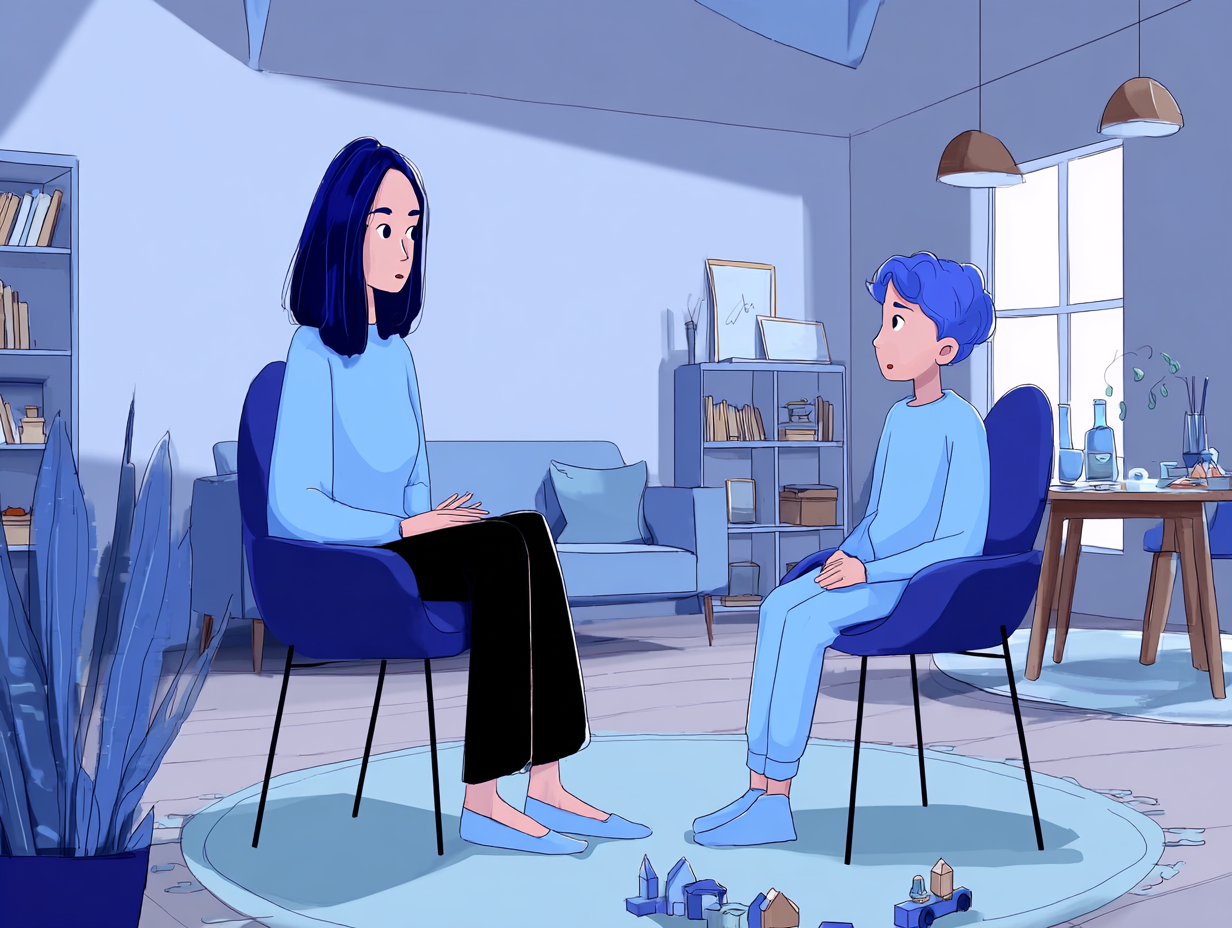
Common emotional signs include:
- persistent sadness or tearfulness;
- frequent fears, worries, or nightmares;
- sudden clinginess or separation anxiety;
- loss of interest in play or friends.
Common behavioral signs include:
- aggression or defiance beyond typical frustration;
- trouble concentrating or completing schoolwork;
- sleep or appetite changes;
- regression, such as bedwetting or baby talk after milestones were achieved.
The American Psychological Association (APA) notes that when emotional distress interferes with school, friendships, or family life for more than two weeks, an evaluation can help determine next steps. In a crisis, call or text 988 (Suicide & Crisis Lifeline). If there’s immediate danger, dial 911.
Common Concerns vs. When to Seek Professional Help
| Concern or Behavior | Typical Range | When to Seek Professional Help |
|---|---|---|
| Occasional tantrums | Happens in early childhood as part of emotional learning | If tantrums occur daily or involve self-harm, aggression, or prolonged distress |
| Fear of new situations | Normal adjustment phase, especially during changes | If fear limits social activities, school attendance, or independence |
| Shyness or quietness | Many children are naturally reserved | If withdrawal leads to isolation, sadness, or communication loss |
| Difficulty focusing | Common when tired or overstimulated | If inattention persists across settings (home and school), consider evaluation for ADHD or anxiety |
| Mood changes after stress | Short-term sadness after events like moving or loss | If mood remains low for weeks or child expresses hopelessness |
| Sleep issues | Temporary after excitement or worry | If chronic nightmares, insomnia, or exhaustion affect daily life |
This table helps parents notice patterns instead of isolated events. The key is duration and impact: how long the issue lasts and how much it disrupts functioning.
How to Differentiate Normal Stress from Deeper Issues
Here’s the thing: growth often brings friction. Children learning new skills - reading, forming friendships, handling frustration - naturally test limits. What distinguishes everyday stress from deeper concern is persistence and intensity. If a behavior lasts more than a few weeks or seems to worsen, it’s worth consulting a psychologist.
Pay special attention if:
- your child talks about not wanting to live, disappear, or harm themselves;
- you notice self-isolation or sudden drop in academic performance;
- your intuition says something feels “off” despite reassurance from others.
You don’t have to diagnose the problem - that’s the psychologist’s role. Your job is simply to notice, reach out, and start the conversation early.
When to Act Quickly
If your child expresses hopelessness, self-harm, or aggressive behavior toward others, seek help right away. Call 988 for immediate mental health support or 911 if danger is imminent. Most communities also have child crisis hotlines or hospital programs that can provide urgent evaluation.
Early intervention often prevents problems from escalating. As the CDC and NIMH emphasize, timely care can improve school performance, emotional regulation, and long-term resilience.
Encouraging Hope and Perspective
Seeing concerning behaviors doesn’t mean something is “wrong” with your child - it means they’re struggling and need guidance. With the right support, children can recover quickly and even emerge stronger. Recognizing these signs isn’t a failure of parenting; it’s an act of protection and love.
What to Expect During the Process
How Confidentiality Works for Children and Families
One of the first questions parents ask is, “Will I know what my child tells you?” In child therapy, confidentiality is shared - but within thoughtful limits. A child psychologist keeps most of what your child says private, creating a safe space for honest expression. However, they’ll share themes and progress updates that help parents support change at home.
If the psychologist believes a child is at risk of harm - to themselves or others - they’re legally required to break confidentiality to ensure safety. This standard follows both HIPAA regulations and state laws.
Most clinicians explain these rules clearly during the first meeting, so everyone understands what’s private and what must be shared. Many families find that this balance strengthens trust rather than undermines it.
Coordination With Schools and Pediatricians
Therapy doesn’t happen in a vacuum. A child psychologist often collaborates with teachers, counselors, and pediatricians to create a unified plan of care.
For instance:
- a school counselor may track classroom progress or behavior;
- a pediatrician might rule out sleep or nutrition issues affecting mood;
- the psychologist coordinates goals and communicates progress with parental consent.
This coordination ensures that your child receives consistent support across environments. It also reduces mixed messages - so the strategies used at home, school, and therapy complement each other instead of clashing.
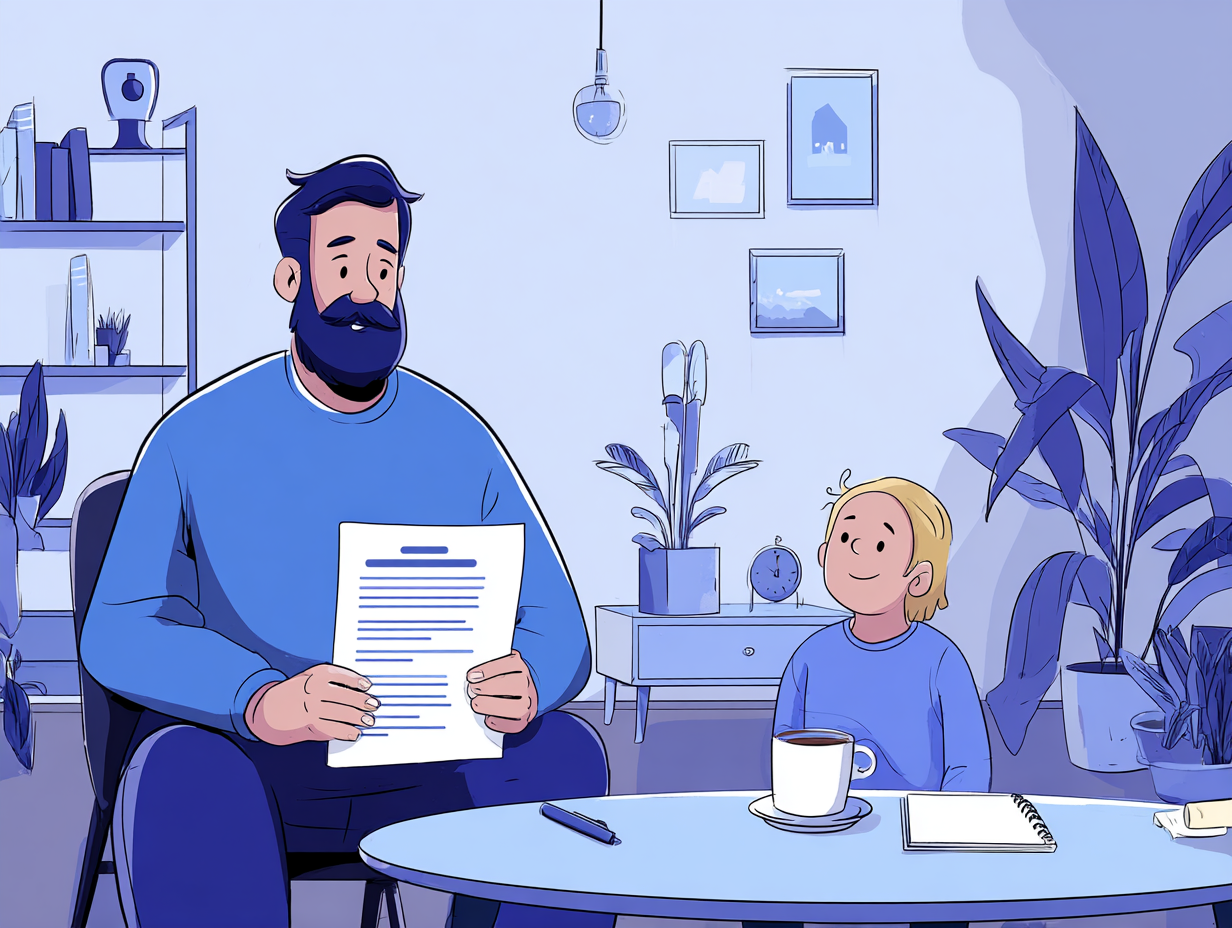
Frequency, Duration, and Cost Expectations
Most therapy sessions last about 45–50 minutes, once per week at first. As progress builds, sessions may shift to every other week or monthly check-ins. Some children complete therapy in a few months, while others benefit from ongoing support, especially if the concern is linked to trauma or developmental challenges.
Costs vary by region and insurance coverage. In the United States:
- In-network therapy: $20–$40 average copay per session;
- Out-of-network or private pay: typically $120–$200 per hour;
- Community clinics and university centers: offer sliding-scale fees or supervised intern sessions.
Before scheduling, ask your provider about telehealth options, coverage limits, and reimbursement forms. Many plans now include virtual visits for convenience.
What a Typical Session Looks Like
Sessions with children are more interactive than adult talk therapy. A psychologist may use:
- drawing, storytelling, or games to help express feelings;
- role-play to practice social skills or conflict resolution;
- relaxation or breathing exercises for anxiety management.
Parents are often invited at the start or end of each session for a brief update. Over time, you’ll learn how to reinforce progress at home - like using praise for effort, not outcome, or validating feelings before offering solutions.
When Challenges Arise
Sometimes therapy progress stalls or your child resists attending. That’s normal. Change can feel uncomfortable at first, especially when therapy touches on difficult emotions. Openly share these reactions with the psychologist - they’ll adjust methods or pacing accordingly.
If your family ever disagrees with recommendations, it’s okay to discuss this directly. A good child psychologist welcomes collaboration, not compliance. The process works best when all voices are heard.
Supporting Your Child Between Sessions
Communication Strategies That Build Trust
What happens between therapy sessions often matters as much as the sessions themselves. Children progress faster when parents create a calm, predictable environment at home. One of the most effective tools is empathic communication - listening more than advising.
Try simple phrases like:
- I can see that was really hard for you.
- It’s okay to feel upset. I’m here.
- What do you think might help next time?
These statements validate emotions without judgment, teaching your child that feelings are safe to express. Avoid interrogating (“Why did you do that?”) or minimizing (“It’s not a big deal”). The goal is connection before correction.
Encouraging Emotional Expression and Resilience
Children who can name their feelings manage them more effectively. A child psychologist might recommend tools like:
- Feelings charts: visual guides to help children label emotions;
- Storytelling: turning experiences into short stories helps children gain perspective;
- Daily check-ins: one-minute conversations about “something good” and “something tricky” each day.
Building resilience doesn’t mean shielding your child from stress - it means teaching coping skills. When challenges arise, model calm problem-solving: take a breath, describe the problem, and brainstorm solutions together.
Here’s the thing: kids don’t learn emotional regulation from lectures; they learn by watching you manage your own frustration and recovery.

Modeling Self-Care as a Parent
Children notice more than we realize. If you’re exhausted, anxious, or overwhelmed, your child senses it. Prioritizing your own self-care - sleep, exercise, connection with friends - creates emotional stability for the whole family. It also teaches by example that caring for oneself isn’t selfish; it’s healthy.
Some parents find it helpful to schedule their own check-ins with a counselor or parenting group. The American Psychological Association highlights that parents who receive support are better able to stay patient and responsive under stress.
Maintaining Consistency Across Settings
Consistency builds security. Try to align routines and expectations between home, school, and therapy:
- use the same reward or calm-down strategies your psychologist recommends;
- communicate with teachers about progress;
- share any big life changes with your child’s therapist (new baby, move, divorce).
This shared framework helps children trust that the adults around them are working together - not sending mixed signals.
Celebrating Small Wins
Therapy success isn’t just measured by fewer meltdowns or better grades - it’s about progress you can feel: a calmer morning routine, quicker recovery after frustration, more laughter during dinner. Recognizing these small victories reinforces growth and builds motivation.
Finding a Qualified Child Psychologist in the U.S.
Where to Start Your Search
Finding the right fit matters as much as finding the right credentials. Fortunately, the United States offers several reliable ways to locate a licensed child psychologist:
- Psychology Today directory: allows you to filter by “child,” “adolescent,” or “family therapy,” as well as insurance type, telehealth, and cultural background;
- American Psychological Association (APA) Psychologist Locator: lists only licensed professionals with verified credentials;
- State psychological associations: many provide local referral databases;
- Pediatricians and school counselors: can recommend trusted clinicians experienced with children’s mental health.
When you reach out, ask if the psychologist has experience with your child’s age and specific concerns (for example, anxiety, ADHD, or family transitions).
What Questions to Ask During Consultation
Before committing, schedule a brief phone call or first visit. This conversation helps you sense the psychologist’s approach and how your child might respond to them.
Consider asking:
- How do you involve parents in therapy?
- What does a typical session look like for a child my child’s age?
- How do you handle confidentiality with families?
- What outcomes should we realistically expect?
- Do you offer teletherapy or in-person sessions?
A transparent psychologist welcomes these questions. You’re not interviewing to test them - you’re ensuring a comfortable and collaborative match for your family.
Insurance, Telehealth, and Cultural Fit
Most insurance plans in the U.S. cover outpatient mental health services, including therapy for children. Coverage varies, so confirm with your insurer about in-network providers, copays, and telehealth eligibility before scheduling.
Teletherapy has become a popular option, especially for rural families or those balancing tight schedules. Studies reviewed by the National Institute of Mental Health show that online therapy can be effective for children when parents stay actively involved.
Cultural and language fit also matter. A psychologist who understands your family’s values or speaks your child’s preferred language can help create a sense of safety and belonging. Don’t hesitate to ask about cultural competence or request referrals through community organizations.
When to Seek a Second Opinion
If therapy doesn’t feel right after several sessions, it’s okay to seek another perspective. Personalities differ, and sometimes a child connects better with a different approach or energy. Ethical psychologists respect this choice and may even recommend colleagues better suited to your needs.
The goal is not to find the “perfect” therapist but the one your child trusts enough to open up. Progress depends on connection as much as technique.
Empowerment Through Choice
Choosing a child psychologist is a proactive step toward family well-being. The process may seem daunting at first, but each question you ask brings clarity and confidence. Remember: seeking help is not an admission of failure - it’s an act of care that can shape your child’s resilience for years to come.
If at any point you or your child feel unsafe or overwhelmed, call or text 988 for the Suicide & Crisis Lifeline in the U.S. If immediate danger exists, dial 911. Compassionate, professional help is available 24/7.
References
1. American Psychological Association. Child Development and Psychology. 2023.
2. National Institute of Mental Health. Children’s Mental Health. 2023.
3. Centers for Disease Control and Prevention. Children’s Mental Health. 2023.
4. Mayo Clinic. Children’s Health: Behavior and Development. 2023.
5. Verywell Mind. What Is a Child Psychologist? 2024.
Conclusion
Children face a world that can sometimes feel too big, too fast, and too confusing. When emotions spill over into daily life, a child psychologist helps them slow down, name what they feel, and discover new ways to cope.
Therapy isn’t about labeling - it’s about giving families tools to reconnect and grow stronger together. Early support can prevent years of struggle and teach children that emotions, even the hard ones, are manageable.
If you ever worry that your child may be in danger or struggling with thoughts of self-harm, call or text 988 (Suicide & Crisis Lifeline). If there’s immediate danger, dial 911. Help is always available.
Frequently Asked Questions
What does a child psychologist do?
A child psychologist helps children understand and manage emotions, behavior, and learning challenges. Through play, conversation, and structured exercises, they assess development and guide children toward healthy coping strategies.
When should I take my child to see a psychologist?
If your child shows persistent sadness, anxiety, aggression, or withdrawal that interferes with school or home life for more than two weeks, it’s time to consult a professional. Early support often prevents problems from worsening.
What happens in child therapy sessions?
Sessions often include drawing, storytelling, or games that help children express feelings and practice coping skills. The psychologist may meet with parents separately to review progress and discuss strategies for home and school.
How can parents support therapy at home?
Stay consistent with routines, validate emotions, and model calm responses to stress. Communicate regularly with the psychologist to align goals and reinforce coping tools between sessions.
Is child therapy confidential?
Yes, though confidentiality has limits. Psychologists keep details private but share general progress updates with parents. They must disclose information only if the child is at risk of harm, following HIPAA and state laws.
Does insurance cover therapy for children in the U.S.?
Most insurance plans cover outpatient mental health services, including child therapy. Coverage varies, so confirm with your insurer about in-network providers, copays, and telehealth eligibility before scheduling.