Can Anxiety Cause Chest Pain? Understanding Anxiety Chest Pain and What It Means
Chest pain is one of the most alarming physical sensations a person can experience. Many people immediately worry about heart problems when they feel pressure, tightness, or sharp pain in the chest. Yet medical professionals frequently see another explanation behind these symptoms. Anxiety can cause chest pain, and this type of discomfort can feel just as intense and frightening as symptoms caused by physical illness.
For people living with anxiety disorders or panic attacks, chest pain may appear suddenly during moments of emotional stress. It can also happen when the body’s stress response activates even without an obvious trigger. Understanding how anxiety chest pain works helps people recognize their symptoms more clearly and decide when medical evaluation is necessary.
Anxiety-related chest discomfort is widely documented in clinical research. According to diagnostic guidelines in the Diagnostic and Statistical Manual of Mental Disorders, Fifth Edition, Text Revision, panic attacks and anxiety disorders often include strong physical symptoms such as chest pain, rapid heartbeat, shortness of breath, and dizziness. These sensations occur because anxiety activates the body’s biological stress systems.
Even though anxiety chest pain is common, it should never be ignored without medical evaluation. Chest pain can also signal serious conditions such as heart disease. Healthcare professionals recommend seeking medical assessment for new or unexplained chest pain to rule out physical causes before attributing symptoms to anxiety.
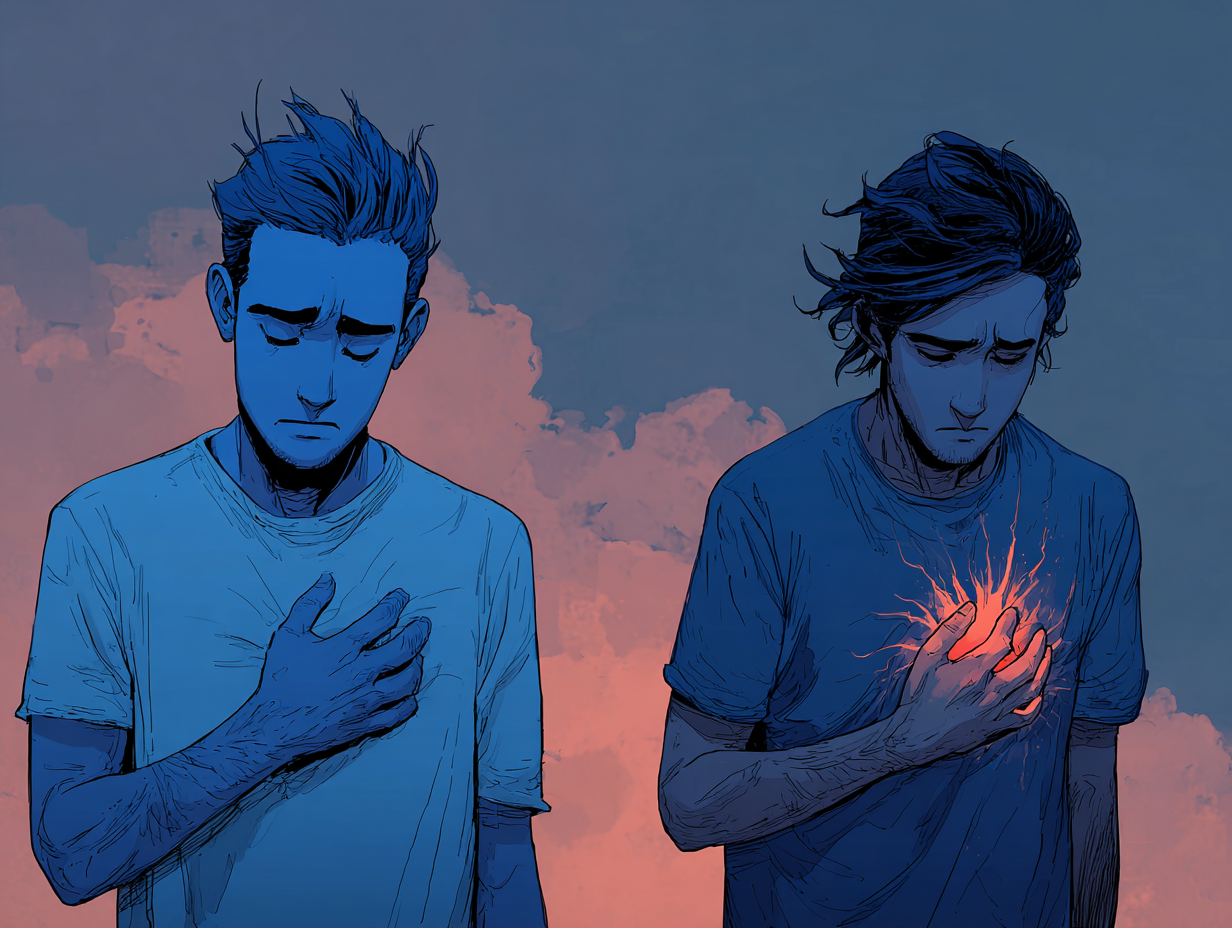
Can Anxiety Cause Chest Pain?
Yes. Anxiety can cause chest pain, and it is one of the most frequently reported physical symptoms during anxiety episodes and panic attacks. In emergency departments across the United States, a significant number of patients who seek help for chest pain ultimately receive diagnoses related to anxiety or panic disorders rather than cardiovascular disease.
When anxiety becomes intense, the brain activates a survival mechanism known as the stress response. This reaction prepares the body to deal with perceived threats. The nervous system releases stress hormones such as adrenaline and cortisol, which rapidly change how the heart, lungs, and muscles function.
These physical changes can create sensations that feel very similar to heart-related chest pain. As a result, many people experiencing anxiety chest pain believe they are having a heart attack, which often increases fear and intensifies the symptoms.
Anxiety chest pain can occur in several contexts:
- during panic attacks;
- during periods of chronic stress;
- when someone becomes hyperfocused on bodily sensations;
- in individuals with panic disorder or generalized anxiety disorder.
For some people, the first experience of anxiety chest pain occurs without any prior diagnosis of an anxiety disorder. This can make the experience particularly frightening.
How Anxiety Triggers Physical Chest Pain
Anxiety affects the body through several interconnected physiological processes. When the brain perceives danger, the amygdala activates the autonomic nervous system. This activation triggers the fight - or - flight response, which prepares the body to respond to threats.
During this process several things happen at once:
- heart rate increases;
- breathing becomes faster and shallower;
- chest and shoulder muscles tense;
- stress hormones circulate through the bloodstream.
Muscle tension alone can create noticeable chest pain. The muscles between the ribs and around the sternum can tighten during anxiety, leading to pressure or sharp discomfort.
Rapid breathing can also contribute. Hyperventilation changes carbon dioxide levels in the blood, which can cause dizziness, chest tightness, and tingling sensations.
These physical responses are normal parts of the body’s survival system. However, when they occur during anxiety rather than physical danger, they can create symptoms that feel confusing and frightening.
Why Anxiety Chest Pain Feels So Real
One reason anxiety chest pain can feel so alarming is that the body’s stress response is designed to produce powerful physical sensations. The brain interprets these sensations as signals of danger, which reinforces the feeling that something serious is happening.
Psychologists sometimes refer to this process as a feedback loop between physical sensations and fear. When someone feels chest pain, they may immediately think something is wrong with their heart. That thought increases anxiety, which intensifies the physical symptoms.
This cycle can escalate quickly during panic attacks. A person may experience:
- sudden chest pressure;
- racing heartbeat;
- shortness of breath;
- fear of losing control or dying.
Because these symptoms overlap with those of cardiac events, it is understandable that many people interpret them as signs of a medical emergency.
For this reason, healthcare providers emphasize that chest pain should always be evaluated medically before assuming it is related to anxiety. Once serious physical conditions are ruled out, understanding anxiety chest pain becomes an important step toward managing it effectively.
What Does Anxiety Chest Pain Feel Like?
Anxiety chest pain can vary widely from person to person. Some people experience a sharp stabbing sensation, while others describe pressure, tightness, or burning in the chest. Because anxiety affects breathing, muscles, and heart rate at the same time, the resulting sensations can be complex and sometimes unpredictable.
For many individuals, anxiety chest pain appears suddenly during moments of emotional stress or during panic attacks. However, it can also develop gradually during periods of chronic worry or prolonged tension. The discomfort may last only a few minutes or continue for longer periods depending on the intensity of the anxiety response.
Anxiety chest pain often occurs alongside other physical symptoms linked to the body’s stress reaction. These additional sensations can make the experience feel overwhelming and lead people to believe they are experiencing a serious medical emergency.
Understanding the typical patterns of anxiety chest pain can help individuals recognize these symptoms more clearly while still remaining cautious about potential medical causes.
Common Anxiety Chest Pain Symptoms
Anxiety chest pain is often accompanied by a cluster of other physical and emotional symptoms. These symptoms arise from activation of the autonomic nervous system and the release of stress hormones.
Common symptoms that may appear together include:
- chest tightness or pressure;
- sharp or stabbing chest pain;
- rapid heartbeat or palpitations;
- shortness of breath;
- dizziness or lightheadedness;
- sweating;
- trembling or shaking.
Some people also experience numbness or tingling in the arms or hands during anxiety episodes. These sensations can occur because hyperventilation changes oxygen and carbon dioxide levels in the blood.
Anxiety chest pain can occur on the left side, the right side, or the center of the chest. Unlike cardiac chest pain, which often spreads to the arm or jaw, anxiety-related discomfort may remain localized or shift slightly as muscle tension changes.
However, symptom patterns alone cannot reliably rule out heart problems. Medical evaluation remains essential when chest pain is new, severe, or unexplained.
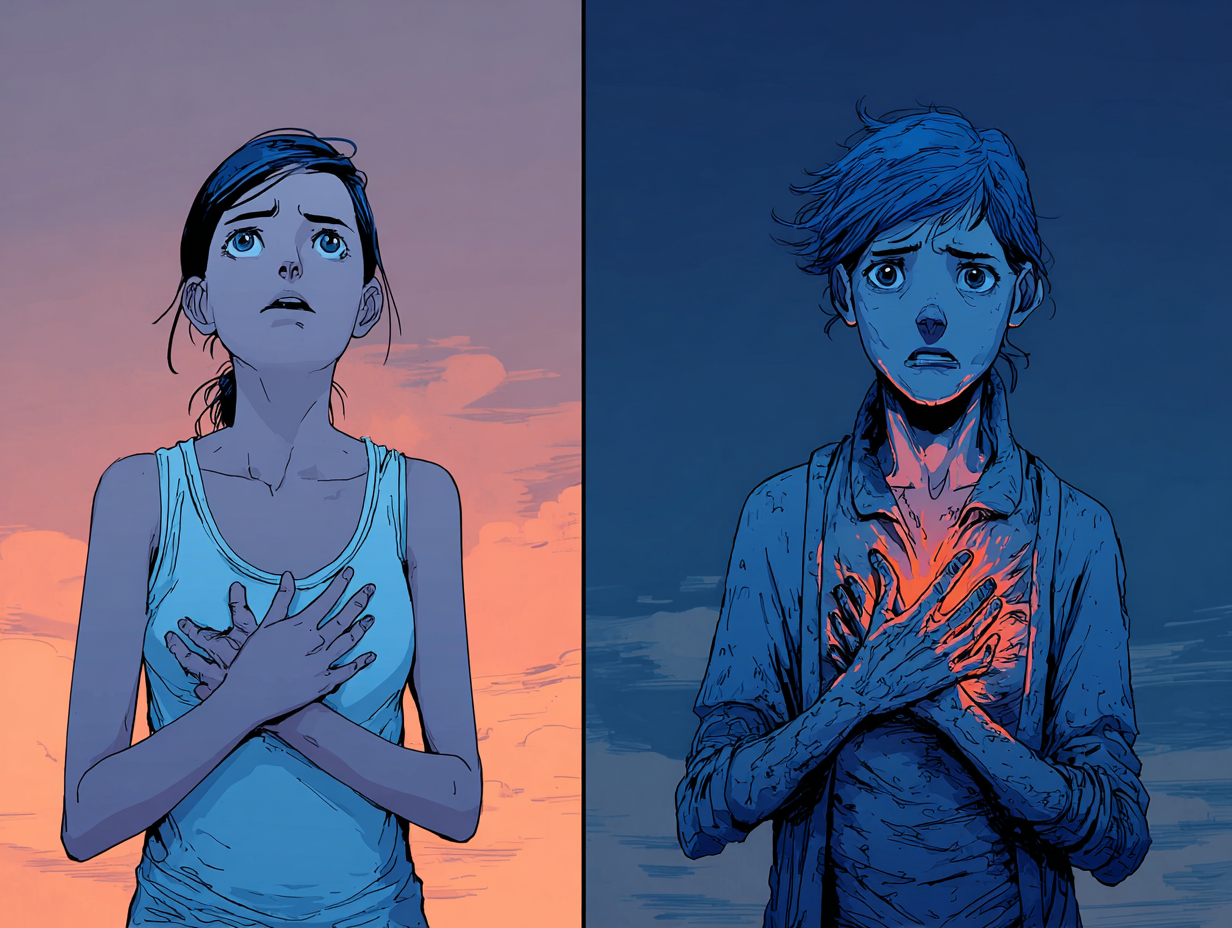
How Long Anxiety Chest Pain Can Last
The duration of anxiety chest pain depends on the underlying trigger and the individual’s stress response.
During panic attacks, chest pain often appears suddenly and peaks within several minutes. Panic episodes typically reach maximum intensity within about ten minutes, although residual discomfort can persist longer as the body gradually returns to a calm state.
In cases of chronic anxiety or prolonged stress, chest discomfort may last much longer. Muscle tension in the chest wall can remain for hours or even days if anxiety levels stay elevated. Some individuals describe a persistent feeling of tightness rather than sharp pain.
Several factors can influence how long anxiety chest pain lasts:
- intensity of the anxiety episode;
- breathing patterns during the episode;
- level of muscle tension;
- overall stress levels;
- whether calming strategies are used.
Learning techniques that calm the nervous system can significantly shorten the duration of anxiety-related chest discomfort.
Anxiety Chest Pain vs Heart Attack
One of the most important concerns for people experiencing chest pain is whether the sensation may signal a heart attack. Anxiety chest pain and cardiac chest pain can feel similar, which is why medical evaluation is necessary when symptoms appear for the first time.
Heart attacks occur when blood flow to part of the heart muscle becomes blocked. This condition requires immediate medical attention. Anxiety chest pain, in contrast, is related to activation of the body’s stress response rather than damage to the heart.
Although the sensations can overlap, there are several typical differences between anxiety chest pain and heart attack symptoms.
Key Differences Between Anxiety Chest Pain and Heart Attack Symptoms
| Feature | Anxiety Chest Pain | Heart Attack |
|---|---|---|
| Onset | Often begins during stress or panic | May begin during exertion or suddenly without clear trigger |
| Pain type | Sharp, stabbing, or tight | Pressure, squeezing, or crushing sensation |
| Location | May stay localized in the chest | Often spreads to arm, jaw, shoulder, or back |
| Duration | Often improves as anxiety decreases | Typically persists or worsens over time |
| Associated symptoms | Rapid breathing, panic, dizziness | Nausea, sweating, severe shortness of breath |
When Chest Pain Requires Immediate Medical Care
Chest pain should always be taken seriously. Immediate medical care is necessary if chest pain appears suddenly and is accompanied by symptoms commonly associated with cardiac emergencies.
Warning signs include:
- crushing or severe chest pressure;
- pain spreading to the arm, jaw, neck, or back;
- severe shortness of breath;
- fainting or near fainting;
- nausea combined with chest discomfort.
In the United States, individuals experiencing these symptoms should call 911 immediately.
For emotional crises or overwhelming distress, the 988 Suicide & Crisis Lifeline provides confidential support available 24 hours a day.
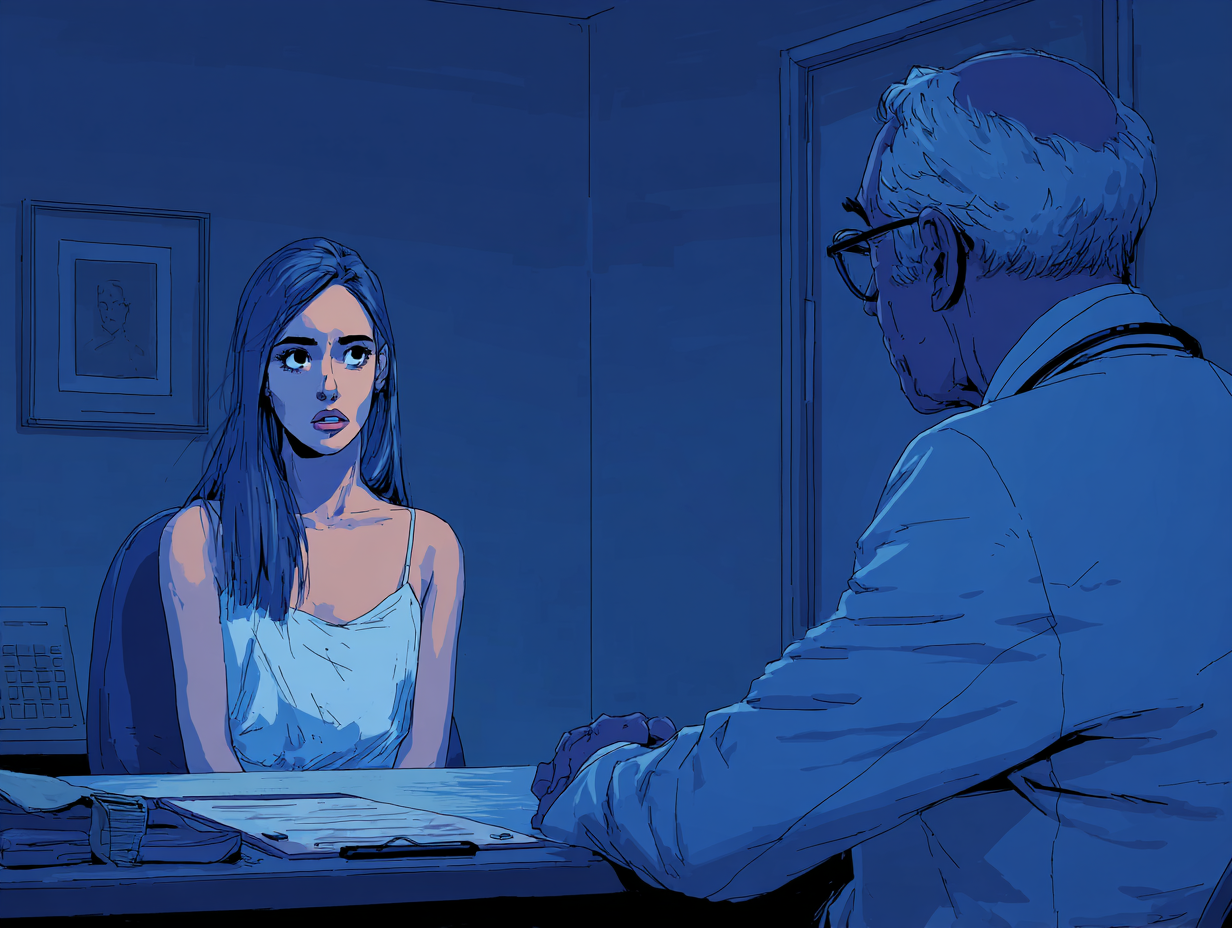
Even when anxiety is suspected, medical evaluation is the safest way to rule out heart-related conditions and ensure appropriate care.
Why Anxiety Causes Chest Pain
Understanding why anxiety causes chest pain helps people interpret their symptoms more accurately. Anxiety does not only affect thoughts and emotions. It also activates powerful physiological systems that prepare the body to respond to perceived threats.
When the brain senses danger, whether the threat is physical or psychological, it signals the nervous system to activate the body’s stress response. This response involves rapid changes in heart rate, breathing patterns, and muscle tension.
Several biological mechanisms explain why anxiety chest pain occurs.
The Fight - or - Flight Response
One of the primary reasons anxiety causes chest pain is activation of the fight - or - flight response. This response is controlled by the autonomic nervous system and is designed to help the body react quickly to danger.
During this response, the brain releases stress hormones such as adrenaline and cortisol. These hormones increase heart rate and blood pressure, delivering more oxygen to muscles so the body can respond quickly.
As the heart beats faster and breathing accelerates, people may feel sensations such as:
- pressure in the chest;
- a pounding heartbeat;
- tightness in the chest wall;
- discomfort near the sternum.
These sensations can feel intense because the cardiovascular system is temporarily working at a heightened level of activity.
Although these physical reactions are normal during moments of danger, they can feel alarming when triggered by anxiety or panic. The brain interprets the physical sensations as further evidence of threat, which can amplify fear and prolong the episode.
Hyperventilation and Muscle Tension
Another common reason anxiety causes chest pain involves breathing changes and muscle tension.
When someone becomes anxious, breathing often becomes faster and shallower. This pattern is known as hyperventilation. Hyperventilation alters the balance of oxygen and carbon dioxide in the blood. These changes can lead to symptoms such as chest tightness, dizziness, and tingling sensations.
At the same time, anxiety causes muscles throughout the body to tighten. Many people unconsciously tense the muscles of the chest, shoulders, and upper back during stressful moments. This tension can create soreness or sharp pain around the ribs or breastbone.
Two major mechanisms therefore contribute to anxiety chest pain:
| Mechanism | What Happens in the Body | Resulting Sensation |
|---|---|---|
| Hyperventilation | Rapid breathing reduces carbon dioxide levels | Chest tightness, dizziness, tingling |
| Muscle tension | Chest and rib muscles contract during stress | Sharp pain or pressure in chest |
| Stress hormones | Adrenaline increases heart rate and circulation | Pounding heartbeat and chest discomfort |
These responses are temporary. Once the nervous system returns to a calmer state, the physical sensations usually fade.
However, repeated anxiety episodes can make people highly sensitive to chest sensations. This sensitivity may cause individuals to monitor their heartbeat and breathing closely, which can unintentionally trigger further anxiety.
Recognizing how anxiety causes chest pain can help break this cycle by reducing fear of the physical sensations themselves.
How to Stop Anxiety Chest Pain
When anxiety causes chest pain, the sensation can feel frightening and overwhelming. The good news is that anxiety chest pain often improves once the nervous system begins to calm down. Because the symptoms are linked to the body’s stress response, strategies that reduce anxiety can also reduce the physical discomfort in the chest.
Relief may come from both immediate calming techniques and longer-term approaches that address the underlying anxiety patterns. Learning these strategies can help people regain a sense of control when symptoms appear.
Immediate Techniques for Anxiety Chest Pain Relief
When anxiety chest pain begins, the most effective approach is to help the body shift out of the fight - or - flight state. Techniques that slow breathing and relax muscles can signal the nervous system that the threat has passed.
Several practical techniques may help reduce anxiety chest pain in the moment:
- slow diaphragmatic breathing, inhaling through the nose and exhaling slowly through the mouth;
- grounding exercises that focus attention on physical sensations in the present moment;
- gentle stretching of the chest and shoulder muscles;
- placing a hand on the chest and focusing on steady breathing patterns;
- stepping away from stressful environments if possible.
Slow breathing is particularly helpful because it counteracts hyperventilation. When breathing slows, carbon dioxide levels in the blood stabilize and the feeling of chest tightness often decreases.
Another helpful strategy is cognitive reassurance. Reminding oneself that anxiety can cause chest pain and that the sensation will pass may help interrupt the cycle of fear that intensifies symptoms.
However, individuals should still seek medical evaluation if chest pain is new, severe, or different from previous anxiety episodes.
Long - Term Treatment for Anxiety Chest Pain
While immediate techniques can help during individual episodes, long-term improvement usually requires addressing the underlying anxiety.

Mental health professionals commonly use evidence-based treatments for anxiety disorders that include physical symptoms such as chest pain.
Common treatment approaches include:
- Cognitive Behavioral Therapy, which helps individuals identify and change patterns of catastrophic thinking about physical sensations;
- exposure-based techniques that gradually reduce fear of bodily symptoms associated with anxiety;
- mindfulness-based stress reduction, which teaches awareness of thoughts and sensations without panic;
- lifestyle changes that reduce chronic stress, including regular physical activity and consistent sleep patterns.
Medication may also be recommended in some cases. Licensed clinicians may prescribe medications such as selective serotonin reuptake inhibitors when anxiety symptoms significantly interfere with daily functioning.
Psychological treatments and medical care are guided by clinical standards outlined by organizations such as the American Psychiatric Association. These approaches focus on reducing anxiety symptoms while helping individuals feel safer interpreting their bodily sensations.
With proper treatment and coping strategies, many people experience a significant reduction in anxiety chest pain and related panic symptoms.
References
1. American Psychiatric Association. Diagnostic and Statistical Manual of Mental Disorders, Fifth Edition, Text Revision. American Psychiatric Publishing, 2022.
2. National Institute of Mental Health. Anxiety Disorders. National Institutes of Health.2021
3. Anxiety and Depression Association of America. Physical Symptoms of Anxiety.2020
4. Clark, D. A., Beck, A. T. Cognitive Therapy of Anxiety Disorders: Science and Practice. Guilford Press, 2011.
5. Barlow, D. H. Anxiety and Its Disorders: The Nature and Treatment of Anxiety and Panic. Guilford Press, 2002.
Conclusion
Chest pain is one of the most frightening physical sensations a person can experience. While heart conditions are a serious concern, anxiety can also cause chest pain through well understood biological mechanisms. Activation of the fight - or - flight response, muscle tension, and changes in breathing patterns can all create real physical discomfort in the chest.
For many individuals, anxiety chest pain appears during periods of intense stress or panic attacks. These episodes may include additional symptoms such as rapid heartbeat, dizziness, and shortness of breath. Because the symptoms can closely resemble those of cardiac problems, medical evaluation is always recommended when chest pain occurs for the first time or when symptoms feel unusual.
Understanding the connection between anxiety and physical sensations helps reduce fear and uncertainty. Once serious medical causes are ruled out, people can focus on strategies that calm the nervous system and address underlying anxiety.
Evidence-based treatments such as cognitive behavioral therapy, stress management techniques, and appropriate medical care can significantly reduce anxiety symptoms and improve overall well-being. With the right support and information, many individuals learn to manage anxiety chest pain effectively and regain confidence in their physical health.
Frequently Asked Questions
Can anxiety cause chest pain every day?
Yes. Anxiety chest pain can occur frequently if a person experiences ongoing stress or untreated anxiety disorders. Chronic muscle tension and persistent activation of the stress response may lead to repeated episodes of chest discomfort. Medical evaluation is recommended to rule out physical causes before attributing recurring chest pain to anxiety.
How long does anxiety chest pain usually last?
Anxiety chest pain can last from several minutes to several hours depending on the intensity of the anxiety episode. Panic attacks often peak within about ten minutes, but muscle tension and chest tightness may persist longer if stress levels remain elevated.
How can you stop anxiety chest pain quickly?
Calming the nervous system can help reduce anxiety chest pain. Slow breathing, grounding techniques, and gentle muscle relaxation can signal the body to exit the stress response. If chest pain is severe, persistent, or different from previous anxiety symptoms, medical care should be sought immediately.
When should chest pain be treated as an emergency?
Chest pain requires emergency medical attention if it is accompanied by symptoms such as severe pressure in the chest, pain spreading to the arm or jaw, fainting, nausea, or extreme shortness of breath. In the United States, individuals experiencing these symptoms should call 911 immediately.