Autism in Women: Signs, Masking, and Why It's Often Missed
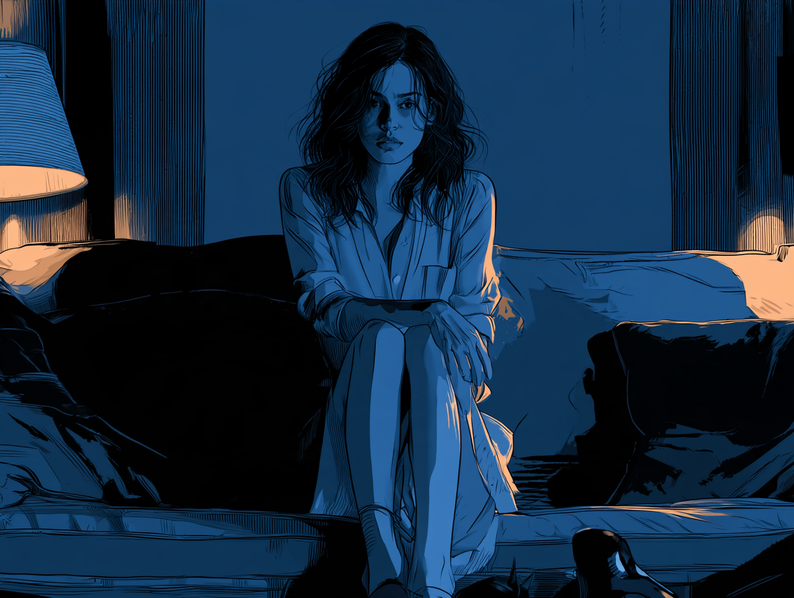

You might be the person who remembers everyone's birthday, handles difficult conversations at work, and seems perfectly comfortable in social situations, yet comes home completely exhausted. Autism in women can be difficult to recognize, particularly when someone has spent years learning how to fit in, hide discomfort, or imitate the social behaviors of others.
Even an ordinary conversation can feel like a series of decisions. Should you make eye contact? Is it your turn to speak? Did that expression mean something you missed? Others struggle with sensory overload, unexpected changes, or the feeling that social rules come naturally to everyone except them. These experiences can have several explanations, and they do not automatically indicate autism.
Understanding the signs of autism, the role of social masking, and the reasons some women receive a diagnosis later in life can make these experiences easier to discuss. This article explores those patterns, explains what a professional assessment involves, and offers practical guidance for women seeking answers.
What Does Autism in Women Look Like?
Autism in women can involve differences in social communication, sensory processing, routines, and focused interests. These characteristics are not necessarily less significant than those observed in men, but they may be harder for others to recognize. Some autistic women appear socially confident because they have spent years consciously learning behaviors that other people perform more intuitively.
How Autism May Present Differently in Women
Autistic women may develop strategies that help them navigate social expectations. For example, a woman might carefully observe how her coworkers interact, memorize appropriate responses, or prepare conversation topics before attending a gathering.
Having a career, a partner, or a close circle of friends does not rule out autism. What matters is not simply how someone appears socially, but how they experience communication and navigate everyday demands.
Some autistic women also develop intense interests in subjects that others consider conventional, such as literature, animals, or psychology. The subject itself may not attract attention, even when the depth and consistency of the interest are significant.
These experiences vary widely. Not every autistic woman masks her traits, and similar behaviors can occur in people who are not autistic.

Why Autism Is Not Always Obvious
Autism is not defined by whether someone appears outgoing, makes eye contact, or has friends. A woman may communicate effectively in familiar situations but struggle when conversations become unpredictable or social expectations change.
Consider someone who has learned to navigate office conversations by observing colleagues and remembering which responses work best. Her coworkers may see an approachable professional without realizing that she is following social rules she has had to study deliberately.
Some people describe these less visible experiences using the term high functioning autism. Although this is not a formal DSM-5-TR diagnosis, the discussion can help explain why outward independence does not necessarily reflect someone's internal difficulties or support needs.
Clinicians therefore consider developmental history and patterns across different settings rather than relying solely on outward social behavior.
Common Signs of Autism in Adult Women
The signs of autism in adult women can appear in everyday situations, from conversations with friends to managing changes at work. Some women recognize these patterns only after years of feeling different without understanding why. Autism involves persistent differences in social communication and interaction, alongside restricted or repetitive patterns of behavior, interests, or activities. Individual experiences vary considerably.
Social Communication and Relationship Differences
An autistic woman may enjoy spending time with others while finding certain aspects of communication confusing or exhausting. She might understand jokes and sarcasm in familiar situations but struggle to interpret indirect requests, subtle facial expressions, or unspoken expectations.
Common experiences include:
- Rehearsing conversations before phone calls or social events;
- Feeling uncertain about when to speak or how much information to share;
- Preferring direct communication over hints or ambiguous messages;
- Needing time alone after prolonged social interaction.
For example, a woman might enjoy meeting friends but find it difficult to follow several conversations at once. She may prefer spending time with one person rather than participating in a large group.
Differences in social communication do not mean that autistic women cannot form meaningful emotional connections. Understanding autism and attachment can offer additional perspective on how emotional closeness, communication styles, and relationship expectations may interact.
Sensory Sensitivities and Daily Routines
A restaurant that seems pleasantly lively to one person may feel unbearable to another. Music, overlapping conversations, bright lights, and the scrape of chairs can become difficult to process all at once.
Sensory differences are a recognized feature of autism. A woman might find fluorescent lighting uncomfortable, struggle to concentrate in a noisy environment, or avoid clothing with certain textures. Others experience reduced sensitivity to particular sensations or actively seek sensory input.
Predictability can also be important. Unexpected schedule changes, unfamiliar environments, or interruptions to established routines may cause substantial distress.
These reactions are not simply preferences for quiet spaces or organized schedules. Their intensity, persistence, and impact on daily functioning help clinicians understand their significance.
Focused Interests and Emotional Experiences
Some autistic women develop deep interests that occupy considerable time and attention. These interests may involve literature, animals, languages, historical periods, or other subjects that do not immediately appear unusual.
The distinguishing feature is not necessarily the topic itself but the intensity, consistency, and role the interest plays in someone's life.
Emotional experiences can also be complex. Some women have difficulty identifying or describing their feelings, while others experience overwhelming emotions after demanding social or sensory situations.
If several of these experiences seem familiar, a screening questionnaire such as the Female Autism Test may help you organize questions to discuss with a clinician. Screening results cannot confirm or rule out autism, and a professional evaluation considers developmental history, multiple characteristics, and whether diagnostic criteria are met.
What Is Autistic Masking in Women?
Autistic masking, also called social camouflaging, involves consciously or unconsciously adjusting behavior to meet social expectations or conceal autistic traits. For some women, these strategies become so familiar that they barely notice the effort involved. Masking may help someone navigate social situations, but it can also make their support needs less visible to others.
Common Masking and Camouflaging Behaviors
Masking can take different forms depending on the person and situation. Some women carefully study how others communicate, then reproduce those behaviors during conversations.
Common examples include:
- Practicing facial expressions or conversational responses before social events;
- Maintaining eye contact despite finding it uncomfortable;
- Copying other people's gestures, tone of voice, or social habits;
- Suppressing repetitive movements or other self-regulating behaviors;
- Preparing scripts for unfamiliar conversations.
During a job interview, for instance, a woman might appear relaxed while mentally tracking when to smile, where to look, and how long to maintain each response.
These strategies do not necessarily indicate autism. People may modify their social behavior for many reasons.
Why Women May Feel Pressure to Mask
Girls are often encouraged to be friendly, agreeable, and attentive to other people's feelings. For someone who finds social expectations difficult to interpret, learning to imitate these behaviors may become a way to avoid criticism or exclusion.
Masking can also develop in response to bullying, previous social rejection, or pressure to maintain friendships and professional relationships.
However, researchers continue to examine how gender, social environment, and individual experiences influence camouflaging. Not every autistic woman masks, and masking is not exclusive to women.
The Emotional Cost of Long-Term Masking
Constantly monitoring behavior can require substantial mental effort. A casual conversation may demand more concentration than anyone around the person realizes. By the time she gets home, she may have little energy left for anything else.
Research has found associations between greater camouflaging and poorer mental health outcomes in some autistic populations, although these findings do not establish that masking directly causes anxiety, depression, or burnout.
A woman may also struggle to communicate her needs if others assume she is coping comfortably.
Recognizing these patterns can help individuals discuss their experiences with a qualified professional and identify situations where additional support may be useful.
Why Is Autism Often Missed in Women?
Autism in women may go unrecognized for years because certain traits are less visible, misunderstood, or attributed to other conditions. Although awareness of autism has increased, some women still encounter barriers to identification, particularly when their experiences do not match common stereotypes. Delayed diagnosis usually reflects several interacting factors rather than a single overlooked symptom.
Gender Stereotypes and Diagnostic Expectations
Historically, much autism research focused on boys and men, influencing how autistic characteristics were recognized and described. As a result, some clinicians and families may be more familiar with presentations traditionally associated with boys.
For example, a girl who struggles with friendships but follows classroom rules and performs well academically may attract less attention than a child whose difficulties are more disruptive.
Social expectations can also influence how behaviors are interpreted. A quiet girl might be described as shy, while her difficulties understanding social communication remain unexplored.
However, autism is diagnosed using the same core criteria regardless of gender. Researchers continue to investigate how gender-related differences and referral patterns affect identification.
How Masking Can Complicate Assessment
Social camouflaging can make certain autistic characteristics harder to observe during brief clinical appointments.
A woman who has practiced conversational scripts for years may appear comfortable answering questions, even when spontaneous interactions require considerable effort.
Similarly, someone may suppress repetitive movements or minimize sensory discomfort in unfamiliar settings.
An experienced clinician considers these possibilities alongside developmental history, current functioning, and information from different contexts.
Masking alone neither confirms nor rules out autism.
Why Some Women Receive a Diagnosis in Adulthood
Some women begin exploring autism after years of receiving treatment for anxiety, depression, or ADHD without finding a complete explanation for their experiences.
Others recognize similarities between themselves and an autistic family member or encounter information that helps them reconsider childhood experiences.
A new job, parenthood, or an unexpected change in routine can disrupt strategies that worked for years. Difficulties that once seemed manageable may suddenly require much more support.
Access to specialists familiar with adult autism can present another obstacle.
A later diagnosis does not mean autism developed in adulthood. Autism is a neurodevelopmental condition, even when its characteristics were not identified earlier.
Autism, ADHD, and Social Anxiety: How Are They Different?
Autism, attention-deficit/hyperactivity disorder (ADHD), and social anxiety disorder can share certain characteristics, including difficulties navigating social situations, feeling overwhelmed, and struggling with everyday demands. However, these conditions have different diagnostic features, and understanding the reasons behind similar behaviors is often more useful than focusing on the behaviors alone.
Autism and ADHD
Both autistic women and women with ADHD may experience difficulties with organization, emotional regulation, or managing competing demands. They might also struggle to follow conversations, maintain friendships, or cope with unexpected interruptions.

The same behavior does not always have the same explanation.
ADHD primarily involves persistent difficulties with attention regulation and/or hyperactivity-impulsivity. Autism involves differences in social communication and interaction, alongside restricted or repetitive patterns of behavior, interests, or activities.
For example, an autistic woman might find a conversation challenging because its unspoken social expectations are difficult to interpret. A woman with ADHD might understand those expectations but lose track of the discussion because her attention shifts.
These examples are not diagnostic rules. Autism and ADHD frequently co-occur, and the same person may experience both patterns.
Autism and Social Anxiety
Social anxiety disorder involves persistent fear of negative evaluation or judgment in social situations. Autistic people may also experience social anxiety, but autism is not defined by fear of embarrassment.
Consider two women who avoid crowded social gatherings. One might fear saying something embarrassing, while the other finds unpredictable conversations and sensory stimulation overwhelming. Both experiences can also occur together.
Clinicians examine developmental history, the reasons behind social difficulties, and patterns across different environments when distinguishing these conditions.
An accurate assessment may identify autism, ADHD, social anxiety, another explanation, or more than one condition. A single symptom or online screening result cannot reliably establish the difference.
How Can Women Get an Autism Assessment?
If you recognize longstanding autistic traits in yourself, a professional assessment can help clarify your experiences. An adult autism evaluation examines patterns of social communication, behavior, sensory experiences, and developmental history. Its purpose is not simply to confirm a suspected diagnosis but to understand which explanation best fits your experiences and support needs.
When to Consider a Professional Evaluation
You might consider an assessment if social interactions, sensory sensitivities, or difficulties with unexpected changes have affected your daily life for years.
Before your appointment, write down a few situations that have been difficult for you. Specific examples from work, relationships, or childhood can give the clinician a clearer picture than simply saying you have always felt different.
Childhood memories, school reports, and observations from people who knew you when you were younger may also provide helpful context.
You do not need to be certain you are autistic before requesting an evaluation. A longer screening questionnaire, such as the Adult Autism Test, may provide a starting point for discussing your experiences, but its results cannot replace a comprehensive clinical assessment.
What Happens During an Adult Autism Assessment?
An adult autism assessment typically involves a detailed clinical interview and a review of developmental history. Depending on the clinician and your circumstances, it may also include standardized assessment tools, questionnaires, and information from family members or other people who know you well.
The clinician evaluates social communication patterns, restricted or repetitive behaviors, sensory differences, and how these characteristics affect everyday functioning.
They also consider other possible explanations and co-occurring conditions, including ADHD and anxiety disorders.
In the United States, clinicians generally use diagnostic criteria from the DSM-5-TR. No single questionnaire or online test can independently establish an autism diagnosis.
Finding a Qualified Specialist in the United States
You can begin by asking your primary care provider for a referral to a clinician experienced in evaluating autism in adults.
Licensed psychologists and other appropriately qualified healthcare professionals may conduct assessments, depending on their training and scope of practice.
Before scheduling, ask whether the provider evaluates adult women, what the assessment includes, and whether your insurance covers the service.
It is also worth checking deductibles, copayments, and out-of-network costs.
Even without a formal diagnosis, you can discuss specific difficulties with a healthcare professional and explore practical strategies that may make everyday life more manageable.
Conclusion
Autism in women is not always easy to recognize, especially when years of social masking make everyday difficulties less visible. Differences in communication, sensory experiences, routines, and focused interests may have been present since childhood without receiving much attention.
A late diagnosis does not mean these experiences are new, and recognizing autistic traits does not automatically mean you are autistic. ADHD, anxiety, and other conditions can share certain characteristics, making a comprehensive evaluation particularly valuable.
If these patterns feel familiar, consider documenting your experiences and speaking with a healthcare professional who understands autism in adults. Whether or not you receive a diagnosis, understanding your needs can help you make informed decisions about support, relationships, and daily life.

References
- National Institute of Mental Health. (n.d.). Autism Spectrum Disorder. National Institutes of Health. NIMH.
- Centers for Disease Control and Prevention. (2025). Clinical Testing and Diagnosis for Autism Spectrum Disorder. CDC.
- American Psychiatric Association. (2022). Diagnostic and Statistical Manual of Mental Disorders, Fifth Edition, Text Revision (DSM-5-TR). American Psychiatric Association Publishing.
- Hull, L., Petrides, K. V., Allison, C., Smith, P., Baron-Cohen, S., Lai, M.-C., & Mandy, W. (2017). Putting on My Best Normal: Social Camouflaging in Adults with Autism Spectrum Conditions. Journal of Autism and Developmental Disorders, 47, 2519-2534. DOI.
- Hull, L., Mandy, W., Lai, M.-C., Baron-Cohen, S., Allison, C., Smith, P., & Petrides, K. V. (2019). Development and Validation of the Camouflaging Autistic Traits Questionnaire (CAT-Q). Journal of Autism and Developmental Disorders, 49, 819-833. DOI.
- Lai, M.-C., Lombardo, M. V., Ruigrok, A. N. V., Chakrabarti, B., Auyeung, B., Szatmari, P., Happé, F., & Baron-Cohen, S. (2017). Quantifying and Exploring Camouflaging in Men and Women with Autism. Autism, 21(6), 690-702. DOI.
- Bargiela, S., Steward, R., & Mandy, W. (2016). The Experiences of Late-Diagnosed Women with Autism Spectrum Conditions: An Investigation of the Female Autism Phenotype. Journal of Autism and Developmental Disorders, 46, 3281-3294. DOI.
- Cage, E., & Troxell-Whitman, Z. (2019). Understanding the Reasons, Contexts and Costs of Camouflaging for Autistic Adults. Journal of Autism and Developmental Disorders, 49, 1899-1911. DOI.
Frequently Asked Questions
Can a woman have autism without realizing it?
Yes. Some women reach adulthood without recognizing that their lifelong experiences may be related to autism. They may have developed strategies to manage social situations, received other diagnoses, or had traits that were overlooked during childhood. A professional evaluation can help determine whether autism explains these patterns.
Can women with autism maintain friendships and relationships?
Absolutely. Autistic women can form close friendships, maintain romantic relationships, and build meaningful social connections. However, some may find certain aspects of communication challenging or need additional time to recover after social interactions. Having friends or a partner does not rule out autism.
Is masking always a sign of autism?
No. Masking involves adjusting or concealing aspects of one's behavior to meet social expectations, and it is not exclusive to autistic people. Although autistic masking can be an important part of some women's experiences, it is not a diagnostic criterion on its own. Clinicians consider developmental history and a broader pattern of characteristics.
Can autism be mistaken for anxiety or ADHD?
Yes. Autism, ADHD, and anxiety disorders can involve overlapping experiences, including social difficulties, emotional distress, and challenges with everyday demands. These conditions can also occur together. A qualified clinician can evaluate the underlying patterns, developmental history, and diagnostic criteria to distinguish between possible explanations.
Can autism develop later in life?
Autism is a neurodevelopmental condition, meaning its underlying characteristics begin during early development. However, some people are not identified as autistic until adolescence or adulthood. Major life changes or increasing social demands may make previously overlooked difficulties more noticeable, but this does not mean autism developed later in life.
How do I get tested for autism as an adult woman?
Start by speaking with your primary care provider or contacting a qualified clinician who evaluates autism in adults. An assessment may include clinical interviews, developmental history, questionnaires, and standardized tools. Before scheduling, ask about the provider's experience with adult women, insurance coverage, and potential out-of-pocket costs. Online screening tests cannot replace a professional diagnosis.