Anxious Preoccupied Attachment Style: Signs, Causes, and How to Feel More Secure
If you’ve ever felt overwhelmed by fear that someone you love might pull away, you’re not alone. Anxious preoccupied attachment style is a relationship pattern marked by intense sensitivity to rejection, strong fear of abandonment, and a deep need for reassurance. It’s not a diagnosis in the DSM-5-TR, but a framework from attachment theory that helps explain why some people experience heightened anxiety in close relationships.
Many adults who identify with this style describe overthinking texts, feeling panicked during conflict, or struggling to relax unless they feel emotionally close to their partner. In this guide, you’ll learn what anxious attachment really means, why it feels so powerful, how it differs from other attachment styles, and what evidence-based strategies — including therapy — can help you build more security.
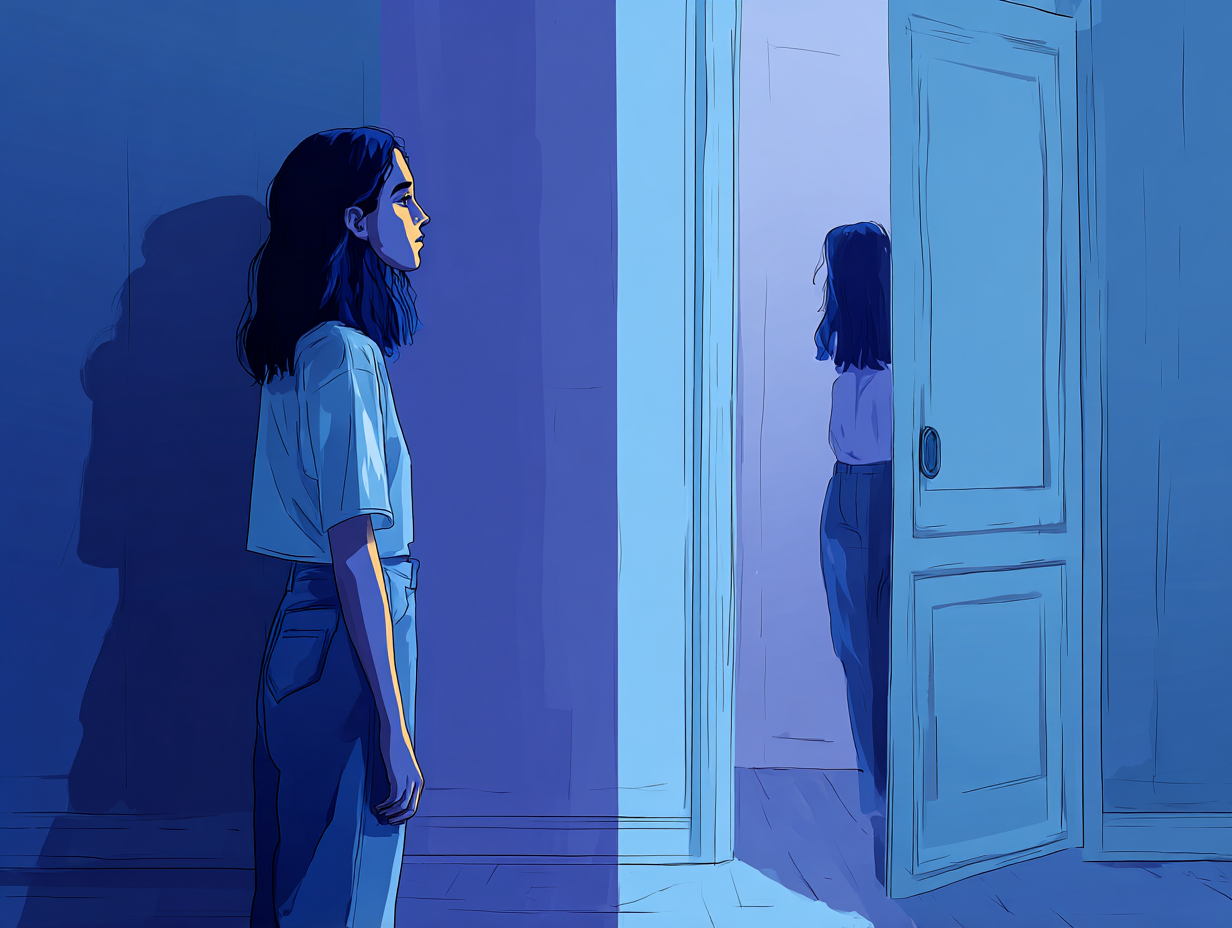
What Is Anxious Preoccupied Attachment Style?
Anxious preoccupied attachment style is a pattern of relating in close relationships characterized by strong desire for intimacy combined with persistent worry about rejection or abandonment. People with this attachment pattern often crave closeness but feel uncertain about whether that closeness will last. It is not a mental disorder under the DSM-5-TR; rather, it’s a relational framework rooted in attachment theory.
Attachment theory, originally developed by John Bowlby and later expanded by Mary Ainsworth, explains how early caregiving experiences shape expectations about safety and connection. When caregivers were inconsistent — sometimes warm, sometimes unavailable — a child may learn that love is unpredictable. As adults, this can translate into heightened vigilance in relationships.
Here’s what that often looks like in daily life. Imagine sending a message to your partner and not receiving a reply for several hours. Someone with secure attachment might assume their partner is busy. Someone with anxious preoccupied attachment may feel their stomach tighten, thoughts spiral (“Did I do something wrong?”), and an urge to send follow-up messages for reassurance. The emotional reaction feels urgent and real.
Core Features
While every person is different, common traits include:
- strong need for emotional closeness
- fear of abandonment
- sensitivity to small shifts in tone or behavior
- difficulty self-soothing during conflict
- seeking reassurance frequently
These behaviors are not signs of weakness. They are protective strategies developed over time.
How It Develops
In early childhood, attachment systems are survival-based. When care is unpredictable, the nervous system may adapt by becoming hyper-alert to signs of separation. Research discussed by the American Psychological Association shows that attachment expectations formed in childhood can influence adult romantic and interpersonal relationships.
However, attachment is not destiny. Adult experiences, supportive relationships, and therapy can reshape internal working models — the mental templates we carry about love and safety.
Important Clarification
Anxious preoccupied attachment style is different from an anxiety disorder. While the two can overlap, attachment style specifically relates to patterns in close relationships. If worry, panic, or physical symptoms extend beyond relationships and interfere broadly with daily functioning, a licensed mental health professional can help evaluate whether an anxiety disorder may be present.
Understanding this distinction reduces shame. Attachment style describes how you learned to connect — not a flaw in who you are.
Why Does Anxious Preoccupied Attachment Trigger Intense Fear of Abandonment?
At its core, anxious preoccupied attachment is driven by heightened sensitivity to emotional distance. When connection feels uncertain, the nervous system reacts as if something important is at risk. The fear of abandonment isn’t dramatic or irrational in the moment — it feels urgent and protective.
Attachment systems are wired for survival. As adults, that system activates most strongly in romantic relationships and close bonds. If someone with anxious attachment senses even a small shift — a delayed response, a shorter text, a distracted tone — their brain may interpret it as potential rejection. That interpretation can happen in seconds, often before conscious reasoning steps in.
The Emotional Mechanism
Here’s what typically unfolds internally:
- A trigger occurs (e.g., partner cancels plans).
- The brain scans for threat.
- Thoughts escalate (“They’re losing interest.”).
- Anxiety rises in the body — racing heart, tight chest.
- Urge to restore connection intensifies.
This pattern reflects what psychologists sometimes call attachment anxiety. According to research summarized by institutions like the National Institute of Mental Health, chronic anxiety patterns can amplify threat perception and make neutral events feel personal. In relationships, that amplification shows up as hypervigilance.
Picture this: your partner says, “I need some space tonight.” A securely attached person may interpret this as temporary and neutral. A person with anxious preoccupied attachment might immediately worry that space equals rejection. The emotional brain equates distance with loss.
Reassurance-Seeking and Protest Behaviors
To reduce that fear, people often engage in what attachment research calls “protest behaviors.” These aren’t manipulative — they’re attempts to feel safe. Examples include:
- repeated texting or calling
- seeking constant verbal affirmation
- escalating conflict to test commitment
- withdrawing dramatically to see if the partner pursues
In the short term, reassurance may calm anxiety. But over time, this cycle can strain relationships, especially with avoidant partners who respond to intensity by pulling back.
The Role of Emotional Regulation
People with anxious attachment are often deeply empathetic and emotionally expressive. The challenge isn’t feeling too much — it’s difficulty regulating intense emotions once triggered. The nervous system becomes highly attuned to relational cues. Without tools to self-soothe, the only available strategy may be external reassurance. That’s why partners can unintentionally become the primary regulator of emotional stability.
Here’s the subtle shift that matters: when your sense of safety depends entirely on another person’s availability, anxiety becomes chronic.
Normalize + Boundary
It’s completely human to want reassurance and closeness. Everyone needs connection. But when fear consistently overrides trust, it may be a sign that attachment anxiety — not actual danger — is driving the reaction. Recognizing that distinction is powerful. It allows space between the trigger and the response. And that space is where change begins.
Anxious Preoccupied Attachment vs Avoidant and Secure Attachment
Understanding how anxious preoccupied attachment compares to other attachment styles can reduce confusion and self-blame. Each style represents a different strategy for managing closeness and emotional safety. None are diagnoses — they are patterns of relating.
| Attachment Style | View of Self | View of Others | Typical Relationship Pattern |
|---|---|---|---|
| Anxious Preoccupied | “I’m not enough.” | “Others may leave.” | Seeks closeness, fears abandonment |
| Avoidant | “I must handle things alone.” | “Closeness is risky.” | Values independence, pulls away |
| Secure | “I am worthy.” | “Others are reliable.” | Balances closeness and autonomy |
Why Anxious and Avoidant Often Attract Each Other
One of the most common relationship dynamics involves an anxious partner paired with an avoidant partner. The anxious partner seeks reassurance; the avoidant partner withdraws under pressure. The more one pursues, the more the other distances. This dynamic can feel intense and confusing.

For example, someone with anxious preoccupied attachment may express distress quickly and openly, while an avoidant partner may interpret that distress as overwhelming. Both partners are trying to feel safe — just in opposite ways.
What Secure Attachment Looks Like
Secure attachment doesn’t mean never feeling anxious. It means the anxiety doesn’t control behavior. Securely attached individuals can:
- tolerate temporary distance
- communicate needs directly
- self-soothe during conflict
- trust that repair is possible
Research summarized by the American Psychological Association suggests that secure attachment is associated with better emotional regulation and relationship satisfaction. The hopeful part? Attachment styles are not fixed traits. With awareness and corrective experiences, people can move toward greater security over time.
Important Distinction
Anxious preoccupied attachment style is not the same as having a personality disorder or clinical anxiety diagnosis under the DSM-5-TR. It describes a relational pattern, not a pathology. If distress becomes severe, persistent, or affects work, sleep, or overall functioning, a licensed psychologist or psychiatrist can help assess whether another condition may also be present. Clarity reduces stigma. Patterns can change — and understanding where you are is the first step.
Can Anxious Preoccupied Attachment Style Change?
Yes — anxious preoccupied attachment style can change. Attachment patterns are learned, which means they can also be reshaped through new experiences, emotional awareness, and sometimes therapy. The nervous system is adaptive. With consistent corrective experiences, it can become less reactive and more secure. Change doesn’t usually happen through willpower alone. It happens when you begin responding differently to triggers.
How Change Happens
Attachment anxiety is reinforced by repetition. If every time you feel distance you immediately seek reassurance, your brain learns that reassurance is the only way to feel safe. To shift the pattern, you gradually build internal regulation.
Here’s a practical example. Imagine your partner hasn’t responded for three hours. Instead of sending multiple follow-ups, you:
- Notice the physical sensation (tight chest, restless energy).
- Label it: “This is attachment anxiety.”
- Delay action for 20 minutes.
- Use a calming strategy — breathing, walking, journaling.
- Reevaluate once your body feels steadier.
That pause rewires the cycle. Over time, repeated pauses build emotional tolerance.
Evidence-Based Therapy Approaches
Several therapies are especially helpful for anxious attachment:
- Cognitive Behavioral Therapy (CBT) helps identify catastrophic thinking patterns (“They’re leaving”) and replace them with balanced interpretations.
- Emotionally Focused Therapy (EFT) focuses directly on attachment bonds and is widely used in couples therapy.
- Acceptance and Commitment Therapy (ACT) builds emotional flexibility and reduces over-identification with anxious thoughts.
- Mindfulness-based interventions strengthen awareness of triggers without immediate reaction.
Research cited by organizations like the American Psychological Association highlights that evidence-based therapies can improve emotion regulation and relationship functioning. Therapy does not erase attachment history — it builds new relational experiences.
Building Security Outside Therapy
Not everyone needs formal therapy to grow, though many find it helpful. Outside of therapy, change can include:
- developing friendships that feel stable and consistent
- practicing direct communication instead of protest behaviors
- tolerating small moments of uncertainty
- learning body-based calming skills
Here’s the deeper shift: security develops when your sense of worth is no longer dependent on constant external reassurance.
How Long Does Change Take?
There’s no fixed timeline. Some people notice improvement within months of focused work. Others take longer, especially if early attachment wounds were significant. Progress is often uneven — growth followed by setbacks. That’s normal. The goal isn’t to eliminate anxiety entirely. It’s to prevent anxiety from driving behavior in ways that damage connection. If you’ve ever wondered, “Will I always be like this?” — the answer is no. Patterns are powerful, but they’re not permanent.
When to Seek Therapy for Relationship Anxiety
Feeling anxious in relationships is common. But when relationship anxiety begins to dominate your thoughts, disrupt sleep, or repeatedly damage connection, professional support may help. Anxious preoccupied attachment style itself is not a diagnosis, yet the distress associated with it can sometimes overlap with anxiety disorders described in the DSM-5-TR. The key question isn’t “Is something wrong with me?” It’s “Is this pattern interfering with my well-being?”
Signs It May Be Time to Talk to a Therapist
Consider reaching out to a licensed psychologist, clinical social worker, counselor, or psychiatrist if you notice:
- persistent panic or dread around perceived rejection
- conflict patterns that repeat despite your efforts
- difficulty concentrating at work due to relationship worry
- sleep disruption from overthinking
- emotional reactions that feel disproportionate or uncontrollable
A therapist can help distinguish between attachment-related anxiety and broader conditions such as generalized anxiety disorder or panic disorder. That distinction matters because treatment approaches may differ.
What Therapy Can Provide
Working with a licensed mental health professional offers more than coping tips. Therapy provides:
- a structured environment to examine attachment history
- real-time feedback on emotional responses
- tools for regulating intense affect
- corrective relational experiences
For example, in therapy you might explore how early caregiving patterns shaped expectations of closeness. Over time, experiencing consistency and attunement in the therapeutic relationship itself can reduce hypervigilance in other relationships. According to organizations such as the American Psychological Association and the National Institute of Mental Health, evidence-based therapies that strengthen emotion regulation can significantly reduce relational distress. The process focuses on skill-building and insight — not labeling.

Medication Considerations
Attachment style alone does not require medication. However, if symptoms include chronic panic attacks, major depression, or severe anxiety that extends beyond relationships, a psychiatrist or primary care physician may evaluate whether medication could support treatment. Decisions about medication should always involve a licensed medical professional.
Crisis and Safety Resources
If emotional distress ever escalates to hopelessness or thoughts of self-harm, immediate support is available in the United States:
- Call or text 988 to reach the Suicide & Crisis Lifeline
- If you are in immediate danger, call 911
These services are confidential and available 24/7. Seeking therapy does not mean you failed at managing your emotions. It means you recognize that patterns formed over years deserve thoughtful, professional support. Many people find that even a short period of therapy helps them feel more grounded, secure, and confident in relationships. Reaching out is not a sign of weakness. It’s a step toward steadier connection — with others and with yourself.
References
1. American Psychological Association. Attachment and Close Relationships. 2023.
2. National Institute of Mental Health. Anxiety Disorders. 2023.
3. Cleveland Clinic. Attachment Styles. 2022.
4. Mayo Clinic. Healthy Relationships and Emotional Health. 2023.
5. Substance Abuse and Mental Health Services Administration (SAMHSA). Find Treatment and Support. 2023.
Conclusion
Anxious preoccupied attachment style reflects a powerful need for closeness paired with deep fear of losing it. It develops as a protective strategy, not as a flaw in character. While it can create intense relationship anxiety, it is not a DSM-5-TR diagnosis — and it is not permanent. With awareness, emotional regulation skills, and sometimes therapy, many people move toward greater security. Change happens gradually, through repeated moments of responding differently to fear. If relationship anxiety feels overwhelming or persistent, speaking with a licensed mental health professional can help clarify next steps. And if you ever feel unsafe or in crisis, call or text 988 in the United States, or call 911 if you are in immediate danger. Security is learned — and it can be learned again.
Frequently Asked Questions
Is anxious preoccupied attachment style a mental disorder?
No. It is a relational pattern described in attachment theory, not a diagnosis in the DSM-5-TR. However, the anxiety associated with it can overlap with clinical anxiety disorders, which a licensed professional can evaluate if needed.
Can anxious attachment ruin relationships?
It can create strain if fear-driven behaviors lead to conflict or reassurance cycles. With awareness and communication skills, many people build stable, healthy relationships despite attachment anxiety.
Can two anxious partners have a healthy relationship?
Yes, but it requires strong communication and emotional regulation skills. Both partners may need to practice tolerating uncertainty and responding thoughtfully rather than reactively.
How long does it take to become more securely attached?
There is no fixed timeline. Some people notice meaningful change within several months of focused work or therapy. Progress often depends on personal history, support systems, and consistency of effort.
What type of therapy helps anxious preoccupied attachment?
Evidence-based approaches such as Cognitive Behavioral Therapy (CBT), Emotionally Focused Therapy (EFT), Acceptance and Commitment Therapy (ACT), and mindfulness-based therapies are commonly used to strengthen emotional regulation and relational security.
Do I need medication for attachment anxiety?
Attachment style itself does not require medication. If symptoms include severe anxiety, panic attacks, or depression, a psychiatrist or primary care provider can evaluate whether medication might be appropriate as part of a broader treatment plan.