ADHD Rage: Why Anger Outbursts Happen and What to Do
Anger that explodes without warning can feel frightening — especially when you don’t fully understand why it’s happening. ADHD rage refers to sudden, intense anger outbursts linked to attention-deficit/hyperactivity disorder and difficulties with emotional regulation. While not a formal diagnosis in the DSM-5-TR, emotional dysregulation is widely recognized by clinicians as a common feature of ADHD in both children and adults.
If you’ve ever gone from mildly irritated to overwhelmed in seconds, you’re not alone. In this guide, you’ll learn why ADHD anger escalates so quickly, what’s happening in the brain, how to calm an outburst in the moment, and when it’s time to seek professional support.
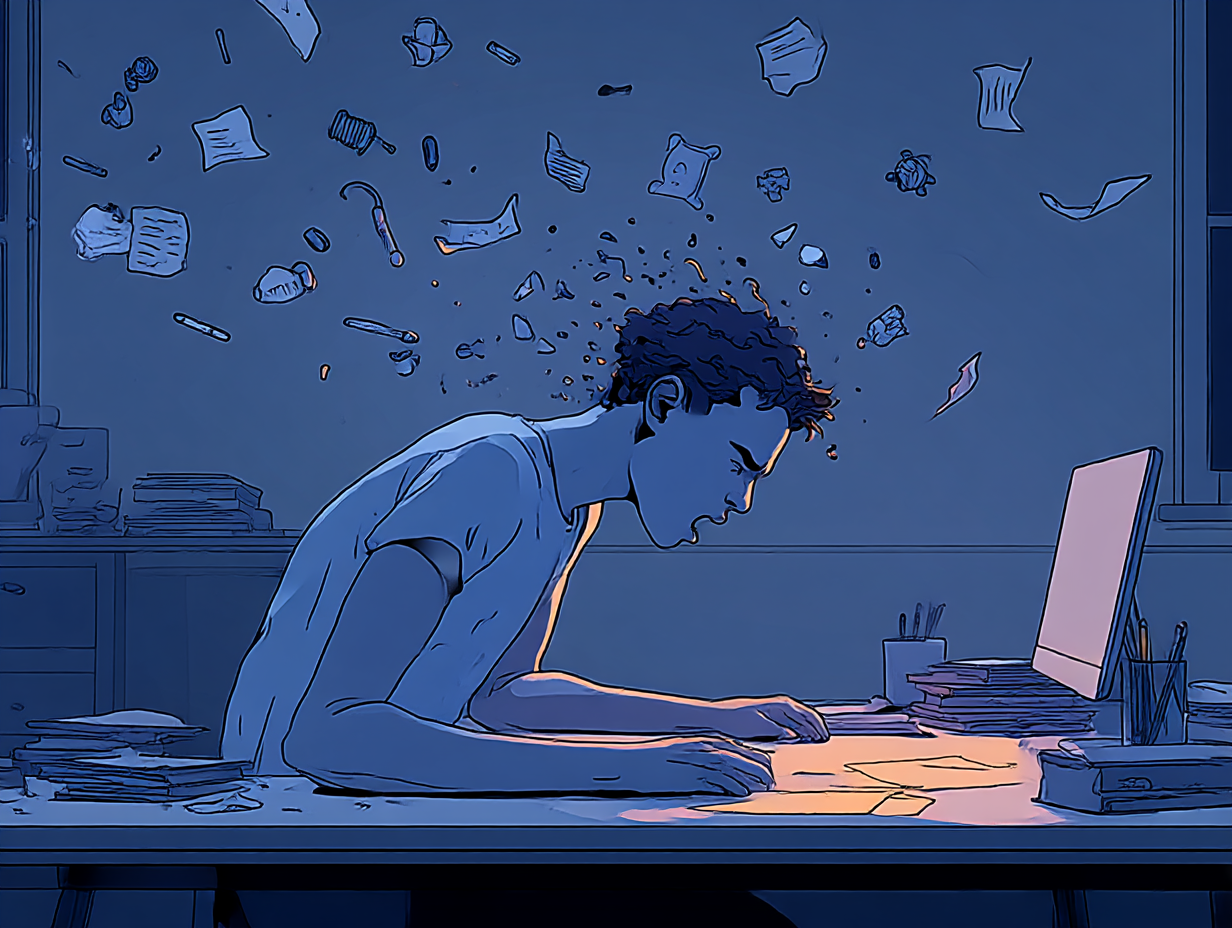
Is ADHD Rage a Real Symptom of ADHD?
Yes — intense anger outbursts are commonly reported by people with ADHD, even though the term “ADHD rage” does not appear in the DSM-5-TR. Emotional dysregulation is increasingly recognized by clinicians as a core feature of ADHD, especially in adolescents and adults.
Here’s the key point: ADHD is not just about attention. It also affects how the brain regulates emotion.
Emotional Dysregulation and ADHD
ADHD is classified in the DSM-5-TR as a neurodevelopmental disorder involving persistent patterns of inattention and/or hyperactivity-impulsivity. But research and clinical experience show that many people with ADHD also struggle with rapid emotional shifts, low frustration tolerance, and difficulty “braking” strong feelings once they start.
Emotional dysregulation in ADHD often looks like:
- explosive anger over small triggers
- difficulty calming down once upset
- feeling overwhelmed by criticism
- intense shame after an outburst
- irritability that seems disproportionate
For example, imagine an adult with ADHD who receives minor feedback at work. Within seconds, their heart races, their thoughts spiral, and they snap at a coworker. Ten minutes later, they feel embarrassed and confused about why the reaction was so strong. That fast escalation — and the regret that follows — is typical of ADHD-related anger.
Why It Feels So Sudden
People experiencing ADHD rage often describe it as “going from zero to one hundred.” That’s because ADHD affects executive functions — the brain’s self-management system. Executive functions help regulate impulses, pause before reacting, and shift attention away from emotionally charged stimuli.
When executive control is weaker, emotional signals can overpower the system. The result isn’t intentional aggression. It’s difficulty regulating intensity.
The prefrontal cortex, which supports impulse control and planning, tends to be less efficient in ADHD. At the same time, emotional centers like the amygdala can react strongly to perceived frustration or rejection. That imbalance can create rapid emotional spikes.
Is This Just “Having a Bad Temper”?
No. A bad temper implies character. ADHD rage reflects neurological differences in regulation and inhibition.
That said, not every angry outburst means someone has ADHD. Many conditions can involve irritability or anger, including trauma-related disorders, mood disorders, and chronic stress. The difference is pattern and context. In ADHD, anger often appears alongside lifelong symptoms of inattention, impulsivity, or hyperactivity that began in childhood.
The Shame Cycle
One overlooked part of ADHD rage is what happens afterward.
Many people experience intense guilt, self-criticism, or even hopelessness after an outburst. This “shame crash” can be as distressing as the anger itself. In some cases, especially when rejection sensitive dysphoria is present, minor social setbacks can feel overwhelmingly painful, triggering a defensive reaction.
If you’ve thought, “Why can’t I control this?” — that reaction is common. The goal isn’t to excuse harmful behavior, but to understand its mechanism so it can be managed more effectively.
Important to know: ADHD rage is not a formal diagnosis, and anger alone does not confirm ADHD. A licensed psychologist, psychiatrist, or other qualified mental health professional can assess symptoms using DSM-5-TR criteria and rule out other conditions. If anger is leading to harm or safety concerns, seek immediate support.
Why ADHD Anger Outbursts Escalate So Fast
ADHD anger outbursts often feel instantaneous because the brain systems that regulate emotion and impulse control are not syncing efficiently. The reaction isn’t planned — it’s rapid activation followed by delayed braking. Understanding that mechanism makes the intensity less mysterious and more manageable.
Let’s break down what’s happening.
The Brain’s “Gas and Brake” System
Think of emotional regulation as a car with a gas pedal and a brake. The amygdala acts like the gas — it detects threat, frustration, or rejection and triggers a fast emotional response. The prefrontal cortex functions as the brake — it slows reactions, weighs consequences, and helps you choose a response.
In ADHD, research suggests the brake system is less consistent. Executive function differences make it harder to pause before reacting. At the same time, emotional signals can feel amplified.
So when something mildly frustrating happens — a child refuses to listen, a partner interrupts, a task feels overwhelming — the emotional gas pedal activates quickly. But the brake lags behind. That’s why ADHD rage can escalate within seconds.
Dopamine and Frustration Intolerance
ADHD is associated with differences in dopamine regulation. Dopamine plays a role in motivation, reward processing, and emotional reinforcement. When dopamine signaling is inconsistent, tasks that feel boring, delayed, or unrewarding can trigger disproportionate frustration.
For example, imagine spending 20 minutes trying to complete a simple online form. The website freezes. Instead of mild annoyance, your body floods with irritation. Your chest tightens. You slam the laptop shut. The reaction feels bigger than the event.
That’s frustration intolerance — a lower threshold for emotional overload. It doesn’t mean you lack maturity. It reflects how quickly your nervous system becomes overstimulated.
Impulsivity and Verbal Reactivity
Impulsivity is one of the core features of ADHD under DSM-5-TR criteria. While it’s often discussed in terms of interrupting conversations or acting without thinking, emotional impulsivity is equally important.
Emotional impulsivity means:
- speaking before reflecting
- reacting to tone instead of content
- escalating arguments rapidly
- difficulty shifting away from anger once activated
Here’s the thing: once emotional activation begins, cognitive flexibility drops. The brain locks into the emotion. That’s why logic rarely works in the middle of an outburst.
Rejection Sensitivity
Many people with ADHD experience intense sensitivity to perceived rejection or criticism. Sometimes referred to as rejection sensitive dysphoria (RSD), this reaction can make neutral feedback feel deeply personal.
A partner saying, “Can you help with the dishes?” might register as “You’re failing again.” That perception — even if inaccurate — can trigger defensiveness or anger before the conscious mind has time to reinterpret it.
The speed of escalation isn’t deliberate hostility. It’s a rapid threat response shaped by past experiences of criticism, academic struggles, or social misunderstandings.
The Aftermath: Nervous System Crash
After ADHD anger outbursts, many people experience emotional exhaustion. Cortisol and adrenaline levels drop. Shame sets in. The person may withdraw, apologize excessively, or ruminate for hours.
This cycle — activation, explosion, crash — can repeat if underlying regulation skills aren’t strengthened.
If this pattern feels familiar, it doesn’t mean you’re broken. It means your nervous system needs different regulation tools.
How Can You Calm ADHD Rage in the Moment?
When ADHD rage is building, logic alone won’t stop it. The nervous system has already shifted into high alert. The goal in the moment is not to win the argument or solve the problem — it’s to regulate your body first, then your thoughts.
Here are practical tools that work with the brain, not against it.
1. Pause the Escalation Physically
The fastest way to interrupt an ADHD anger outburst is through the body.
Try one of these immediately:
- step out of the room for 5 minutes
- splash cold water on your face
- press your feet firmly into the floor and take 5 slow breaths
- clench and release your fists repeatedly
Cold water and paced breathing activate the parasympathetic nervous system, which helps counter adrenaline. Even a short physical reset can lower emotional intensity enough to prevent escalation.
If you’re in a heated conversation, use a script:
“I need five minutes to cool down. I’ll come back.”
That pause protects relationships.
2. Use a 10-Second Delay Rule
Impulsivity fuels ADHD rage. A built-in delay weakens the reaction.
Before responding, silently count backward from 10. If that feels impossible, type your response into your phone notes instead of sending it. Physical delay creates space for the prefrontal cortex — the brain’s brake system — to engage.
It may feel awkward at first. That’s okay. Regulation skills are trainable.
3. Reduce Sensory Overload
Many anger spikes are worsened by overstimulation.
Ask yourself:
- am I hungry?
- am I sleep deprived?
- is the room noisy or chaotic?
- have I been focused too long without a break?
For example, a parent with ADHD trying to cook dinner while answering emails and managing a loud child may hit overload quickly. Removing one sensory input — turning off notifications or stepping outside — can dramatically reduce intensity.
4. Name the Emotion Accurately
Anger is often a secondary emotion.
Underneath ADHD rage might be:
- embarrassment
- overwhelm
- feeling incompetent
- fear of rejection
- frustration at losing control
Saying internally, “I feel overwhelmed,” instead of “I’m furious,” can shift the brain from reaction to reflection. This is a core technique in Dialectical Behavior Therapy, which focuses on emotion regulation skills.

5. Create an “Aftercare” Plan
The moment after an outburst matters.
Instead of spiraling into shame, try:
- brief accountability, “I raised my voice. I’m sorry.”
- 10 minutes of physical movement
- journaling what triggered the escalation
- identifying one adjustment for next time
The goal isn’t perfection. It’s pattern awareness.
Here’s the thing: if outbursts happen repeatedly, in-the-moment tools are helpful — but long-term regulation strategies matter more.
Building Long-Term Emotional Regulation
While calming ADHD rage during an episode is essential, preventing escalation requires ongoing skill development.
Evidence-based approaches often include:
- Cognitive Behavioral Therapy to challenge distorted thoughts
- DBT skills for distress tolerance and emotional regulation
- medication consultation with a psychiatrist
- structured routines to reduce decision fatigue
- exercise and sleep stabilization
Stimulant and non-stimulant medications used for ADHD can improve impulse control for some people, which may indirectly reduce anger intensity. Medication decisions should always be discussed with a licensed psychiatrist or medical provider.
For Parents of Children with ADHD
If a child is experiencing ADHD anger outbursts, focus first on co-regulation.
That means:
- keeping your voice steady
- lowering stimulation
- validating feelings without reinforcing aggression
- setting clear but calm limits
Example:
“I see you’re really frustrated. We’re going to take a break, and we’ll try again.”
Parent training programs and family therapy can significantly reduce escalation patterns.
Important to know: If anger episodes involve physical violence, threats, or loss of control while driving, seek immediate professional support. Call or text 988 if emotional distress escalates to crisis levels. If someone is in immediate danger, call 911.
You don’t have to eliminate anger to make progress. The goal is shortening the duration, lowering the intensity, and increasing recovery speed. Even small improvements — one fewer escalation per week — signal that regulation skills are strengthening.
ADHD Rage vs Other Anger Disorders
Not every intense outburst is caused by ADHD. While ADHD rage is rooted in emotional dysregulation and impulsivity, other mental health conditions can also involve anger. Understanding the differences helps clarify when ADHD is the likely driver — and when further evaluation is important.
Here’s the short version: ADHD anger is usually reactive, brief, and followed by regret. Other disorders may show different timing, triggers, or mood patterns.
Key Differences in Pattern and Duration
In ADHD, anger often escalates quickly in response to frustration, interruption, or perceived criticism. The outburst is intense but typically short-lived. Once the nervous system settles, the person may feel embarrassed or remorseful.
In contrast:
- Intermittent Explosive Disorder involves recurrent, disproportionate aggressive outbursts that may include physical violence and are not better explained by another condition.
- Bipolar disorder involves sustained mood episodes lasting days to weeks, not just minutes. Irritability may be persistent rather than reactive.
- Trauma-related disorders can involve anger triggered by reminders of past trauma, often alongside hypervigilance or dissociation.
If anger appears alongside lifelong inattention, impulsivity, disorganization, and difficulty sustaining focus, ADHD may be part of the picture. A comprehensive assessment by a licensed psychologist or psychiatrist is the most accurate way to differentiate.
| Condition | Trigger Pattern | Duration | Aftermath |
|---|---|---|---|
| ADHD | Frustration, interruption | Minutes to hours | Shame, regret |
| Intermittent Explosive Disorder | Minor provocation | Brief but severe | Possible legal issues |
| Bipolar Disorder | Mood episode shift | Days to weeks | Elevated or depressed mood |
| Trauma-Related Disorder | Trauma reminder | Variable | Hyperarousal, avoidance |
This table is simplified. Real-life presentations can overlap, and co-occurring conditions are common. For example, someone may have both ADHD and a mood disorder.
What About “Just Being an Angry Person”?
Here’s the thing: anger is an emotion, not a personality trait. When anger feels uncontrollable, disproportionate, or damaging to relationships, it deserves attention — not self-blame.
A trained clinician will look at developmental history, symptom onset, mood patterns, trauma exposure, substance use, and family history before drawing conclusions. ADHD rage tends to fit a pattern of lifelong regulation difficulty rather than new-onset mood instability.
If outbursts include physical aggression, property damage, or threats, immediate professional support is critical — regardless of diagnosis.
Understanding the pattern behind the anger is the first step toward changing it.
When Should You Seek Professional Help for ADHD Rage?
Occasional anger doesn’t automatically require therapy. But when ADHD rage begins to damage relationships, interfere with work, or create safety concerns, professional support can make a meaningful difference. The goal of treatment isn’t to eliminate emotion — it’s to increase regulation and reduce harm.
Here’s how to know it may be time to reach out.
Signs It’s Time to Talk to a Professional
Consider consulting a licensed psychologist, clinical social worker, counselor, or psychiatrist if:
- outbursts are happening weekly or more
- anger feels uncontrollable once triggered
- you’ve scared someone — or yourself
- you’re experiencing intense shame or hopelessness afterward
- work, parenting, or relationships are suffering
If episodes involve physical violence, threats, reckless driving, or thoughts of self-harm, seek help immediately. Call or text 988 to reach the Suicide & Crisis Lifeline in the U.S. If someone is in immediate danger, call 911.
Reaching out early often prevents escalation.
What Treatment Typically Involves
Treatment for ADHD-related anger focuses on regulation skills and impulse control. A clinician will not diagnose “ADHD rage” — instead, they’ll assess ADHD symptoms using DSM-5-TR criteria and evaluate for co-occurring conditions.
Common treatment components include:
Cognitive Behavioral Therapy
CBT helps identify distorted thoughts that amplify frustration. For example, shifting from “This always goes wrong” to “This is frustrating, but temporary” can reduce emotional intensity.
Dialectical Behavior Therapy Skills
DBT teaches distress tolerance and emotion regulation strategies designed for high-intensity reactions. These skills are especially helpful when escalation feels rapid.
Medication Consultation
Stimulant and non-stimulant ADHD medications can improve executive functioning and impulse control for some individuals. While medication doesn’t directly “treat anger,” better regulation often lowers emotional spikes. Medication decisions should be discussed with a licensed psychiatrist or qualified medical provider.

Parent Training for children with ADHD
For families, structured parent training programs can significantly reduce conflict patterns and improve co-regulation skills.
Does ADHD Rage Go Away?
In many cases, yes — with treatment and skill development, emotional regulation improves significantly. Adults often report that once they understand their triggers and build coping tools, the frequency and intensity of outbursts decrease.
Progress usually looks like:
- fewer explosive episodes
- shorter duration of anger
- faster recovery afterward
- reduced shame cycle
Here’s the reassuring part: the brain remains adaptable throughout life. Regulation skills strengthen with repetition, structure, and support.
Addressing Concerns About Stigma
Many adults hesitate to seek help because they worry it means they’ve failed. That’s understandable. But seeking therapy is not an admission of weakness — it’s a proactive decision to protect your relationships and mental health.
Confidential therapy in the U.S. is protected under HIPAA regulations. Sessions are private except in situations involving imminent risk of harm, consistent with ethical and legal standards.
If you’re unsure where to begin, you can:
- contact your primary care provider for a referral
- search directories like Psychology Today
- use your insurance provider’s mental health directory
- reach out to local community mental health clinics
The earlier you intervene, the easier the pattern is to change. You don’t have to wait for a crisis to deserve support.
References
1. National Institute of Mental Health. Attention-Deficit/Hyperactivity Disorder. 2023.
2. Centers for Disease Control and Prevention. Data and Statistics About ADHD. 2024.
3. American Psychiatric Association. Diagnostic and Statistical Manual of Mental Disorders DSM-5-TR. 2022.
4. Mayo Clinic. ADHD: Symptoms and Causes. 2023.
5. Substance Abuse and Mental Health Services Administration. 988 Suicide & Crisis Lifeline. 2023.
Conclusion
Anger that feels explosive and uncontrollable can be deeply unsettling — especially when it repeats. ADHD rage reflects differences in emotional regulation and impulse control, not a character flaw. Once you understand the mechanism, you can begin to interrupt it.
In many cases, progress looks gradual: fewer escalations, shorter episodes, faster recovery. Skills like structured pauses, sensory regulation, and cognitive reframing strengthen the brain’s “brake system” over time. Therapy and, when appropriate, medication can further support that process.
If anger is harming relationships or creating safety concerns, reaching out to a licensed mental health professional is a responsible next step. And if emotional distress ever escalates to crisis levels, call or text 988 in the United States. If someone is in immediate danger, call 911.
You are not alone in this — and regulation is a skill that can be built.
Frequently Asked Questions
Is ADHD rage officially recognized in the DSM-5-TR?
The term “ADHD rage” is not a formal diagnosis in the DSM-5-TR. However, emotional dysregulation and impulsivity are widely recognized by clinicians as common features of ADHD that can contribute to intense anger outbursts.
Why does ADHD make anger feel so intense?
ADHD affects executive function and impulse control, making it harder to pause before reacting. When the brain’s emotional centers activate quickly and regulatory systems lag behind, anger can escalate rapidly.
Can medication reduce ADHD anger outbursts?
For some individuals, ADHD medications improve impulse control and executive functioning, which may reduce the frequency or intensity of anger episodes. Medication decisions should always be discussed with a licensed psychiatrist or qualified medical provider.
Is ADHD rage the same as Intermittent Explosive Disorder?
No. Intermittent Explosive Disorder involves recurrent aggressive outbursts that are not better explained by another condition. ADHD-related anger is typically reactive, shorter in duration, and occurs alongside longstanding symptoms of inattention or impulsivity.
When should I seek immediate help for anger?
Seek immediate support if anger episodes involve threats, physical violence, reckless behavior, or thoughts of self-harm. In the U.S., call or text 988 for the Suicide & Crisis Lifeline, or call 911 if someone is in immediate danger.