How to Stop Shaking From Anxiety: Calming Techniques That Work

/https://cdn.freudly.ai/media/pages/images/3d41a78e-1e3e-4d32-ba58-fd74975a3aa4.png)
Anxiety can feel overwhelming, especially when your body reacts in ways you can’t control. If you’re trying to stop shaking from anxiety, you’re likely dealing with a surge of physical symptoms that feel intense and confusing. The good news is that this reaction is a natural part of your body’s stress response, not a sign that something is seriously wrong.
In this guide, you’ll learn why anxiety causes shaking, what’s happening in your nervous system, and how to calm your body quickly using techniques that actually work. You’ll also understand when it might be helpful to reach out to a licensed mental health professional.

Why Does Anxiety Cause Shaking in Your Body?
Shaking from anxiety happens because your body is preparing to respond to a perceived threat. Even if there’s no real danger, your nervous system reacts as if there is, activating a built-in survival mechanism.
Here’s the thing: when anxiety rises, your brain signals the release of stress hormones like adrenaline. This activates the fight-or-flight response, increasing heart rate, tightening muscles, and sending extra energy through your body. That excess energy often shows up as trembling or shaking.
From a biological perspective, this process is driven by the sympathetic nervous system. The amygdala, a part of the brain involved in threat detection, sends a rapid signal that something might be wrong. In response, your body prepares to either escape or defend itself, even if the “threat” is something like a stressful meeting or social situation.
For example, imagine you’re about to speak in front of a group. Your hands start shaking, your voice feels unsteady, and your body feels tense. This isn’t weakness, it’s your body mobilizing energy to help you perform under pressure. The problem is that the response can overshoot what the situation actually requires.
At the same time, muscle tension plays a role. When muscles contract and stay activated, they can begin to tremble. Combined with rapid breathing and increased adrenaline, this creates the noticeable shaking sensation many people experience during anxiety.
It’s also important to understand that shaking can happen even when you don’t feel consciously anxious. Sometimes the body reacts faster than your thoughts, especially if you’ve been under prolonged stress or have a sensitive stress response system.

If you’ve ever wondered, “Why is my body doing this out of nowhere?” - you’re not alone. In many cases, your nervous system is simply overactivated, not broken.
Is Shaking From Anxiety Dangerous or Normal?
In most cases, shaking from anxiety is completely normal and not dangerous. It’s a physical expression of your body’s stress response, even though it can feel alarming in the moment.
When your body releases adrenaline, it creates temporary changes like muscle tension, faster breathing, and increased energy. Shaking is simply one of the ways that energy gets discharged. While it may feel intense, it does not harm your body.
If you’ve ever thought, “Am I losing control?” or “Is something seriously wrong with me?” - that reaction is very common. Anxiety symptoms often feel disproportionate to the situation, which can make them seem dangerous. But in reality, they are time-limited and usually peak within minutes before gradually subsiding.
For example, someone sitting in a quiet office might suddenly notice their hands trembling during a stressful email exchange. Even though there’s no physical threat, the body reacts as if there is. The shaking can feel embarrassing or hard to hide, but it will pass as the nervous system settles.
At the same time, it’s helpful to know where the boundary is. Occasional shaking linked to stress, public speaking, or overwhelming situations is considered a typical anxiety response. However, if the symptom happens frequently, lasts for long periods, or interferes with your ability to function, it may be worth exploring additional support.
According to organizations like the National Institute of Mental Health, anxiety often includes physical symptoms such as trembling, sweating, and muscle tension. These are part of the body’s natural response system, not signs of damage or disease.
Here’s a key point: your body is trying to protect you, not harm you. The discomfort comes from an overactive response, not from something breaking inside you.
If you’re ever unsure whether your symptoms are related to anxiety or something medical, it’s reasonable to consult a primary care provider. Getting clarity can reduce fear and help you focus on the right kind of support.
How to Stop Shaking From Anxiety Quickly in the Moment
If you want to stop shaking from anxiety quickly, the goal is to calm your nervous system, not fight the symptom itself. The more you try to “force” your body to stop, the more tension you create. Instead, these techniques help your body shift out of the stress response naturally.
1. Slow your breathing to reset your body
Shallow, fast breathing keeps the nervous system activated. Slowing your breath sends a signal that you’re safe.
Try this: inhale through your nose for 4 seconds, hold for 2, then exhale slowly through your mouth for 6 seconds. Repeat for 1 - 2 minutes.
For example, if your hands start shaking before a meeting, you can do this quietly at your desk. Within a minute, your heart rate often begins to slow, and the shaking can reduce.
2. Ground your attention in the present moment
Anxiety pulls your focus into “what if” thoughts. Grounding brings you back to what’s actually happening right now.
Use the 5 - 4 - 3 - 2 - 1 method:
- 5 things you can see
- 4 things you can touch
- 3 things you can hear
- 2 things you can smell
- 1 thing you can taste
This interrupts the stress loop and gives your brain a new signal: there is no immediate danger.
3. Release muscle tension intentionally
Shaking often comes from muscles being overactivated. Instead of resisting it, gently engage and release your muscles.
Tighten your hands into fists for 5 seconds, then slowly release. Repeat with shoulders or legs. This helps your body discharge excess energy more smoothly.
4. Use temperature to calm your nervous system
Cold exposure can quickly reduce the intensity of anxiety symptoms.
Splash cold water on your face or hold something cold, like a bottle or ice pack. This activates a reflex that slows your heart rate and helps stabilize your body.
5. Shift your focus outward
When you focus on the shaking, it often feels stronger. Gently redirect your attention to something external.
For instance, during a conversation, focus on the other person’s words or your surroundings instead of your body. This reduces the feedback loop that amplifies symptoms.
Here’s the key idea: your body is already trying to come back to balance. These techniques don’t “fix” anxiety instantly, but they help your nervous system settle faster.
If the shaking doesn’t stop immediately, that doesn’t mean the techniques aren’t working. Even small shifts, like slightly slower breathing or reduced tension, are signs that your body is moving in the right direction.
Techniques That Calm Your Nervous System Long Term
Stopping anxiety shaking in the moment is helpful, but reducing how often it happens requires working with your nervous system over time. The goal here is to lower your baseline level of stress so your body reacts less intensely.
1. Train your breathing outside of stressful moments
Breathing techniques work best when they become familiar. Practicing slow, controlled breathing for a few minutes each day helps your body learn how to return to a calm state more easily.
For instance, spending 5 minutes each evening practicing steady breathing can make a noticeable difference when anxiety shows up later. Your body recognizes the pattern and responds faster.
2. Build awareness of your triggers
Anxiety shaking often follows specific patterns. It might happen before social interactions, deadlines, or after too much caffeine.

Start noticing when it appears. Ask yourself: What happened right before this? Over time, patterns become clearer, which gives you more control over your response.
3. Use cognitive strategies to reduce escalation
Your thoughts can amplify physical symptoms. When you interpret shaking as dangerous, your body reacts with even more stress.
Instead, try reframing: “This is my nervous system reacting. It will pass.” This approach, often used in cognitive behavioral therapy, helps break the cycle between fear and physical symptoms.
4. Incorporate regular movement
Physical activity helps regulate the stress response system. It allows your body to release built-up tension and reduces overall arousal levels.
Even moderate activities like walking, swimming, or cycling can help stabilize your nervous system over time.
5. Support your body with consistent habits
Sleep, nutrition, and caffeine intake all affect how reactive your nervous system becomes.
For example, poor sleep or high caffeine consumption can make shaking more likely because your body is already in a heightened state. Small adjustments in daily habits can reduce the intensity of anxiety responses.
At the same time, it’s important to recognize that progress is gradual. You may still experience shaking occasionally, but the intensity and frequency often decrease as your nervous system becomes more regulated.
If you’ve ever felt frustrated that symptoms keep coming back, that’s a common experience. Long-term change isn’t about eliminating anxiety completely, it’s about making your body more resilient and less reactive over time.
When Should You Seek Help for Anxiety Shaking?
Occasional shaking from anxiety is common, but there are times when getting professional support can make a meaningful difference. The key is noticing when symptoms become persistent, intense, or start interfering with your daily life.
If shaking happens frequently, feels unpredictable, or leads you to avoid situations like work, social events, or travel, it may be helpful to speak with a licensed mental health professional. In the U.S., this could include a psychologist, clinical social worker, counselor, or psychiatrist.
For example, if you begin canceling meetings because you’re afraid your hands will shake, or you feel constant tension even on calm days, those are signs that your nervous system may need additional support beyond self-help techniques.
Signs it may be time to reach out
You might consider professional help if you notice:
- shaking episodes that happen often or without a clear trigger
- difficulty concentrating, sleeping, or functioning normally
- increasing fear of symptoms themselves
- avoidance of situations due to anxiety
- physical symptoms that feel overwhelming or hard to manage
How therapy can help
Therapy provides a structured way to understand and regulate anxiety. Approaches like cognitive behavioral therapy (CBT) help you change the patterns that keep the stress response activated. Over time, this can reduce both the emotional and physical symptoms, including shaking.
A clinician may also help you identify triggers, build coping skills, and gradually face situations that feel difficult. This process is collaborative and tailored to your specific experiences.
Medical and safety considerations
If you’re unsure whether your symptoms are related to anxiety or a physical condition, it’s reasonable to consult a primary care provider. They can rule out factors such as thyroid issues, medication effects, or blood sugar changes.
At the same time, certain signs require immediate attention. If anxiety is accompanied by severe chest pain, fainting, or symptoms that feel unfamiliar and intense, seeking urgent medical care is appropriate.
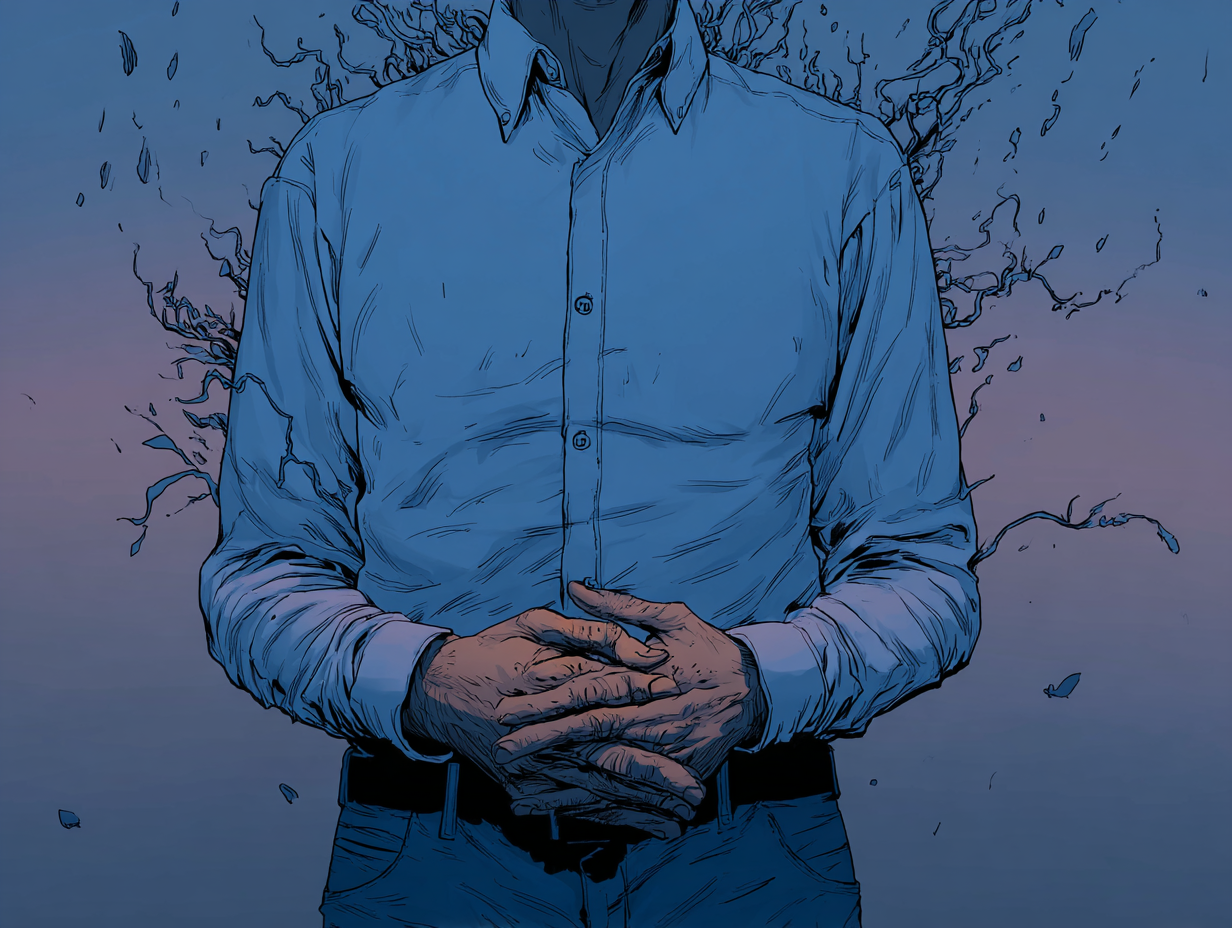
If distress escalates to thoughts of hopelessness or self-harm, support is available. You can call or text 988 to reach the Suicide and Crisis Lifeline in the United States.
If you are in immediate danger, call 911.
Reaching out for help doesn’t mean something is wrong with you. It means you’re responding to your body with awareness and taking steps to feel better in a sustainable way.
References
1. National Institute of Mental Health. Anxiety Disorders. 2023.
2. American Psychological Association. Stress Effects on the Body. 2022.
3. Mayo Clinic. Anxiety Symptoms and Causes. 2023.
4. Cleveland Clinic. Anxiety Disorders Overview. 2022.
Conclusion
Shaking from anxiety can feel intense, but it’s a natural response of your body’s stress system. Understanding what’s happening inside your nervous system makes the experience less frightening and easier to manage.
Simple techniques like slow breathing, grounding, and muscle relaxation can help reduce symptoms in the moment. Over time, building consistent habits and coping strategies can lower how often these reactions occur.
You don’t have to manage this alone. If symptoms become overwhelming or start affecting your daily life, reaching out to a licensed mental health professional can provide structured support and relief.
If you ever feel unsafe or overwhelmed by distress, call or text 988 (Suicide & Crisis Lifeline in the U.S.). If you are in immediate danger, call 911.
Frequently Asked Questions
Why does anxiety make my body shake?
Anxiety activates your body’s fight-or-flight response, releasing adrenaline and increasing muscle tension. This extra energy can show up as trembling or shaking. It’s a normal physiological reaction, not a sign of harm.
How long does shaking from anxiety last?
Shaking usually peaks within minutes and gradually decreases as your nervous system calms down. The duration can vary depending on stress levels, but it typically does not last long once the body settles.
Can anxiety shaking happen without feeling anxious?
Yes. Sometimes the body reacts faster than conscious thoughts, especially during prolonged stress. You may notice physical symptoms like shaking even if you don’t feel mentally anxious at that moment.
What helps stop shaking from anxiety fast?
Slow breathing, grounding exercises, and releasing muscle tension can help calm your nervous system quickly. These techniques reduce the intensity of the stress response and help your body return to balance.
When should I see a therapist for anxiety symptoms?
If anxiety symptoms interfere with your daily life, relationships, or work, it may be helpful to consult a licensed mental health professional. Therapy can provide structured tools to manage both emotional and physical symptoms.
Is anxiety shaking dangerous?
No, anxiety shaking is not dangerous in itself. It’s a temporary reaction caused by your body’s stress response. However, if symptoms feel unusual or severe, it’s reasonable to consult a medical provider for reassurance.