Emotional Withdrawal: What It Is, Causes, and How to Reconnect
Sometimes you notice it quietly - conversations feel harder, emotions seem distant, and connecting with others takes more effort than it used to. You may still show up in your daily life, but something inside feels switched off. This experience is often called emotional withdrawal, and it’s more common than many people realize.
Emotional withdrawal is a psychological response where a person distances themselves from feelings, relationships, or stressful situations to protect themselves from overwhelm. It can happen during periods of stress, after emotional hurt, or when the mind tries to cope by shutting things down.
In this guide, you’ll learn why emotional withdrawal happens, how to recognize whether it’s a normal response or something more serious, and practical ways to reconnect with yourself and others. You’ll also understand when it may be helpful to seek support from a licensed mental health professional.
What Is Emotional Withdrawal and Why Does It Happen?
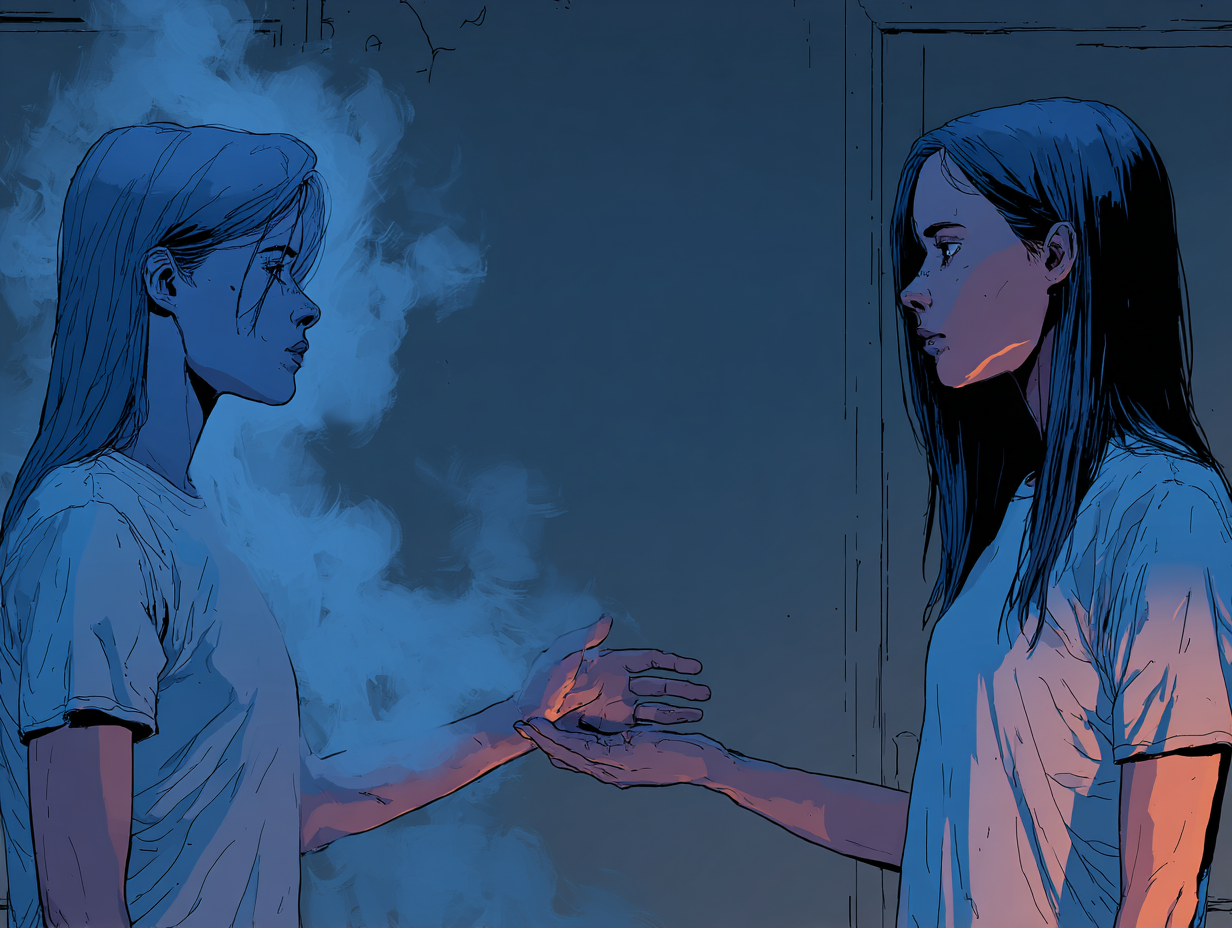
Emotional withdrawal is a protective response where a person pulls back from feelings, interactions, or relationships to reduce psychological stress. It’s not about not caring - it’s often about feeling too much and needing distance to cope.
Here’s the key idea: the brain is designed to protect you. When emotions become overwhelming, it may shift into a kind of “low-power mode,” reducing emotional intensity so you can keep functioning. This can look like detachment, numbness, or avoiding meaningful conversations.
The Core Mechanism: Emotional Avoidance
At the center of emotional withdrawal is avoidance coping. Instead of processing difficult emotions directly, the mind creates distance from them. In the short term, this can feel like relief. But over time, it can lead to disconnection - from both others and yourself.
For example, someone dealing with constant work stress might stop sharing how they feel with their partner. Not because they don’t trust them, but because talking about it feels exhausting. Gradually, conversations become more поверхностными, and emotional closeness fades.
Emotional Numbing and Mental Overload
Sometimes withdrawal doesn’t feel like avoidance - it feels like nothing at all. This is often described as emotional numbing. Instead of intense feelings, there’s a sense of flatness, like you’re going through the motions without real engagement.
This can happen when the nervous system has been under prolonged stress. Research referenced by organizations like the American Psychological Association shows that chronic stress can blunt emotional responsiveness as a way to conserve mental energy.
Picture this: after weeks of pressure at work and poor sleep, you’re sitting with friends but feel strangely disconnected. You hear the conversation, but it doesn’t fully land. That’s not indifference - it’s overload.
Common Causes of Emotional Withdrawal
Emotional withdrawal can develop for different reasons, and often it’s a combination rather than a single cause.
- chronic stress or burnout that overwhelms emotional capacity
- past emotional pain or trauma leading to self-protection
- fear of conflict or rejection in relationships
- feeling emotionally unsupported or misunderstood
- habitual avoidance patterns learned over time
In many cases, emotional withdrawal starts as an adaptive response. It helps you get through difficult periods without becoming completely overwhelmed. But if it continues for too long, it can begin to limit your ability to experience connection, joy, and emotional safety.
That’s why understanding what’s happening is the first step. Once you recognize emotional withdrawal as a pattern - not a personality trait - it becomes something you can work with, rather than something that defines you.
Is Emotional Withdrawal Normal or a Sign of Something More Serious?
In many cases, emotional withdrawal is a normal human response to stress, overwhelm, or emotional pain. The mind sometimes creates distance to help you cope. But if it lasts too long or starts affecting your daily life and relationships, it may signal something deeper.
Here’s how to think about it: short-term withdrawal can be protective, while long-term withdrawal can become limiting. The difference lies in duration, intensity, and impact on your functioning.
When Emotional Withdrawal Is a Normal Response
Temporary emotional distance often shows up during demanding periods. For instance, after a conflict, a major life change, or weeks of high workload, you might feel less emotionally available. This doesn’t mean something is wrong - it means your system is trying to recover.
In these cases, emotional withdrawal usually fades once stress decreases or emotional safety is restored. You gradually reconnect without forcing it.
When It May Signal Something More Serious
If emotional withdrawal becomes persistent, it may be connected to conditions like depression, chronic burnout, or unresolved trauma. According to the National Institute of Mental Health, emotional numbness and loss of interest are common features of depressive states, especially when they last for weeks or interfere with daily functioning.
For example, if you notice that you no longer enjoy activities you used to care about, avoid close relationships consistently, and feel emotionally flat most of the time, it’s worth paying closer attention.
Emotional Withdrawal vs. Depression
Because these experiences can overlap, it helps to compare them directly:
| Aspect | Emotional Withdrawal | Depression |
|---|---|---|
| Duration | often temporary | persistent, weeks or more |
| Emotions | reduced or avoided | low mood or emptiness |
| Energy | may be intact | often significantly reduced |
| Interest | situational disconnection | loss of interest in most activities |
| Recovery | improves with rest or support | often requires professional help |
This distinction matters. Emotional withdrawal can exist on its own, but it can also be part of a broader mental health pattern. Understanding where you fall helps guide your next steps.
A Simple Self-Check
You might ask yourself a few practical questions:
- has this feeling lasted more than a few weeks?
- is it affecting my relationships or work?
- do I feel disconnected even in safe or positive situations?
- am I avoiding emotions, or unable to feel them at all?
If most answers are “yes,” it may be time to look beyond temporary coping and consider additional support.
And here’s an important reminder: experiencing emotional withdrawal does not mean you’re weak or broken. It often reflects how your mind has learned to protect you. The next step is learning how to safely reconnect.
How Does Emotional Withdrawal Affect Relationships?
Emotional withdrawal doesn’t just stay inside - it often reshapes how you connect with others. When someone pulls back emotionally, even without meaning to, people around them usually feel the change.
At first, it may look subtle: shorter conversations, less eye contact, fewer shared moments. Over time, this distance can create confusion, frustration, or even conflict in relationships.
The Withdrawal Cycle in Relationships
Here’s what often happens. One person begins withdrawing emotionally, usually because they feel overwhelmed or unsure how to express what’s going on. The other person notices the distance and may react by asking more questions, seeking reassurance, or becoming upset.
Instead of bringing the two closer, this can create a cycle:
- one person withdraws to cope with internal stress
- the other pushes for connection or explanation
- the withdrawal deepens to avoid pressure or conflict
- both feel misunderstood or disconnected
This pattern is common in close relationships. It’s not about one person being “right” or “wrong” - it’s about mismatched coping styles.

How It Feels on Both Sides
If you’re the one experiencing emotional withdrawal, you might feel overwhelmed, tired, or unsure how to explain what’s happening inside. Talking about emotions can feel like too much, even with someone you trust.
If you’re on the other side, it may feel like rejection. You might wonder, “Did I do something wrong?” or “Why are they pulling away?” That uncertainty can lead to anxiety or attempts to “fix” the situation quickly.
For example, imagine coming home after a stressful day and feeling completely drained. Your partner asks how you are, but instead of opening up, you say “I’m fine” and avoid the conversation. Over time, repeated moments like this can make the relationship feel distant, even if the care is still there.
The Long-Term Impact
If emotional withdrawal continues without being addressed, it can weaken emotional intimacy. Conversations become more practical than personal, shared experiences feel less meaningful, and misunderstandings increase.
But here’s the important part: this process is reversible. Emotional withdrawal doesn’t mean the connection is gone - it means the connection needs support and attention.
Recognizing the pattern is already a powerful step. Once both people understand what’s happening, it becomes easier to shift from blame to curiosity - and from distance to reconnection.
How to Reconnect After Emotional Withdrawal: Practical Steps
Reconnecting after emotional withdrawal doesn’t happen all at once. It’s a gradual process of rebuilding awareness, safety, and emotional presence. The goal is not to force feelings back, but to create conditions where they can return naturally.
Here’s the key idea: small, consistent actions matter more than big emotional breakthroughs. You’re retraining your system to feel safe with connection again.
1. Start with Awareness, Not Judgment
The first step is simply noticing when emotional withdrawal happens. Instead of criticizing yourself, try to observe the pattern. When do you feel most disconnected - after stress, conflict, or certain conversations?
For instance, you might notice that after long workdays, you tend to shut down and avoid interaction. That awareness creates a starting point for change.
2. Reconnect with Your Own Emotions First
If you feel disconnected from others, it often means you’re also disconnected from your own emotional state. Begin with small check-ins throughout the day:
- what am I feeling right now?
- where do I feel tension in my body?
- what do I need at this moment?
You don’t need perfect answers. Even vague awareness - like “I feel off” or “I feel tired” - helps rebuild emotional access.
3. Use Low-Pressure Communication
Jumping straight into deep conversations can feel overwhelming. Instead, start with simple, honest statements:
“I’ve been feeling a bit distant lately, and I’m trying to understand why.”
This kind of communication reduces pressure and invites connection without forcing it. It also helps others understand that your distance isn’t rejection.
Imagine telling your partner this after a quiet week. That small shift can change the dynamic from confusion to cooperation.
4. Rebuild Connection Through Action
Emotional closeness doesn’t always start with talking - sometimes it starts with doing. Shared activities can gently restore connection:
- going for a short walk together
- watching a movie or cooking
- sitting рядом without pressure to talk
These moments create a sense of safety, which allows emotions to return over time.
5. Set Boundaries Around Overload
If emotional withdrawal is linked to stress, addressing the source is essential. That might mean:
- limiting overwork or constant availability
- taking breaks between demanding tasks
- reducing exposure to ongoing conflict
According to the American Psychological Association, chronic stress can reduce emotional responsiveness, making intentional recovery time a critical part of reconnecting.
6. Practice Self-Compassion
Here’s something many people overlook: pushing yourself to “just feel again” often backfires. Emotional systems respond better to patience than pressure.
If you’ve ever thought, “What’s wrong with me?” - try reframing it to, “Something in me is overwhelmed, and I’m learning how to respond differently.”
7. Consider Professional Support if Needed
If emotional withdrawal feels persistent or difficult to shift on your own, working with a therapist can help you explore underlying patterns and rebuild emotional connection safely. Approaches like cognitive behavioral therapy or acceptance and commitment therapy often focus on reducing avoidance and increasing emotional flexibility.
The process isn’t about forcing change - it’s about understanding yourself more clearly and building sustainable ways to reconnect.
When to Seek Professional Help for Emotional Withdrawal
Emotional withdrawal can sometimes resolve on its own, especially when it’s linked to temporary stress. But if it becomes persistent or starts affecting your daily life, professional support can make a meaningful difference.
The key question is not “Is this bad enough?” but “Is this affecting my well-being or relationships in a way I can’t change alone?”
Signs It May Be Time to Reach Out
You may want to consider speaking with a licensed mental health professional if you notice:
- emotional withdrawal lasting several weeks or longer
- difficulty feeling emotions even in positive situations
- increasing distance in close relationships
- loss of motivation or interest in daily life
- trouble sleeping, concentrating, or managing stress
According to the National Institute of Mental Health, persistent emotional numbness and loss of interest can be associated with underlying mental health conditions, particularly when they interfere with functioning.
What Professional Support Can Look Like
Reaching out doesn’t automatically mean long-term therapy or medication. It can start with a conversation. In the United States, licensed professionals such as psychologists, clinical social workers, counselors, or psychiatrists can help you understand what’s happening and explore options.
Therapy approaches often used in these situations include:
- cognitive behavioral therapy to address avoidance patterns
- acceptance and commitment therapy to increase emotional flexibility
- couples therapy if withdrawal affects a relationship
These approaches focus on helping you reconnect with emotions safely and gradually, rather than forcing immediate change.
Confidentiality and Safety
It’s normal to worry about privacy. In the U.S., therapy is protected by confidentiality laws, meaning what you share stays private, except in situations involving risk of harm to yourself or others.
This creates a space where you can explore emotional withdrawal openly, without judgment or consequences for your personal or professional life.
Crisis Support
If emotional withdrawal is accompanied by feelings of hopelessness, thoughts of self-harm, or a sense that you’re not safe, immediate support is essential.
Call or text 988 to reach the Suicide & Crisis Lifeline in the United States. If you are in immediate danger, call 911. These services are available 24/7 and provide confidential support.
Reaching out is not a sign of failure - it’s a step toward understanding and care.
References
1. National Institute of Mental Health. Depression. 2023.
2. American Psychological Association. Stress Effects on the Body. 2022.
3. Substance Abuse and Mental Health Services Administration. Mental Disorders. 2023.
4. Mayo Clinic. Depression Symptoms and Causes. 2023.
Conclusion
Emotional withdrawal can feel confusing, especially when you’re not sure why it’s happening. In many cases, it begins as a natural response to stress or emotional overload, but if it continues, it can create distance in your inner world and your relationships.
The key takeaway is that emotional withdrawal is not a fixed trait. It’s a pattern - one that can be understood and changed. Small steps toward awareness, communication, and reconnection can gradually restore emotional presence.
If you find that this pattern is persistent or difficult to shift on your own, reaching out to a licensed therapist can provide clarity and support. You don’t have to navigate this alone.
If you ever feel unsafe or overwhelmed by thoughts of hopelessness, call or text 988 (Suicide & Crisis Lifeline in the U.S.). If you are in immediate danger, call 911.
Frequently Asked Questions
Is emotional withdrawal a normal reaction to stress?
Yes, emotional withdrawal can be a normal short-term response to stress or overwhelm. The mind may reduce emotional intensity to help you cope. However, if it persists or affects your daily life, it may be helpful to seek support.
Can emotional withdrawal go away on its own?
In some cases, yes. When emotional withdrawal is linked to temporary stress, it may improve as conditions change. If it continues for weeks or feels deeply ingrained, professional guidance can help address underlying causes.
Is emotional withdrawal the same as depression?
Not necessarily. Emotional withdrawal can occur on its own or as part of depression. Depression typically includes persistent low mood, loss of interest, and changes in energy, while withdrawal may be more situational or temporary.
How can I reconnect emotionally with someone?
Start with small, low-pressure interactions. Honest but simple communication, shared activities, and patience can help rebuild connection over time. Emotional closeness often returns gradually, not instantly.
When should I see a therapist for emotional withdrawal?
If emotional withdrawal lasts several weeks, affects your relationships, or makes it difficult to function, it’s a good idea to consult a licensed mental health professional. Early support can prevent deeper patterns from developing.
Is it possible to feel emotions again after being numb?
Yes. Emotional numbness is often reversible. With time, self-awareness, and sometimes therapy, people can gradually reconnect with their emotional experience in a safe and manageable way.