Can Anxiety Cause Nausea? How Verbal Harassment Affects Your Body and What Helps

/https://cdn.freudly.ai/media/pages/images/dd44e5b3-db8d-4f25-aaa7-3f6babc1f75a.png)
If you’ve ever felt suddenly nauseous after a stressful conversation or conflict, you’re not imagining it. Anxiety nausea is a real and well-documented physical response, especially when emotional stress builds up in the body. For many people, experiences like verbal harassment or ongoing tension can trigger waves of nausea, stomach discomfort, or even a loss of appetite.
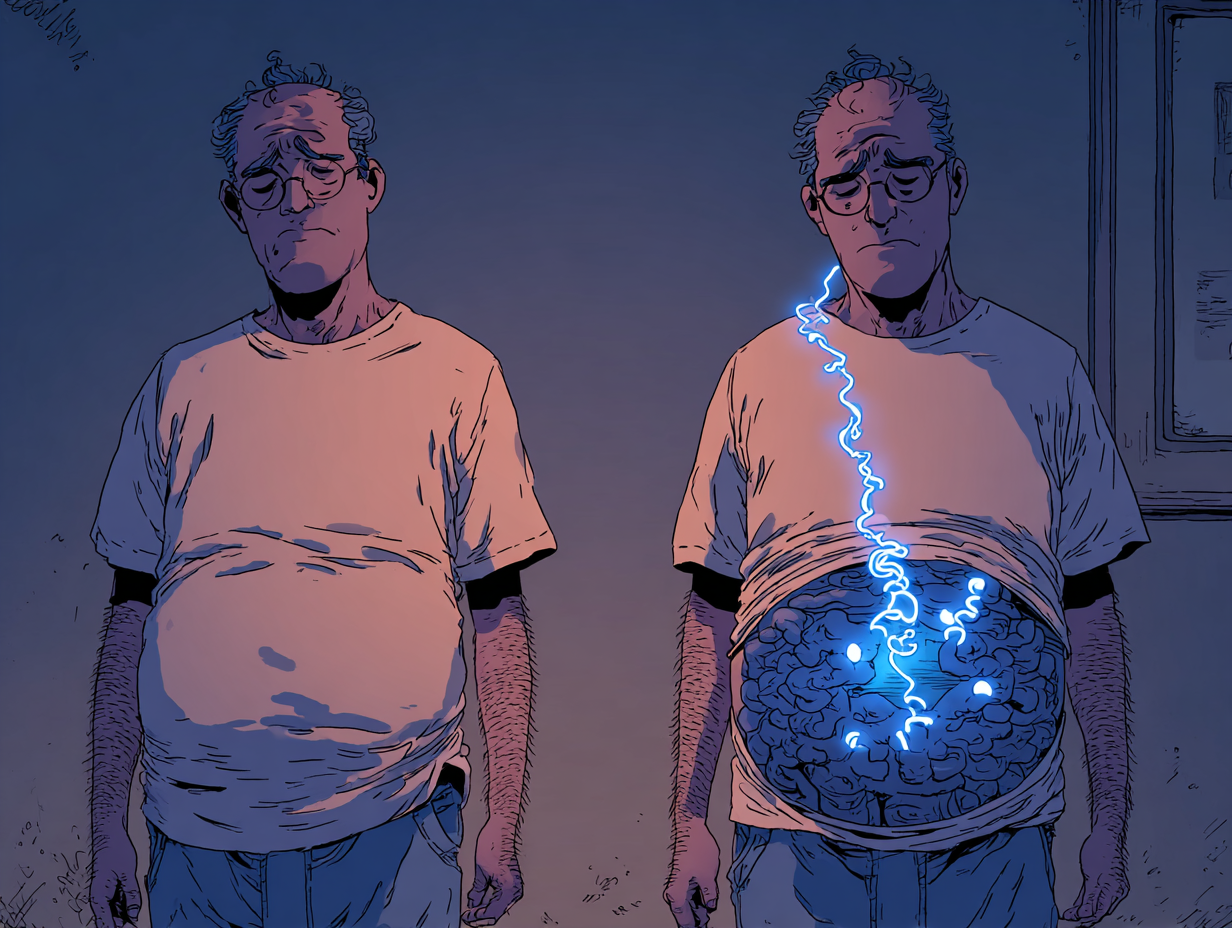
Here’s what’s happening: your brain and gut are deeply connected. When anxiety activates your stress response, it can directly affect digestion, muscle tension, and the way your body processes sensations. That’s why emotional experiences can feel intensely physical, even when there’s no underlying medical illness.
In this guide, you’ll learn why anxiety can cause nausea, how verbal harassment amplifies this reaction, what helps in the moment, and when it makes sense to talk to a licensed mental health professional or medical provider.

Can Anxiety Cause Nausea or Make You Feel Sick?
Yes, anxiety can cause nausea, and for many people, it’s one of the most noticeable physical symptoms of stress. The body doesn’t separate emotional and physical experiences as much as we think. When anxiety rises, your nervous system shifts into a stress response that affects multiple systems at once, including digestion.
This response is often called the “fight-or-flight” reaction. When your brain detects a threat, even a social or emotional one like conflict or criticism, it signals your body to prepare for action. Blood flow is redirected away from the stomach toward muscles, stress hormones like cortisol increase, and digestion slows down. That shift can create sensations like nausea, stomach tightness, or even the urge to vomit.
Here’s a common example: imagine you’re about to have a difficult conversation at work. Your heart rate increases, your thoughts race, and suddenly your stomach feels unsettled. That reaction is not random. It’s your body interpreting stress as a potential threat and adjusting accordingly.
The connection between anxiety and nausea is also explained by the gut-brain axis, a communication system linking your central nervous system with your digestive tract. This connection means that emotional stress can directly influence how your stomach feels and functions. In other words, anxiety doesn’t just “feel mental” - it becomes physical.
For most people, anxiety nausea is temporary and fades once the stressor passes. However, if anxiety is frequent or intense, these symptoms can become more persistent and start affecting daily life.
Why Does Anxiety Cause Nausea After Verbal Harassment?
Verbal harassment doesn’t just affect your emotions. It can activate the same stress systems in your body as a physical threat. That’s why anxiety nausea often shows up after repeated criticism, yelling, or emotionally aggressive interactions.
From a psychological perspective, verbal harassment creates a sense of threat and loss of safety. The brain, particularly areas involved in fear processing, interprets harsh words or humiliation as danger. Even if there’s no physical harm, your nervous system reacts as if there is.
This reaction activates the HPA axis, the body’s central stress response system. Stress hormones like cortisol and adrenaline increase, your heart rate rises, and digestion slows down. At the same time, the gut becomes more sensitive. This combination can lead to nausea, stomach pain, or a “knot” feeling that doesn’t go away quickly.
Here’s how it might look in real life: someone experiences ongoing verbal criticism from a partner or manager. After each interaction, they notice a wave of anxiety and nausea. Over time, even anticipating the next conversation can trigger the same physical response. The body starts reacting before anything even happens.
This is partly due to conditioning. When the brain repeatedly links a specific person or situation with stress, it learns to respond faster. Eventually, just thinking about the situation can activate anxiety symptoms, including nausea.
The gut-brain axis plays a key role here. The digestive system contains a large network of nerves that communicate directly with the brain through the vagus nerve. When stress signals increase, this communication shifts, affecting stomach function and sensitivity. That’s why anxiety and nausea are so closely connected, especially in emotionally charged situations.
It’s also important to understand that these reactions are not a sign of weakness. They are adaptive responses. Your body is trying to protect you by preparing for danger. However, when verbal harassment is ongoing, this system can become overactive, leading to persistent symptoms that feel difficult to control.
Over time, this pattern can contribute to chronic stress and emotional exhaustion. That’s why addressing both the psychological impact and the physical symptoms is essential for recovery.
Is It Normal to Feel Nauseous from Anxiety and Stress?
Yes, it is normal to feel nauseous from anxiety, especially during periods of intense stress or emotional conflict. Many people experience physical symptoms like stomach discomfort, appetite changes, or even dizziness when their nervous system is overloaded. The body is reacting to perceived threat, even if that threat is emotional rather than physical.
For example, someone might feel nauseous before a major presentation, after an argument, or when anticipating a difficult interaction. In these situations, anxiety nausea tends to come and go, easing once the stressor passes or the body calms down.

At the same time, not all nausea should be automatically attributed to anxiety. It’s important to notice patterns, duration, and severity. Occasional symptoms tied to stress are common. Persistent or worsening symptoms may need medical or psychological evaluation.
| Pattern | Anxiety-related nausea | Possible medical cause |
|---|---|---|
| Timing | Linked to stress events | Occurs randomly or constantly |
| Duration | Short-term, improves with calm | Persistent or worsening |
| Triggers | Conflict, pressure, fear | Food, infection, unknown |
| Other symptoms | Racing thoughts, tension | Fever, severe pain, vomiting |
Here’s the key point: feeling sick from anxiety is a valid mind-body response, not something you’re “making up.” But if nausea happens daily, interferes with eating, or appears without any clear emotional trigger, it’s worth checking in with a primary care provider to rule out physical conditions.
In many cases, both factors can exist together. Anxiety can intensify existing digestive sensitivity, and physical discomfort can increase anxiety in return. Understanding this cycle is the first step toward breaking it.
How to Stop Anxiety Nausea in the Moment?
If anxiety nausea hits suddenly, the goal is not to “fight” it but to calm your nervous system so your body can return to balance. Because the symptom is driven by the stress response, even small shifts in breathing, attention, and body awareness can reduce intensity.
Here are practical strategies that many people find helpful in the moment:
- slow breathing: inhale for 4 seconds, exhale for 6. Longer exhales signal safety to your nervous system and can reduce nausea within minutes;
- grounding through senses: name 5 things you can see, 4 you can touch, 3 you can hear. This shifts attention away from internal discomfort;
- gentle movement: a short walk or light stretching can help regulate the stress response and improve digestion;
- cool temperature: sipping cold water or placing something cool on your neck may reduce the intensity of nausea;
- body awareness: place a hand on your stomach and notice sensations without judging them. This reduces the fear that often amplifies symptoms;
For example, imagine you’ve just had a tense conversation and feel your stomach tighten. Instead of trying to ignore it, you pause, slow your breathing, and step outside for a few minutes. In many cases, the nausea begins to ease as your body exits the stress state.
Consistency matters. Practicing these techniques regularly, not just during high stress, can make your nervous system more resilient over time.
Important to know: if you try to suppress or “push away” anxiety symptoms, they often intensify. Acknowledging the sensation and gently redirecting your focus tends to work more effectively.
If symptoms are frequent, combining these strategies with structured approaches like cognitive behavioral therapy or mindfulness therapy can provide more stable, long-term relief.
When to Seek Professional Help If Anxiety Causes Nausea and Other Physical Symptoms
Occasional nausea during stress is common, but there are situations where professional support becomes important. If anxiety nausea is frequent, intense, or interfering with your ability to eat, sleep, or function day to day, it’s a good idea to talk with a healthcare provider or licensed mental health professional.
Some warning signs to pay attention to include:
- nausea that happens daily or without a clear trigger;
- significant weight loss or difficulty eating regularly;
- persistent vomiting or severe stomach pain;
- anxiety that feels overwhelming or hard to control;
- trouble working, maintaining relationships, or completing daily tasks;
A primary care provider can help rule out medical causes, while a psychologist, counselor, or psychiatrist can assess how anxiety may be affecting your body. In the United States, approaches like cognitive behavioral therapy are widely used to help people understand and manage the connection between thoughts, emotions, and physical symptoms.
Here’s the thing: feeling anxious from time to time is part of being human. But when symptoms become persistent or start limiting your life, support can make a meaningful difference. Therapy doesn’t just reduce anxiety. It can also help your body respond to stress in a more regulated way.
If your symptoms are connected to ongoing verbal harassment or a stressful environment, it may also be important to address those external factors. A mental health professional can help you explore boundaries, coping strategies, and next steps in a safe and structured way.

If distress escalates to feelings of hopelessness or thoughts of harming yourself, seek immediate help. In the United States, you can call or text 988 to reach the Suicide and Crisis Lifeline. If you are in immediate danger, call 911. These services are free, confidential, and available 24/7.
Reaching out for help is not a sign of weakness. It’s a practical step toward understanding what your body is telling you and finding ways to feel better.
References
1. National Institute of Mental Health. Anxiety Disorders. 2023.
2. Harvard Health Publishing. The Gut-Brain Connection. 2022.
3. American Psychological Association. Stress Effects on the Body. 2023.
4. Mayo Clinic. Anxiety Symptoms and Causes. 2023.
Conclusion
Anxiety can affect far more than your thoughts. It can show up in your body, including your stomach, especially in situations involving stress or verbal conflict. Nausea linked to anxiety is a real physiological response, shaped by how your brain and digestive system communicate.
Understanding this connection helps you respond with clarity instead of fear. Simple techniques like breathing, grounding, and movement can reduce symptoms in the moment, while therapy can support long-term regulation.
If symptoms become persistent or overwhelming, reaching out to a licensed professional can provide both relief and direction. And if you ever feel unsafe or in crisis, call or text 988, or dial 911 in an emergency. Support is always available.
Frequently Asked Questions
Can anxiety really make you feel nauseous every day?
Yes, anxiety can cause daily nausea, especially if stress is ongoing. However, persistent symptoms should be evaluated by a medical provider to rule out physical causes and to develop an appropriate treatment plan.
Why does my stomach react so strongly to stress?
Your digestive system is closely connected to your brain through the gut-brain axis. When stress increases, this system changes how your stomach functions, which can lead to nausea or discomfort.
Is nausea from anxiety dangerous?
In most cases, anxiety-related nausea is not dangerous and improves when stress decreases. However, severe or ongoing symptoms should be checked by a healthcare professional.
What helps anxiety nausea quickly?
Slow breathing, grounding exercises, light movement, and staying hydrated can help reduce nausea. These techniques calm the nervous system and support the body’s return to balance.
Should I see a therapist for anxiety and nausea?
If anxiety and physical symptoms are frequent or interfere with your life, speaking with a licensed therapist can help. Therapy can address both emotional triggers and physical stress responses.