How to Recover From Burnout: Steps to Restore Your Energy
There’s a point where being tired stops feeling temporary and starts feeling like something is off. You wake up already drained, simple tasks take effort, and even things that used to matter feel distant or meaningless. Many people begin searching for ways to recover from burnout when rest no longer works the way it used to.
Burnout is not just exhaustion. It is a state of chronic stress that gradually disrupts your energy, focus, and emotional connection to your life. It can build quietly over time, especially in high-pressure environments where pushing through is expected.
The good news is that burnout is reversible. Recovery does not happen through willpower alone, but through targeted changes that restore how your body and mind handle stress. In this guide, you will learn what burnout does to your system, how to rebuild your energy step by step, and when it makes sense to seek professional support.
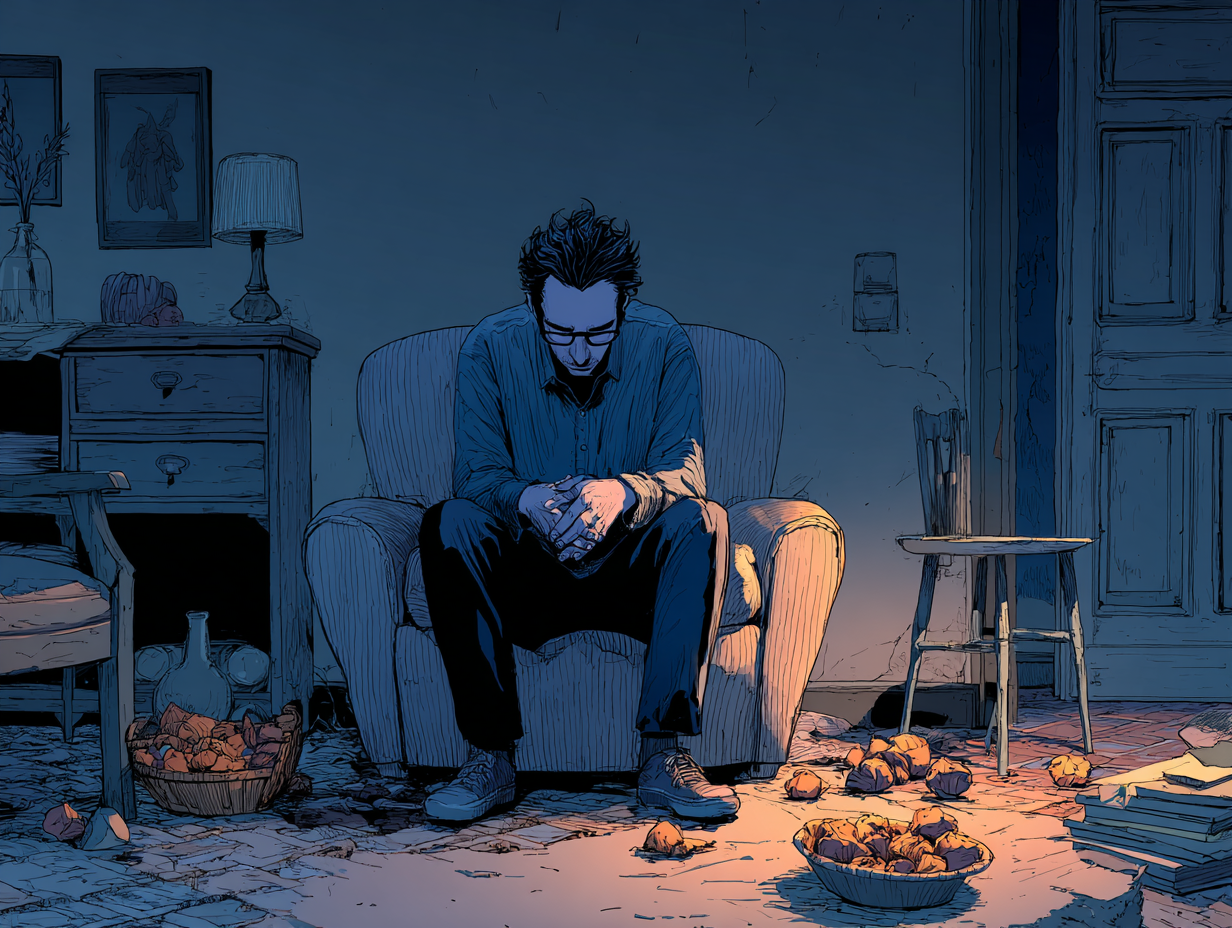
What Is Burnout and Why Does It Drain Your Energy?
Burnout is a state of emotional, physical, and mental exhaustion caused by prolonged stress. It does not happen overnight. Instead, it builds gradually when demands consistently exceed your ability to recover.
In clinical terms, burnout is often described through three core components: emotional exhaustion, detachment or cynicism, and a reduced sense of effectiveness. The World Health Organization classifies burnout as an occupational phenomenon, meaning it is closely tied to chronic workplace stress, though it can also appear in caregiving or high-pressure life situations.
Here’s the key point: burnout is not just “being tired.” It reflects a deeper disruption in how your body regulates stress and energy.
How Chronic Stress Affects Your Body and Brain
When you are under constant pressure, your body activates the stress response system, often referred to as the HPA axis. This system releases cortisol and adrenaline to help you cope with short-term challenges. But when stress becomes chronic, this system stops resetting properly.
Over time, elevated or dysregulated cortisol levels can lead to fatigue, sleep problems, and difficulty concentrating. You might notice brain fog during meetings, forget simple things, or feel mentally “slowed down.” These are not signs of laziness. They are signs that your nervous system is overloaded.
For example, imagine someone working long hours without real breaks for months. At first, they feel productive. Then they begin to feel constantly tired, even after sleep. Eventually, even small tasks feel exhausting. This is how chronic stress gradually turns into burnout.
Why Your Energy Feels “Gone”
Burnout affects energy on multiple levels at once. Physically, your body is depleted from prolonged activation. Mentally, your brain struggles to maintain focus. Emotionally, you may feel disconnected or indifferent toward things that once mattered.
This combination creates a cycle. The less energy you have, the harder it becomes to complete tasks. The more tasks pile up, the more stress increases. Over time, this loop reinforces burnout.
At the same time, motivation drops. Activities that used to feel rewarding no longer provide the same sense of satisfaction. This is partly due to changes in how the brain processes reward and effort under chronic stress.
The Difference Between Normal Stress and Burnout
Stress and burnout are related, but they are not the same. Stress usually involves over-engagement, such as feeling anxious, pressured, or overwhelmed. Burnout, on the other hand, often involves disengagement. People describe feeling numb, detached, or emotionally flat.
You might still care about your responsibilities, but you no longer feel the energy to act on that care. That disconnect can feel confusing and frustrating, especially for people who are used to being driven and capable.
Here’s a simple way to think about it: stress feels like too much, burnout feels like nothing left.
How Do You Know If You’re Experiencing Burnout or Something Else?
Burnout can look similar to other mental health conditions, which is why many people feel unsure about what they are experiencing. The key difference lies in the pattern. Burnout is usually tied to chronic stress and specific environments, while other conditions may affect multiple areas of life regardless of context.
Understanding these differences can help you respond appropriately and decide whether self-help strategies are enough or professional support is needed.
Common Signs of Burnout
Burnout often develops gradually, which makes it easy to overlook early warning signs. Instead of a sudden change, you may notice a slow decline in energy, motivation, and emotional engagement.
Typical signs include:
- persistent fatigue, even after rest;
- difficulty concentrating or making decisions;
- feeling detached from work or responsibilities;
- irritability or reduced patience with others;
- loss of motivation or sense of accomplishment;
- sleep problems or physical tension.
If you recognize several of these patterns over weeks or months, it may indicate burnout rather than temporary stress.
Burnout vs Depression: What’s the Difference?
Burnout and depression can overlap, especially when exhaustion becomes severe. However, they are not the same, and distinguishing between them is important for choosing the right type of support.
| Feature | Burnout | Depression |
|---|---|---|
| Main trigger | chronic stress, often work-related | can occur without clear external cause |
| Emotional pattern | detachment, frustration | persistent sadness, hopelessness |
| Scope | linked to specific roles or situations | affects most areas of life |
| Motivation | low mainly in stressful context | low across nearly all activities |
| Recovery approach | rest, boundaries, stress reduction | often requires therapy, sometimes medication |
Here’s the nuance: burnout can increase the risk of depression if it is not addressed. If feelings of hopelessness, loss of interest in all activities, or significant changes in sleep and appetite appear, it is important to consider professional evaluation.
Why It Can Be Hard to Tell
Many people hesitate to label what they are feeling. You might think, “Maybe I just need a vacation,” or “Everyone feels this way.” In some cases, that’s partly true. Short-term stress is normal. But burnout tends to persist even after rest.
For example, someone might take a week off work, expecting to feel better. Instead, they return and quickly feel the same exhaustion and dread within a day or two. That pattern often signals deeper burnout rather than simple fatigue.
It is also common to minimize symptoms, especially in high-achieving environments where pushing through stress is normalized. Over time, this can delay recovery.
When Uncertainty Means It’s Time to Pause
If you are unsure whether you are experiencing burnout or something else, that uncertainty itself is important. It means your usual coping strategies are no longer working as effectively.
A helpful approach is to step back and ask: Is this affecting my ability to function day to day? Is it getting better, or staying the same? If symptoms persist or worsen, consulting a licensed mental health professional such as a psychologist, counselor, or clinical social worker can provide clarity.
This content is informational and not a diagnosis. A clinician can help assess whether your experience aligns with burnout, depression, anxiety, or a combination of factors, and guide you toward appropriate support.
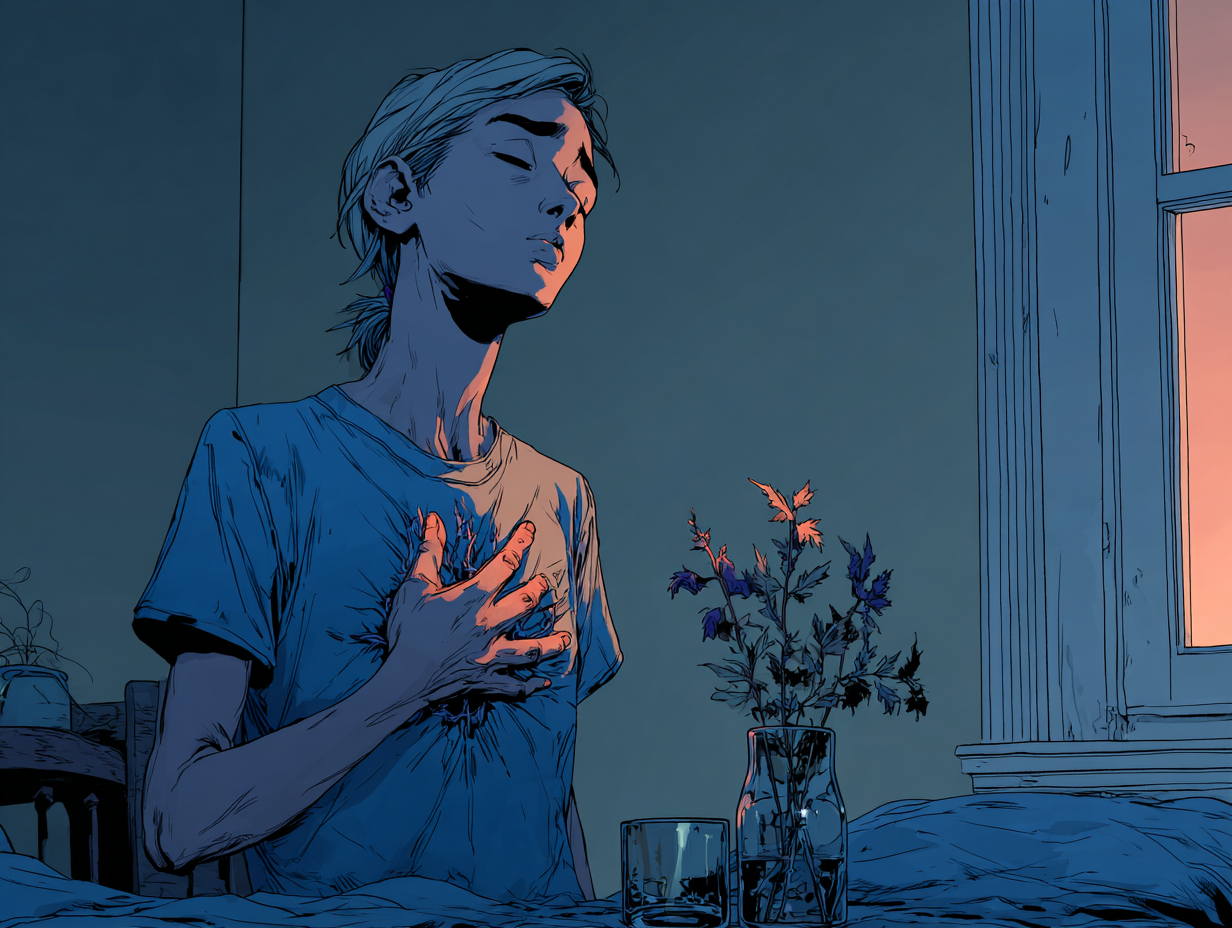
How to Recover From Burnout and Restore Your Energy Step by Step
To recover from burnout, you need more than rest. Recovery requires reducing ongoing stress while actively rebuilding your physical, mental, and emotional energy. The process works best when approached step by step, rather than trying to fix everything at once.
Think of burnout recovery as stabilizing your system first, then gradually restoring capacity. Trying to “push through” usually makes things worse, not better.
Step 1: Reduce the Sources of Ongoing Stress
The first step is not adding new habits, but removing or reducing what is draining you. If the stressor stays the same, your body cannot fully recover.
This might involve setting boundaries at work, delaying nonessential commitments, or renegotiating expectations. Even small adjustments, such as blocking uninterrupted time or limiting after-hours communication, can begin to reduce pressure.
For example, if you are constantly responding to messages late at night, your brain never fully exits “work mode.” Creating a clear cutoff time can help your nervous system reset.
Step 2: Restore Physical Energy First
Burnout recovery often starts with the body. When your physical energy is depleted, mental clarity and motivation are difficult to access.
Focus on the basics that regulate your nervous system:
- consistent sleep schedule, even if sleep quality is not perfect yet;
- regular meals to stabilize energy levels;
- light physical activity, such as walking or stretching;
- short breaks during the day to reduce cognitive overload.
These actions may seem simple, but they directly influence how your brain processes stress. According to research referenced by U.S. health organizations, stabilizing sleep and daily rhythms is one of the most effective ways to reduce chronic stress load.
Step 3: Rebuild Mental Capacity Gradually
When you are burned out, your attention and decision-making ability are often impaired. Instead of forcing productivity, it is more effective to rebuild focus in small increments.
Start with manageable tasks that require limited effort. Completing even a small task can help restore a sense of control and competence. Over time, this builds momentum.
For instance, instead of tackling a full workload immediately, you might begin with one clearly defined task per day. As your capacity improves, you can expand gradually.
This approach aligns with cognitive-behavioral strategies that emphasize achievable steps rather than overwhelming demands.
Step 4: Address Emotional Exhaustion
Burnout is not only physical and mental. It also affects your emotional system. You may feel detached, numb, or less connected to things that used to matter.
Reconnecting emotionally takes time and often starts with low-pressure activities. This could include spending time with supportive people, engaging in hobbies without performance expectations, or simply allowing yourself to rest without guilt.
Here’s the thing: emotional recovery does not happen through forcing positivity. It happens through creating conditions where your system feels safe enough to engage again.
Step 5: Reevaluate Boundaries and Workload
Long-term burnout recovery requires structural change. Without adjusting the conditions that led to burnout, symptoms are likely to return.
This may involve:
- clarifying realistic expectations at work;
- learning to say no to nonessential demands;
- delegating tasks where possible;
- building regular recovery time into your schedule.
For example, someone who consistently takes on extra responsibilities may need to redefine what is sustainable, even if that feels uncomfortable at first.
Step 6: Use Evidence-Based Coping Strategies
Certain psychological approaches can support burnout recovery by changing how you relate to stress.
Commonly used strategies include:
- cognitive restructuring (from CBT), which helps identify and adjust unhelpful thought patterns;
- acceptance and commitment strategies (ACT), focusing on values and flexibility rather than control;
- mindfulness practices, which reduce physiological stress responses;
- structured stress management techniques, such as breathing exercises or grounding.
These techniques are not about eliminating stress completely. They help you respond to it more effectively, reducing its long-term impact.
Why Recovery Takes Time
Burnout develops over weeks or months, sometimes longer. Recovery follows a similar timeline. It is normal to experience gradual improvement rather than immediate change.
You might notice small shifts first, such as slightly better focus or less irritability. These are signs that your system is stabilizing.
If progress feels slow, it does not mean you are failing. It often means your body and mind are recalibrating after prolonged stress.
When Should You Seek Professional Help for Burnout?
Burnout can often be addressed with self-guided changes, but there are times when professional support becomes important. If symptoms persist, intensify, or begin to affect your ability to function, it is a signal that additional help may be needed.
Reaching out does not mean you have failed to cope. It means your system needs more support than self-adjustments alone can provide.
Signs That It May Be Time to Talk to a Professional
Certain patterns suggest that burnout has moved beyond what you can reasonably manage on your own.
- persistent exhaustion that does not improve with rest;
- difficulty concentrating to the point it affects work or daily tasks;
- emotional numbness or strong irritability in relationships;
- sleep problems that continue for weeks;
- feeling detached from reality, purpose, or motivation;
- increasing reliance on unhealthy coping behaviors.
If these signs continue for several weeks or worsen, consulting a licensed mental health professional such as a psychologist, clinical social worker, counselor, or psychiatrist can help clarify what is happening and guide recovery.
What Kind of Support Helps With Burnout
Professional support for burnout focuses on both symptom relief and addressing underlying patterns that contributed to it.
Common approaches include:
- psychotherapy, especially cognitive behavioral therapy, which helps restructure stress-related thinking patterns;
- acceptance and commitment approaches, which focus on values and flexibility rather than constant performance;
- stress management interventions that target both mental and physical responses;
- in some cases, consultation with a psychiatrist if symptoms overlap with anxiety or depression.
Therapy is not about “fixing” you. It provides a structured space to understand what led to burnout and how to build sustainable patterns moving forward.
In the United States, you can access care through insurance networks, primary care referrals, or directories of licensed providers. Options may include in-network providers, out-of-network specialists, or telehealth services depending on your coverage and preferences.
How Therapy Supports Burnout Recovery
Working with a therapist can accelerate burnout recovery by addressing both external stressors and internal responses.
For example, someone experiencing burnout might realize in therapy that they consistently overcommit due to fear of disappointing others. Recognizing this pattern allows them to set healthier boundaries and reduce long-term stress.
Therapists also help identify cognitive patterns such as perfectionism or all-or-nothing thinking, which often contribute to burnout. Adjusting these patterns can significantly reduce pressure and improve resilience.
Important to Know About Confidentiality and Access
In the U.S., therapy is confidential and protected by privacy laws such as HIPAA. Information shared in sessions is not disclosed to employers or others without your consent, except in specific situations involving risk of harm.
If cost is a concern, options may include sliding-scale fees, community clinics, or employer-sponsored mental health programs. Many insurance plans cover outpatient mental health services, though copays and out-of-network costs vary.
Crisis Situations and Immediate Support
If burnout escalates into severe distress, immediate support is critical. This includes situations where you feel hopeless, overwhelmed to the point of not functioning, or have thoughts of harming yourself.
In the United States, you can call or text 988 to reach the Suicide and Crisis Lifeline. This service is available 24 hours a day and connects you with trained counselors.
If you or someone else is in immediate danger, call 911.
Seeking help early can prevent burnout from progressing into more serious mental health conditions. Support is available, and reaching out is a practical and responsible step.
How Long Does It Take to Recover From Burnout and Prevent It From Returning
Burnout recovery does not follow a fixed timeline. For some people, improvement begins within a few weeks after reducing stress. For others, especially after prolonged exhaustion, recovery can take several months. The key factor is not time alone, but whether the underlying causes are addressed.
Trying to recover from burnout without changing the conditions that caused it often leads to temporary relief followed by relapse.
What Influences Recovery Time
Several factors determine how quickly your energy and motivation return.
- duration of burnout, longer exposure to stress usually means longer recovery;
- intensity of symptoms, including sleep disruption and emotional exhaustion;
- level of ongoing stress, whether demands have been reduced or remain high;
- access to support, including social support and professional help;
- personal coping patterns, such as perfectionism or difficulty setting boundaries.
For example, someone who addresses workload and improves sleep may notice steady improvement within weeks. In contrast, someone who remains in the same high-pressure environment without support may continue to feel stuck.
Early Signs That Recovery Is Working
Burnout recovery often begins with subtle improvements rather than dramatic change.
You may notice:
- slightly improved concentration;
- more stable mood throughout the day;
- less emotional reactivity;
- small increases in motivation;
- better sleep consistency.
These shifts indicate that your nervous system is stabilizing. Even if you are not fully recovered, these early signs matter.
How to Prevent Burnout From Returning
Preventing burnout is not about eliminating stress entirely. It is about creating a sustainable balance between effort and recovery.
Key strategies include:
- maintaining clear boundaries between work and personal time;
- building regular recovery periods into your schedule;
- monitoring early warning signs such as fatigue or irritability;
- adjusting workload before exhaustion builds up again;
- continuing to use coping strategies that support regulation.
For instance, scheduling regular downtime each week can help prevent the gradual accumulation of stress that leads to burnout.
Why Burnout Can Come Back
Burnout can return if the same patterns and conditions remain unchanged. This might include consistently overworking, avoiding rest, or relying on short-term coping strategies instead of structural changes.
Here’s the thing: recovery is not just about getting back to your previous level of functioning. It is about building a more sustainable way of working and living.
Without that shift, it is easy to fall back into the same cycle, especially in environments that reward overextension.
Long-Term Recovery Mindset
Recovering from burnout often requires a shift in how you relate to productivity, rest, and expectations. Many people benefit from redefining what “enough” looks like.
This might mean accepting that constant high performance is not sustainable, or that rest is not a reward but a necessary part of functioning.
If you continue to feel stuck despite making changes, working with a licensed professional can help identify patterns that are harder to see on your own.
References
1. World Health Organization. Burn-out an Occupational Phenomenon. 2019.
2. American Psychological Association. Burnout and Stress Are Everywhere. 2022.
3. National Institute of Mental Health. Stress. 2023.
4. Mayo Clinic. Job Burnout: How to Spot It and Take Action. 2023.
5. Substance Abuse and Mental Health Services Administration. Addressing Burnout in the Behavioral Health Workforce. 2022.
Conclusion
Burnout can leave you feeling drained, disconnected, and unsure how to move forward. The most important step is recognizing that this state is not permanent. Recovery begins with reducing ongoing stress, restoring physical energy, and gradually rebuilding mental and emotional capacity.
Small, consistent changes often matter more than drastic ones. Setting boundaries, improving daily rhythms, and addressing underlying patterns can help restore balance over time.
If symptoms persist or begin to affect your daily functioning, reaching out to a licensed mental health professional can provide clarity and structured support. You do not have to navigate burnout alone.
If you are in the United States and experiencing severe distress, you can call or text 988 to reach the Suicide and Crisis Lifeline. If you are in immediate danger, call 911.
Frequently Asked Questions
Can you recover from burnout without quitting your job?
Yes, many people recover from burnout while staying in the same job. The key is reducing stressors, setting boundaries, and restoring energy. In some cases, adjustments to workload or expectations may be necessary.
How long does it take to recover from burnout?
Recovery time varies. Some people notice improvement within a few weeks, while others may need several months. The timeline depends on how long burnout has been present and whether underlying stressors are addressed.
Is burnout the same as depression?
No. Burnout is typically linked to chronic stress in specific contexts like work, while depression affects multiple areas of life. However, burnout can increase the risk of depression if left unaddressed.
What is the fastest way to restore energy during burnout?
There is no instant fix, but improving sleep, reducing stress, and taking regular breaks can help stabilize energy. Gradual recovery is more effective than trying to push through exhaustion.
When should I see a therapist for burnout?
If burnout symptoms persist for weeks, worsen, or interfere with your ability to function, it is a good idea to consult a licensed mental health professional. Therapy can help address both symptoms and underlying causes.
Can burnout come back after recovery?
Yes, burnout can return if the same stress patterns continue. Preventing relapse involves maintaining boundaries, monitoring early signs, and building sustainable routines.