Mental Breakdown: What It Looks Like, Signs, and How to Get Help
Feeling like everything is too much at once can be deeply unsettling. A mental breakdown is not a formal diagnosis, but it’s a real experience of overwhelming stress that can affect how you think, feel, and function. In many cases, it happens when emotional pressure builds up faster than your mind and body can process it.
If you’re here, you’re probably trying to understand what’s happening and whether it’s serious. In this guide, you’ll learn what a mental breakdown can look like, the most common signs, what’s going on in your body, and when it may be time to reach out for professional support.

What Is a Mental Breakdown and What Does It Really Mean?
A mental breakdown usually describes a period when stress becomes so intense that a person can no longer cope in their usual way. It’s not a diagnosis in the DSM-5-TR, but rather a common term people use to explain a loss of emotional or psychological stability.
In practical terms, a mental breakdown is your mind and body signaling overload. When stress, pressure, or emotional strain builds up over time, your usual coping strategies may stop working. That’s when functioning at work, in relationships, or even in daily routines can start to feel impossible.
Here’s the key point: this experience is more common than many people think. According to the American Psychological Association, chronic stress can significantly affect concentration, mood, and physical health. A breakdown often reflects accumulated strain, not personal weakness.
For example, imagine someone juggling long work hours, financial pressure, and poor sleep for months. At first, they manage. Over time, they begin to feel constantly on edge. Eventually, even small tasks feel overwhelming, and they may suddenly break down in tears or feel unable to get out of bed. That moment is often what people describe as a mental breakdown.
At the same time, it’s important to set a boundary around this idea. While a mental breakdown itself isn’t a clinical condition, it can overlap with diagnosable disorders such as depression, anxiety disorders, or trauma-related conditions. That’s why understanding the signs and knowing when to seek help matters.
If you’ve ever thought, “Why can’t I handle things like I used to?”, you’re not alone. A mental breakdown often marks a point where your system needs support, rest, and sometimes professional guidance to recover.
What Are the Signs of a Mental Breakdown?
The signs of a mental breakdown can vary, but they usually involve a noticeable shift in how you feel, think, and function day to day. Most people experience a combination of emotional, physical, and behavioral symptoms rather than just one.
In simple terms, your system is overwhelmed. When stress exceeds your capacity to cope, your mind and body begin to show it in very real ways.
Emotional signs
Emotionally, a mental breakdown often shows up as intense or unstable feelings that feel hard to control.
- persistent sadness or hopelessness;
- sudden crying spells or emotional outbursts;
- irritability or anger over small things;
- feeling numb or disconnected from others;
For instance, someone might find themselves crying after a minor inconvenience or feeling completely detached during conversations that used to feel meaningful.
Cognitive signs
Stress overload also affects how you think and process information.
- difficulty concentrating or making decisions;
- racing thoughts or mental fog;
- negative thinking loops or catastrophic thoughts;
- feeling confused or mentally “stuck”;
You might sit down to complete a simple task and realize you can’t focus for more than a few seconds. Even routine decisions can start to feel overwhelming.
Physical signs
Your body plays a major role in a mental breakdown, often reacting to stress before you fully understand what’s happening.
- extreme fatigue or low energy;
- sleep problems, including insomnia or oversleeping;
- headaches, muscle tension, or stomach discomfort;
- changes in appetite or weight;
According to the National Institute of Mental Health, prolonged stress can disrupt sleep, immune function, and hormone regulation, which explains why these physical symptoms often appear alongside emotional distress.
Behavioral signs
Changes in behavior are often the most visible signs to others.
- withdrawing from friends, family, or work;
- avoiding responsibilities or daily tasks;
- increased use of alcohol, nicotine, or other coping habits;
- difficulty maintaining routines or personal care;
For example, a person who was previously reliable at work might start missing deadlines or calling in sick more often without a clear physical illness.
Here’s the important distinction: experiencing a few of these symptoms occasionally is normal under stress. But when multiple signs persist, intensify, or interfere with daily life, it may indicate a mental breakdown rather than temporary stress.
Why a Mental Breakdown Happens: Stress, Burnout, and Overload
A mental breakdown usually doesn’t come out of nowhere. In most cases, it develops when stress builds up over time and the body’s coping systems become overwhelmed.
At its core, this is a stress response problem. Your brain is trying to protect you, but the system gets overloaded.
How stress builds up over time
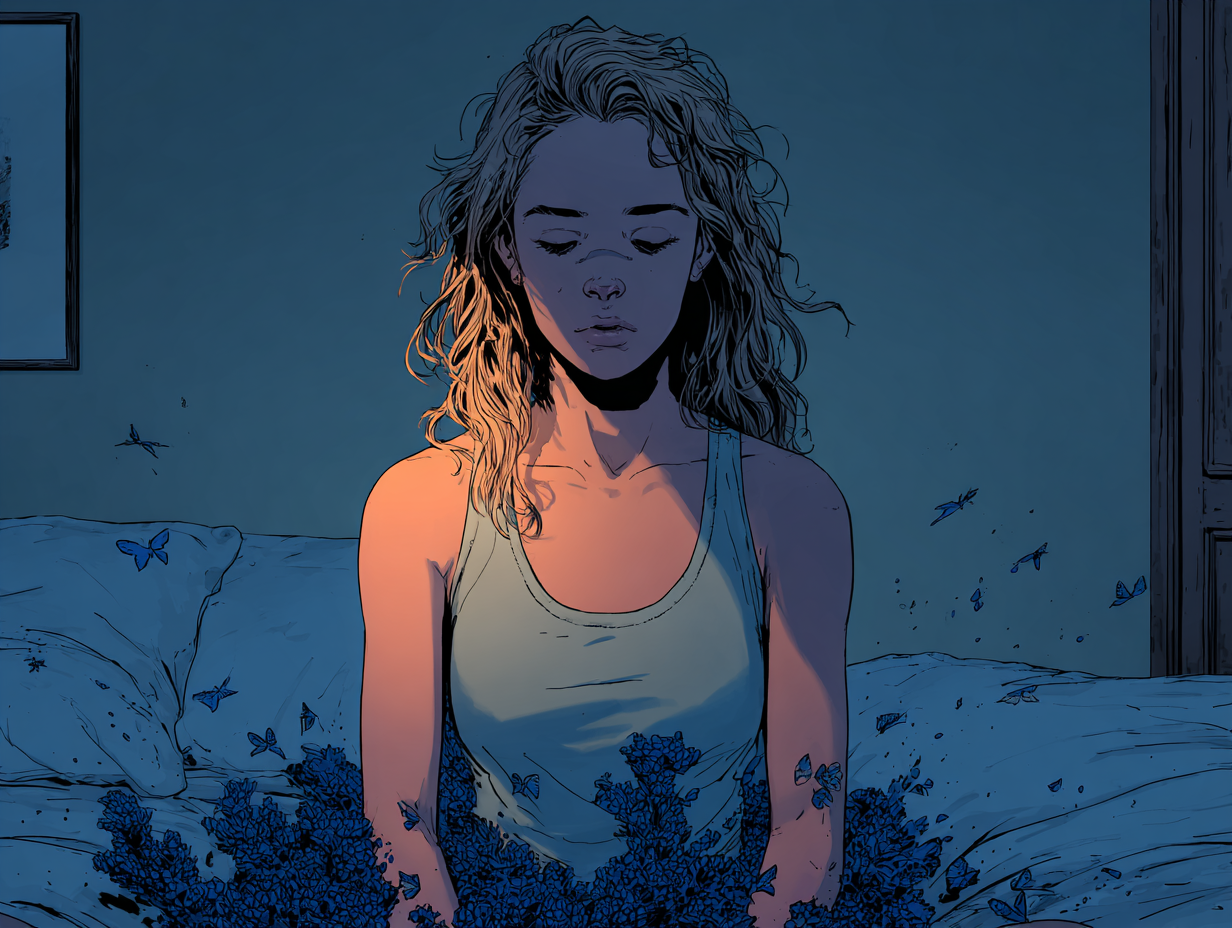
Your body is designed to handle short bursts of stress. When something challenging happens, your brain activates the stress response system, often called the HPA axis. This leads to the release of hormones like cortisol and adrenaline, helping you stay alert and focused.
That system works well in the short term. But when stress becomes constant, it doesn’t turn off properly. Over time, this can lead to exhaustion, emotional instability, and reduced ability to cope with even small challenges.
For example, someone dealing with ongoing work pressure, lack of sleep, and personal stress might feel “on edge” all the time. Eventually, their system reaches a limit, and that’s when a mental breakdown can occur.
Common triggers of a mental breakdown
Different situations can push someone toward overload, especially when multiple stressors happen at once.
- chronic work stress or burnout;
- major life changes such as divorce or relocation;
- financial pressure or job instability;
- trauma or unresolved emotional experiences;
- long-term sleep deprivation or physical exhaustion;
Sometimes, there isn’t a single clear cause. Instead, it’s the accumulation of smaller stressors that gradually wears down resilience.
The role of burnout and emotional exhaustion
Burnout is one of the most common pathways to a mental breakdown. It often develops in high-pressure environments where expectations are constant and recovery time is limited.
According to the American Psychological Association, prolonged stress can reduce emotional regulation and increase feelings of detachment. This explains why people experiencing burnout may feel both overwhelmed and strangely numb at the same time.
Picture someone who has been working long hours for months without a real break. At first, they push through fatigue. Then they begin to feel drained, irritable, and disconnected. Eventually, even basic tasks feel impossible. That tipping point is often experienced as a mental breakdown.
Why your brain reacts this way
When stress is prolonged, brain regions like the amygdala become more reactive, while areas responsible for decision-making and self-control, such as the prefrontal cortex, become less effective. This imbalance can make emotions feel stronger and harder to manage.
In simple terms, your emotional system speeds up while your regulation system slows down. That’s why reactions can feel intense, sudden, and difficult to control during a mental breakdown.
Here’s the reassuring part: this is a biological response, not a personal failure. When the system is supported and given time to recover, it can regain balance.
What Should You Do During a Mental Breakdown?
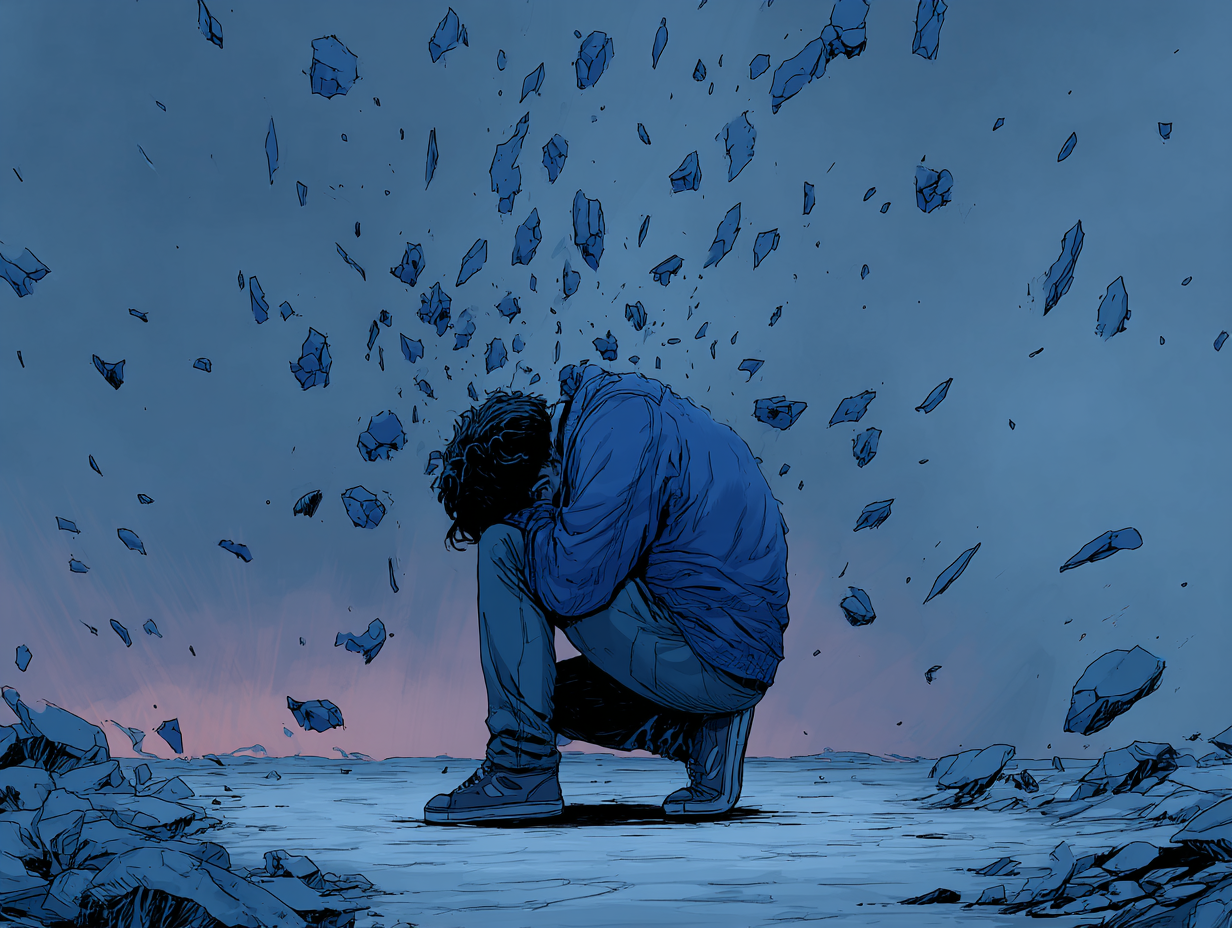
If you feel like you’re having a mental breakdown, the priority is simple: stabilize your body and reduce immediate overwhelm. You don’t need to solve everything at once. You need to get through this moment safely.
Think of this as first aid for your nervous system. Small, practical steps can help bring your stress response down enough to regain control.
1. Pause and reduce stimulation
When your system is overloaded, more input makes things worse. Step away from noise, screens, or stressful conversations if possible.
For example, if you’re at work and feel overwhelmed, stepping outside for a few minutes or sitting in a quiet space can help your brain begin to reset.
2. Use grounding techniques
Grounding helps bring your attention back to the present moment, which can calm intense emotional reactions.
- name 5 things you can see, 4 you can touch, 3 you can hear;
- hold something cold, like ice or a chilled drink;
- focus on slow, steady breathing;
These techniques work by shifting your brain away from panic signals and back toward sensory awareness.
3. Slow your breathing
Breathing is one of the fastest ways to influence your stress response. When you slow your breath, you signal safety to your nervous system.
Try this simple pattern: inhale for 4 seconds, exhale for 6 seconds, and repeat for a few minutes. Longer exhales help activate the body’s calming response.
4. Lower expectations temporarily
During a mental breakdown, your capacity is reduced. Trying to “push through” often makes things worse.
Instead, focus only on essential tasks. It’s okay if productivity drops. Recovery starts with reducing pressure, not increasing it.
5. Reach out to someone you trust
Isolation can intensify distress. Even a short conversation with someone supportive can help you feel more grounded.
This could be a friend, family member, or colleague. You don’t need to explain everything. Simply saying, “I’m overwhelmed and could use support,” is enough.
6. Consider professional support
If symptoms feel intense or keep returning, connecting with a licensed mental health professional can provide structure and relief. In the U.S., this might be a psychologist, counselor, clinical social worker, or psychiatrist.
Therapies such as CBT or stress management approaches can help you understand triggers and rebuild coping capacity over time.
Important to know: If your distress includes thoughts of harming yourself or feeling unsafe, immediate support is critical. Call or text 988 (Suicide & Crisis Lifeline). If you are in immediate danger, call 911.
A mental breakdown can feel overwhelming, but it is also a signal. With the right support and small steps, your system can begin to stabilize and recover.
When to Seek Help for a Mental Breakdown and What Treatment Looks Like
A mental breakdown can sometimes pass with rest and support, but there are situations where professional help is important. Knowing when to reach out can make recovery faster and safer.
As a general rule, if symptoms persist, intensify, or interfere with daily life, it’s time to talk to a licensed mental health professional.
Signs you should seek professional help
Some warning signs suggest that stress has moved beyond what you can manage on your own.
- you can’t perform basic daily tasks like working, eating, or sleeping;
- emotional distress lasts for weeks without improvement;
- you feel detached from reality or unusually confused;
- you rely heavily on alcohol or other substances to cope;
- you experience thoughts of self-harm or hopelessness;
If any of these apply, reaching out is not just helpful, it’s necessary for your safety and well-being.
What kind of professionals can help
In the United States, several types of licensed providers support people experiencing a mental breakdown:
- psychologists, who provide therapy and psychological assessment;
- licensed clinical social workers or counselors, who offer talk therapy and support;
- psychiatrists, who can evaluate and prescribe medication if needed;
If you’re unsure where to start, a primary care provider can also guide you to appropriate mental health services.
What treatment usually involves
Treatment depends on what’s contributing to the mental breakdown, but it often includes structured support to restore stability.
Common approaches include:
- Cognitive Behavioral Therapy (CBT), which helps identify and change unhelpful thinking patterns;
- stress management and coping skills training;
- supportive therapy to process overwhelming experiences;
- medication, when appropriate, discussed with a psychiatrist or medical provider;
According to the National Institute of Mental Health, early support can significantly improve outcomes for people experiencing intense stress or emotional crises.
For example, someone experiencing persistent overwhelm at work may begin therapy to identify stress triggers, rebuild boundaries, and develop healthier coping strategies. Over time, functioning improves and the sense of control returns.
How to access help
Accessing care in the U.S. can happen through several pathways:
- insurance provider directories for in-network therapists;
- online platforms and telehealth services;
- community mental health clinics;
- referrals from doctors or trusted professionals;
Even if cost or availability feels like a barrier, there are often sliding-scale options or low-cost services available locally.
Important to know: If your situation feels urgent, you don’t have to wait for an appointment. Call or text 988 to reach the Suicide & Crisis Lifeline. If you are in immediate danger, call 911. Support is available 24/7.
Seeking help is not a last resort. It’s a practical step toward regaining stability and protecting your mental health.
Mental Breakdown vs Depression or Anxiety: What’s the Difference?
A mental breakdown can feel similar to depression or anxiety, but they are not the same thing. The key difference is that a mental breakdown is a general state of overwhelm, while depression and anxiety are defined clinical conditions in the DSM-5-TR.
Understanding this distinction can help reduce fear and clarify what kind of support might be most helpful.
Key differences at a glance
| Aspect | Mental Breakdown | Depression | Anxiety Disorders |
|---|---|---|---|
| Definition | stress overload state | clinical mood disorder | clinical fear-based disorders |
| Duration | often short-term | weeks to months | persistent or recurring |
| Main experience | overwhelm, inability to cope | low mood, loss of interest | excessive worry or fear |
| Diagnosis | not a formal diagnosis | DSM-5-TR diagnosis | DSM-5-TR diagnosis |
| Treatment | support, stress recovery | therapy, medication | therapy, coping strategies |
Here’s where it can get confusing. A mental breakdown can include symptoms that look like depression or anxiety. For example, someone may feel hopeless, exhausted, and unable to function, which overlaps with depression. Others may experience panic, racing thoughts, and physical tension, which resemble anxiety disorders.
In some cases, a mental breakdown may actually be an early signal of an underlying condition. In others, it may be a temporary response to extreme stress that improves with rest and support.
The label itself matters less than what’s happening underneath. What’s important is whether symptoms persist and how much they affect your ability to function.
If distress continues for weeks, worsens over time, or significantly disrupts daily life, a licensed clinician can help determine whether depression, anxiety, or another condition is involved. This step is about clarity, not judgment.
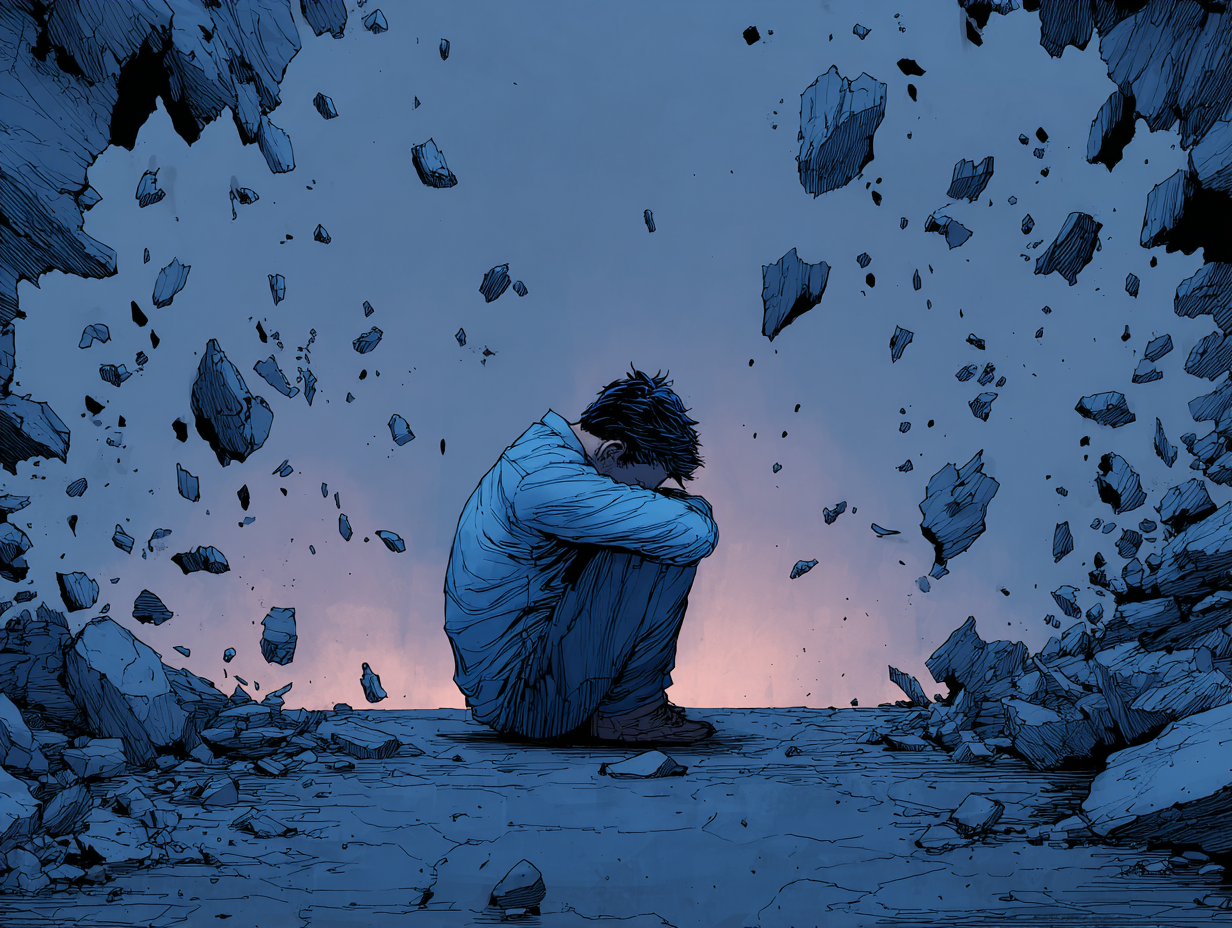
For example, someone who initially experiences a mental breakdown after a major life change may recover within a few weeks. But if low mood, sleep problems, and loss of motivation continue, a clinician might evaluate for depression and recommend structured treatment.
The reassuring part is that all of these experiences are treatable. Whether it’s stress overload or a diagnosable condition, support and recovery are possible with the right approach.
References
1. National Institute of Mental Health. Stress and Your Health. 2023.
2. American Psychological Association. Stress Effects on the Body. 2022.
3. Substance Abuse and Mental Health Services Administration (SAMHSA). National Helpline. 2023.
4. Mayo Clinic. Stress Symptoms and Causes. 2023.
5. Cleveland Clinic. Nervous Breakdown Overview. 2022.
Conclusions
A mental breakdown can feel overwhelming, but it is often a signal rather than an endpoint. It reflects a system under strain that needs attention, rest, and support. Understanding the signs early can help you respond before the situation becomes more serious.
Recovery is possible. With the right combination of self-care, support, and professional guidance when needed, most people regain stability and a sense of control. If you’re struggling, you don’t have to figure it out alone. Reaching out is a practical and responsible step toward feeling better.
If you ever feel unsafe or experience thoughts of self-harm, call or text 988 (Suicide & Crisis Lifeline). If you are in immediate danger, call 911.
Frequently Asked Questions
Is a mental breakdown a real medical condition?
A mental breakdown is not a formal diagnosis in the DSM-5-TR. It’s a commonly used term to describe a period of overwhelming stress that affects your ability to function. A licensed clinician can help determine whether an underlying condition is present.
How long does a mental breakdown last?
The duration varies depending on the cause and level of support. Some people recover within days or weeks, while others may need longer if stress or underlying mental health conditions persist.
Can you recover from a mental breakdown?
Yes. Most people recover with rest, support, and appropriate care. Therapy and coping strategies can help rebuild resilience and prevent future episodes.
What causes a mental breakdown?
A mental breakdown is usually caused by prolonged stress, major life changes, burnout, or unresolved emotional strain. It often results from multiple stressors building up over time rather than a single event.
Should I see a therapist after a mental breakdown?
If symptoms persist, interfere with daily life, or feel overwhelming, it’s a good idea to consult a licensed mental health professional. Therapy can help identify causes and provide structured support for recovery.
Is a mental breakdown the same as anxiety or depression?
No. A mental breakdown is a general term for emotional overload, while anxiety and depression are clinical conditions with defined diagnostic criteria. However, they can overlap, and a clinician can help clarify the difference.